

WeVote

Bill

Bill

AB 688

Relating to: providing certain municipalities with additional supplemental county and municipal aid and establishing a Shared Revenue Advisory Council. (FE)

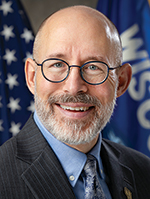
2025-2026 Regular Session Introduced by Scott Allen and 31 co-sponsors

Provides targeted extra aid to Wisconsin municipalities over 50,000 and creates a decennial Shared Revenue Advisory Council to review formulas and propose equitable updates.

Representative Hong added as a coauthor
0
WeVote Research Nonpartisan
Bill Summary · AB 688

AB 688 — Shared Revenue / Supplemental Aid (2025) — Summary

Status: Enacted (Chapter 437, Statutes of 2025). Governor approved October 7, 2025.
Introduced: November 26, 2025 (LRB text); coauthors/cosponsors listed. Representative Hong later added as coauthor.

Main purpose

AB 688 provides targeted additional supplemental county and municipal aid to larger municipalities and creates a temporary, decennial Shared Revenue Advisory Council in the Department of Revenue to review and recommend improvements to shared‑revenue formulas.

Key provisions

  • Additional supplemental aid

    • Beginning in fiscal year 2026–27, cities, villages, and towns with a 2022 population greater than 50,000 receive a proportional share of a new supplemental county and municipal aid pool.
    • Initial appropriation: $16,257,500 for FY 2026–27.
    • In subsequent fiscal years the pool is increased by the percentage change in revenues from Wisconsin sales and use taxes (ss. 77.52 and 77.53) from the prior fiscal year.
    • Expenditures of these additional supplemental aid payments are excluded from consideration when determining eligibility for the state’s expenditure restraint incentive program.
  • Shared Revenue Advisory Council (temporary, decennial)

    • Created in the Department of Revenue and must be formed no later than August 15 of the first year following each federal decennial census.
    • Membership (8): two senators (majority & minority leader appointees), two assembly members (majority & minority leader appointees), one representative each from the League of Wisconsin Municipalities, Wisconsin Towns Association, and Wisconsin Counties Association (designated by respective presidents), and the Secretary of Revenue (or designee) as a nonvoting chair.
    • Duties:
    • Gather population and equalized value data; study revenue and expenditure variations by population categories.
    • Review and evaluate existing shared‑revenue distribution formulas (including statutes governing county and municipal aid and supplemental aid).
    • Recommend a distribution formula that accounts for population and property‑value changes, includes a component to aid municipalities experiencing substantial decreases in property values, and improves equity relative to prior formulas (2001, 2026, and later formulas).
    • May not recommend changes that would reduce the total amount of aid received by any county or municipality.
    • Request the Legislative Reference Bureau to draft legislation based on the council’s recommendations and the Legislative Fiscal Bureau to prepare a fiscal analysis.
    • The council terminates after it fulfills its reporting requirements.

Who is affected

  • Primary beneficiaries: Wisconsin cities, villages, and towns with population >50,000 in 2022 (share of the $16.2575M pool, increasing over time).
  • State agencies: Department of Revenue (hosts and supports the council); Legislative Reference Bureau and Legislative Fiscal Bureau (to draft legislation and fiscal analyses).
  • Local fiscal programs: municipal budgeting and expenditure‑restraint calculations (additional aid excluded from restraint eligibility determination).

Fiscal & procedural notes

  • Initial fiscal impact: $16,257,500 in FY 2026–27, with annual adjustments tied to sales/use tax growth.
  • The bill modifies statutes to implement the new aid account and council authority (creates ss. 15.437, 79.03, and adds an account under 25.491(9)(c)).
  • The council is convened decennially (after each federal census) and produces recommendations and draft legislation for the Legislature to consider.

Compiled from official sources — confirm details with the bill’s official record.

Sign in to ask a question.