

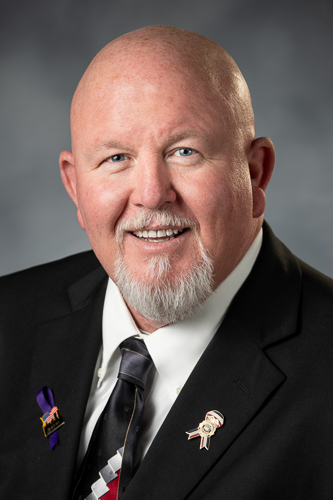
Relating to involuntary commitment process pilot program.
West Virginia pilot program reforms involuntary psychiatric commitment procedures to improve crisis response while testing procedural changes before statewide adoption.
HB 5213 establishes a pilot program to reform West Virginia's involuntary commitment process for individuals experiencing mental health or substance use crises. The bill creates a structured framework for testing new procedures, likely aimed at improving how the state handles emergency psychiatric holds and commitment decisions. The specific mechanics of the pilot—such as duration, participating counties, and procedural changes—would be defined within the legislation itself.
Involuntary commitment directly affects vulnerable individuals' civil liberties and access to mental health care during crises. How states manage this process impacts both patient outcomes and public safety. A pilot program allows West Virginia to evaluate potential improvements before statewide implementation, potentially reducing unnecessary hospitalizations, improving treatment quality, or streamlining emergency response procedures.
Compiled from official sources — confirm details with the bill’s official record.
Sign in to ask a question.