

WeVote

Bill

Bill

SB 1050

Relating to energy savings performance contracts for local governments; creating criminal offenses; authorizing a fee.

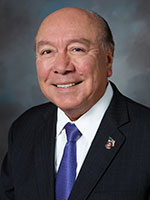
89th Legislature (2025) Introduced by Chuy Hinojosa

SB 1050 permits Texas local governments to finance energy efficiency upgrades through performance contracts repaid by utility savings, while establishing criminal penalties for violations and administrative fees.

Referred to Business & Commerce
0
WeVote Research Nonpartisan
Bill Summary · SB 1050

Legislative bill overview

SB 1050 authorizes Texas local governments to enter into energy savings performance contracts (ESPCs), which allow them to fund energy efficiency improvements through guaranteed savings rather than upfront capital expenditures. The bill creates new criminal offenses related to contract violations and establishes a fee structure for administering these agreements.

Why is this important

Energy savings performance contracts enable municipalities and counties to upgrade aging infrastructure, reduce operational costs, and meet sustainability goals without immediate budget impacts—savings from reduced utility bills repay the contractor over time. This mechanism is particularly valuable for under-resourced local governments that lack capital for energy modernization but face pressure to reduce long-term expenses.

Potential points of contention

  • Performance guarantee enforcement: The bill creates criminal penalties for contract violations, raising questions about whether criminal liability is appropriate for contractual disputes and how aggressively such charges would be pursued
  • Fee burden and transparency: Authorization of unspecified fees to administer these contracts could create hidden costs for local governments; the bill's fee structure details are unclear
  • Accountability mechanisms: Vague language around contract terms could leave local governments vulnerable if projected energy savings don't materialize, shifting risk from contractors to municipalities

Compiled from official sources — confirm details with the bill’s official record.

Sign in to ask a question.