

WeVote

Bill

Bill

HB 1984

Relating to creating the criminal offense of misrepresenting medical history to obtain unnecessary medical treatment for a child, elderly individual, or disabled individual.

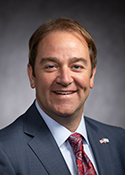
89th Legislature (2025) Introduced by John McQueeney

Texas bill criminalizes deliberately misrepresenting medical history to obtain unnecessary treatment for vulnerable children, elderly, or disabled persons.

Referred to Criminal Jurisprudence
0
WeVote Research Nonpartisan
Bill Summary · HB 1984

Legislative bill overview

HB 1984 would create a new criminal offense in Texas for intentionally misrepresenting a person's medical history to obtain unnecessary medical treatment for a child, elderly individual, or disabled individual. The bill targets a specific form of medical abuse sometimes referred to as Munchausen syndrome by proxy or factitious disorder imposed on another. This legislation would provide prosecutors with a dedicated criminal statute to address these fraudulent medical practices.

Why is this important

Medical fraud and abuse targeting vulnerable populations—particularly children and elderly or disabled persons—can result in unnecessary surgeries, medications, hospitalizations, and psychological harm. Creating a specific criminal offense allows law enforcement and prosecutors to address this behavior with dedicated legal tools rather than relying on general fraud or abuse statutes. The bill recognizes that such deception often goes undetected for extended periods, causing cumulative damage to victims and wasting healthcare resources.

Potential points of contention

  • Definition clarity: The bill's language regarding what constitutes "misrepresenting medical history" and "unnecessary medical treatment" may require precise legal definition to avoid prosecuting legitimate medical disputes or cases where caregivers act with genuine but mistaken medical beliefs.
  • Burden of proof: Determining criminal intent versus negligence or poor judgment in medical reporting could be legally complex, and prosecutors may face challenges proving intentional deception beyond reasonable doubt.
  • Scope and application: The bill specifically protects children, elderly, and disabled individuals; questions may arise about whether protection should extend to other vulnerable populations or how "disabled" is defined.

Compiled from official sources — confirm details with the bill’s official record.

Sign in to ask a question.