

WeVote

Bill

Bill

HB 2723

Relating to backup power sources.

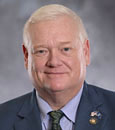
2025 Regular Session Introduced by Paul Evans

HB 2723 establishes backup power requirements for facilities, likely affecting early childhood services and essential operations, with fiscal oversight by Ways and Means Committee.

In committee upon adjournment.
0
WeVote Research Nonpartisan
Bill Summary · HB 2723

Legislative bill overview

HB 2723 relates to backup power sources but lacks publicly available detailed information about specific provisions. Based on the referral pattern to Early Childhood and Human Services followed by Ways and Means, the bill likely addresses backup power requirements for facilities serving vulnerable populations or essential services, with fiscal implications requiring budget committee review.

Why is this important

Backup power legislation affects operational resilience of critical facilities—whether schools, healthcare providers, or other services—during outages. The bill's passage through early childhood committees suggests it may impact power reliability for childcare or early education facilities, which have regulatory obligations to maintain safe environments during power disruptions.

Potential points of contention

  • Compliance costs: Mandating backup power systems increases operational expenses for facilities; debate likely centers on who bears these costs (facilities, government, ratepayers) and implementation timelines
  • Technical specifications: Disagreement may arise over what constitutes adequate backup power (generators, battery systems, fuel requirements) and whether standards are realistic for smaller facilities
  • Scope and exemptions: Questions about which facilities are covered, whether exemptions exist for rural areas or smaller operations, and whether the mandate applies retroactively

Compiled from official sources — confirm details with the bill’s official record.

Sign in to ask a question.