

WeVote

Bill

Bill

HB 4238

Relating to authorizing the Division of Financial Institutions to promulgate a legislative rule relating to the installation, operation, and sharing of customer bank communication terminals and the utilization of nonexclusive access interchange system.

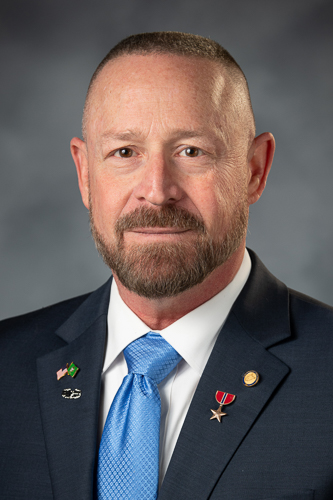
2026 Regular Session Introduced by Doug Smith

Authorizes West Virginia financial regulators to create rules governing ATM networks and shared banking terminal systems, delegating banking infrastructure standards to agency oversight.

To House Finance
0
WeVote Research Nonpartisan
Bill Summary · HB 4238

Legislative bill overview

HB 4238 authorizes West Virginia's Division of Financial Institutions to create regulatory rules governing the installation, operation, and sharing of customer bank communication terminals (ATMs) and nonexclusive access interchange systems. The bill essentially delegates rulemaking authority to a state agency rather than establishing requirements through statute, allowing for more flexible regulatory updates as technology evolves.

Why is this important

ATM networks and shared banking terminals affect consumer access to financial services, particularly in rural areas where banking infrastructure is limited. The regulatory framework established through these rules can influence fees consumers pay, geographic coverage of ATM networks, and whether smaller banks can compete fairly in electronic banking services.

Potential points of contention

  • Scope of delegated authority: The bill grants broad rulemaking power without specifying guardrails, which could allow expansive regulations beyond what legislators intended
  • Consumer protection balance: Rules could either enhance consumer access through competition or reduce it if they favor larger financial institutions over smaller regional banks
  • Transparency and input: Legislative rules may receive less public scrutiny than bills; stakeholders might have limited opportunity to influence regulatory development

Compiled from official sources — confirm details with the bill’s official record.

Sign in to ask a question.