

WeVote

Bill

Bill

HB 4281

Relating to authorizing the Board of Barbers and Cosmetologists to promulgate a legislative rule relating to qualifications, training, examination, and certification of instructors in barbering, hair styling, nail technology, aesthetics, waxing, and cosmetology.

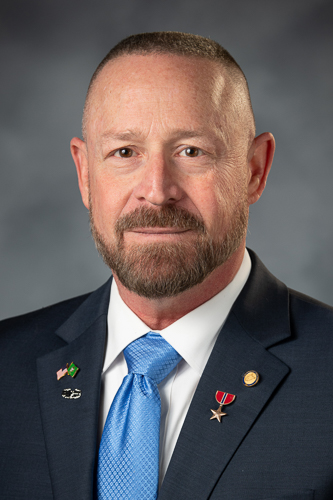
2026 Regular Session Introduced by Doug Smith

HB 4281 lets the West Virginia Board set rules defining qualifications, training, exams, and certification processes for instructors across barbering, styling, nails, aesthetics, w

To House Judiciary
0
WeVote Research Nonpartisan
Bill Summary · HB 4281

Overview

HB 4281 (West Virginia, 2026) authorizes the Board of Barbers and Cosmetologists to promulgate a legislative rule governing qualifications, training, examination, and certification of instructors in barbering, hair styling, nail technology, aesthetics, waxing, and cosmetology. The bill focuses on establishing or updating the standards and processes for instructor credentials within the regulated professions overseen by the board.

Purpose and Intent

  • To enable the Board of Barbers and Cosmetologists to create and implement a legislative rule that sets the requirements for individuals who teach and certify others in barbering, hair styling, nail technology, aesthetics, waxing, and cosmetology.
  • Aims to ensure consistent, high-quality education and credentialing for instructors, thereby improving the quality and reliability of licensed practitioners in these fields.

Key Provisions

  • Authorization for Rulemaking: The board is empowered to promulgate a legislative rule addressing instructor qualifications and related processes.
  • Scope of Instructors Covered: Instructors across multiple related disciplines—barbering, hair styling, nail technology, aesthetics, waxing, and cosmetology—are included.
  • Topics Likely to be Addressed (inferred from title and standard practice):
    • Minimum education and professional experience requirements for instructors.
    • Required training or ongoing professional development for instructors.
    • Examination or competency assessment standards for instructor certification.
    • Certification procedures, renewal terms, and potential fees.
    • Standards for instructor conduct, evaluation, and disciplinary actions.
    • Administrative processes for applying, reviewing, and approving instructor credentials.
  • Rulemaking Process: The bill designates that these standards would be established by a rule promulgated by the board, subject to the legislative rulemaking framework and potential legislative approvals or oversight mechanisms typical for such rules.

Affected Parties

  • Primary: The Board of Barbers and Cosmetologists (as the rulemaking authority).
  • Instructors and prospective instructors in:
    • Barbering
    • Hair styling
    • Nail technology
    • Aesthetics
    • Waxing
    • Cosmetology
  • Regulated professionals seeking instructor certification and related credentialing within West Virginia.
  • Educational institutions or training programs offering barbering and cosmetology instruction that train future practitioners.

Procedural and Timeline Considerations

  • History indicates initial filing and referrals:
    • Filed January 14, 2026.
    • Referred to House Government Organization, then House Judiciary.
    • On January 30, 2026, the bill was reported "Do pass, but first to Judiciary" and moved to House Judiciary.
  • As a rulemaking authority bill, the typical timeline would involve:
    • Board proposal of a legislative rule.
    • Public comment or hearing periods as required by the West Virginia legislative rulemaking process.
    • Potential joint committee or legislative review, depending on the statutory framework governing legislative rules.
    • Possible effective date after adoption and any required gubernatorial or legislative approval, per applicable rulemaking timelines.

Potential Impacts and Considerations

  • Consistency and quality: Clear instructor standards can raise uniformity in instructional quality and licensure outcomes.
  • Access to instruction: More stringent or specific requirements could influence the pool of eligible instructors (positively by ensuring qualified instructors; potentially challenging if requirements are restrictive).
  • Administrative burden: Entities seeking to certify instructors may experience new application, renewal, and reporting requirements.
  • Regulatory oversight: The rule would be binding and would guide educational and credentialing practices across multiple licensed disciplines.

Summary

HB 4281 grants the West Virginia Board of Barbers and Cosmetologists the authority to promulgate a legislative rule establishing qualifications, training, examination, and certification standards for instructors in barbering, hair styling, nail technology, aesthetics, waxing, and cosmetology. The bill progresses through the standard committee referrals (Government Organization and Judiciary) and aims to formalize instructor credentials to enhance educational quality and public protection within these licensed professions.

Compiled from official sources — confirm details with the bill’s official record.

Sign in to ask a question.