

WeVote

Bill

Bill

AB 64

Relating to: an income tax subtraction for certain expenses paid by a school teacher. (FE)

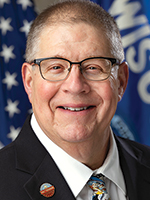
2025-2026 Regular Session Introduced by Dave Armstrong and 20 co-sponsors

AB 64 updates Nevada's Open Meeting Law to clarify what counts as a meeting, regulate remote meetings, address defamatory remarks, and define licensee disciplinary proceedings.

Report of joint survey committee on Tax Exemptions received, Ayes 9, Noes 0.
0
WeVote Research Nonpartisan
Bill Summary · AB 64

AB 64 — Summary (BDR 19-445)

Status: Enacted in 2025 (introduced Dec 3, 2024; approved and chaptered into law in 2025). Fiscal notes: no state or local fiscal effect reported.

Main purpose

AB 64 revises Nevada’s Open Meeting Law (OML) to (1) clarify what constitutes a “meeting,” (2) update rules for meetings conducted by remote technology, (3) address privilege and civil liability for statements made at public meetings, and (4) clarify the OML’s applicability to certain disciplinary proceedings involving licensees.

Key provisions and changes

  • Definition of “meeting”
    • Expands the existing exclusion for gatherings to permit members of a public body to meet to receive legal advice from the body’s attorney and to deliberate, so long as deliberation is limited to the legal advice received.
  • Remote-technology meetings
    • Prohibits holding a meeting by remote technology without a designated physical location where the public may attend and participate when the meeting will adjudicate certain contested cases or will hold a workshop/hearing on a proposed regulation.
    • When a meeting is conducted solely by remote technology and no physical location is designated, the public body must read clear instructions verbally (e.g., call‑in instructions) before the first public-comment period so the public can participate.
  • Statements, testimony, and defamation
    • Authorizes a witness who testifies under oath before a public body to publish defamatory matter as part of a public meeting; testimony under oath is subject to perjury penalties.
    • Clarifies that OML provisions do not alter or limit civil causes of action (defamation, libel, slander, or similar claims) for defamatory statements made by members of the public during public comment.
  • Disciplinary proceedings (licensees)
    • Clarifies that investigatory proceedings to determine whether to initiate disciplinary action against a licensee are not subject to certain OML notice/opening requirements unless the licensee requests OML treatment.
    • If the regulatory body decides to proceed with disciplinary action, subsequent proceedings related to that action are subject to all OML provisions.

Procedural/legislative notes & amendments

  • The bill went through multiple committee amendments and reprints. An earlier proposal that would have required a minimum of 3 minutes per public commenter was removed during amendment.
  • The Attorney General (through the Assembly Committee on Government Affairs) sponsored the measure.

Who is affected

  • Public bodies and their members (cities, counties, boards, commissions, regulatory bodies)
  • Public-body attorneys (clarifies scope for legal-advice-only deliberations)
  • Persons attending and commenting at public meetings (rights to participate in remote meetings; potential civil liability for defamatory public comments)
  • Licensees facing regulatory investigations and ensuing disciplinary proceedings

Practical impact

AB 64 provides clearer rules for when member gatherings qualify as OML “meetings,” tightens procedural safeguards for remote-only sessions on sensitive adjudicatory/regulatory matters, and balances limited testimonial privileges (oath/perjury context) with preservation of civil remedies for defamatory public comments.

Compiled from official sources — confirm details with the bill’s official record.

Sign in to ask a question.