

WeVote

Bill

Bill

SB 198

Relating to additional requirements for individualized education programs developed for children with autism or other pervasive developmental disorders.

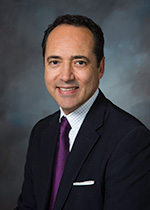
89th Legislature (2025) Introduced by José Menéndez

SB 198 adds new requirements to special education plans for Texas students with autism and developmental disorders, potentially expanding services or protections while imposing compliance costs on school districts.

Referred to Education K-16
0
WeVote Research Nonpartisan
Bill Summary · SB 198

Legislative bill overview

SB 198 would impose additional requirements on individualized education programs (IEPs) for children diagnosed with autism spectrum disorder or other pervasive developmental disorders in Texas schools. The bill, introduced by Senator José Menéndez, appears to establish new procedural or substantive standards beyond current federal and state IEP requirements for this student population.

Why is this important

IEPs are legally binding documents that determine special education services, accommodations, and goals for students with disabilities. Changes to IEP requirements directly affect how schools allocate resources, what services students receive, and the involvement of parents and specialists in educational planning. For families of children with autism and developmental disorders, the bill could either strengthen protections and services or create additional compliance burdens for school districts.

Potential points of contention

  • Implementation costs: Additional IEP requirements may necessitate increased staffing, training, and administrative resources for school districts with varying funding levels
  • Specificity of requirements: Ambiguity about what "additional requirements" entail could create compliance challenges and disputes between schools and families
  • Parental involvement vs. burden: While enhanced requirements might increase parental input, they could also lengthen IEP meetings and delay service delivery if not carefully designed

Compiled from official sources — confirm details with the bill’s official record.

Sign in to ask a question.