

WeVote

Bill

Bill

A 5262

Relates to yellow signals at traffic intersections

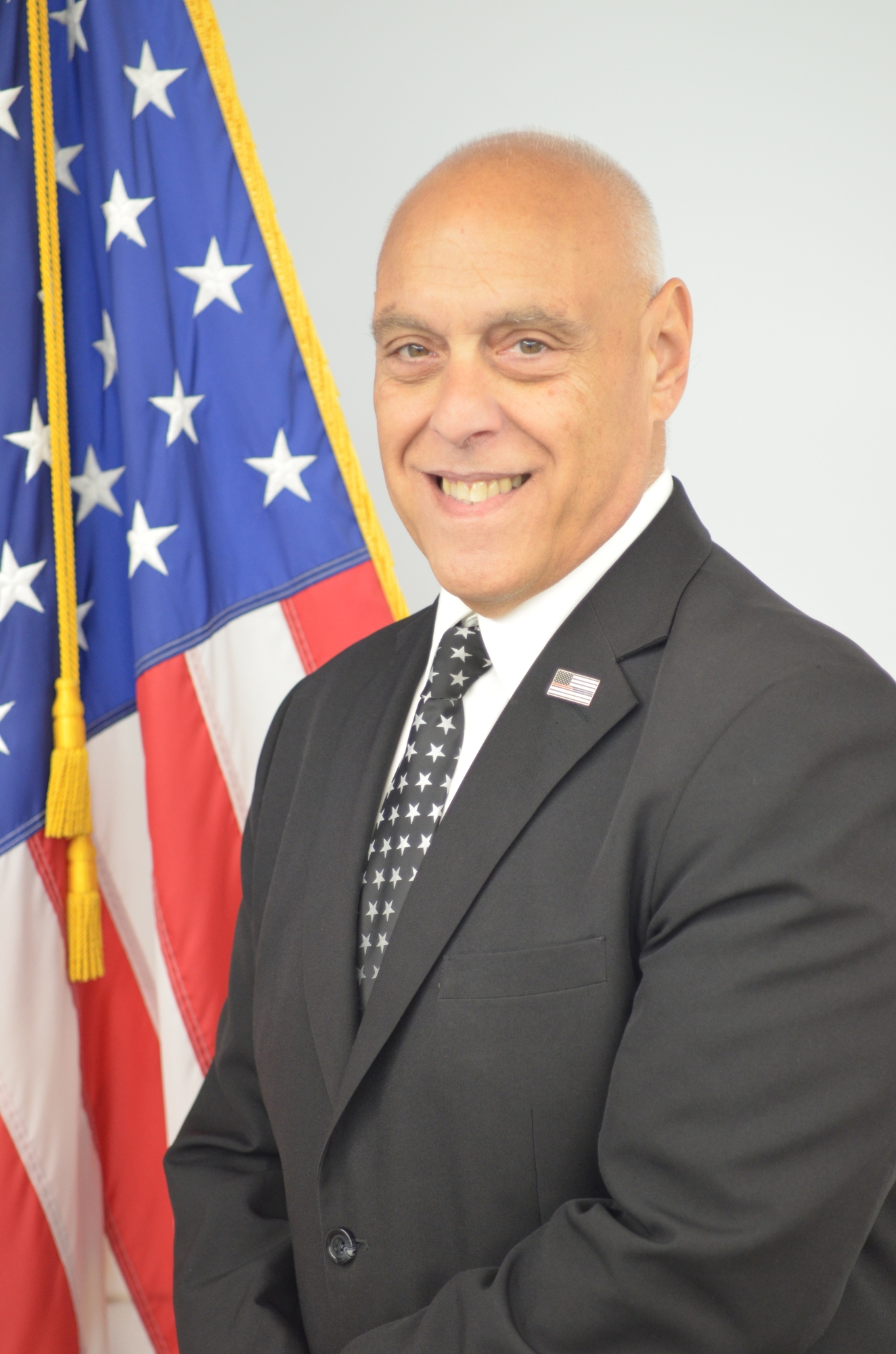
2025 Regular Session Introduced by Joe DeStefano

Codifies NYT v. Sullivan standard in NJ defamation suits by public officials; truth is an absolute defense, and recovery requires falsity plus actual malice, effective immediately.

REFERRED TO TRANSPORTATION
0
WeVote Research Nonpartisan
Bill Summary · A 5262

Summary of Assembly Bill No. 5262 (A 5262)

Note: The bill’s content focuses on defamation law and the First Amendment, not traffic signals. The bill’s title in the provided materials mentions “yellow signals at traffic intersections,” but the text and legislative history describe defamation standards for public officials. This summary reflects the bill’s text and actions as presented.

Quick overview

  • Purpose: Codify the U.S. Supreme Court’s New York Times Co. v. Sullivan standard for defamation claims brought by public officials in New Jersey, and affirm that truthfulness is an absolute defense.
  • Core idea: A public official cannot recover damages for defamation unless they prove the statement was false and made with actual malice. Truth is an absolute defense to recovery.
  • Immediate effect: The act would take effect immediately upon enactment.

Key Provisions

  • Section 1a: In an action for damages by a public official for defamation relating to official conduct, the public official is barred from recovery unless they prove the statement was false and made with actual malice.
  • Section 1b: In any such action, proof of the truthfulness of the allegedly defamatory statement is an absolute defense against recovery.
  • Section 1c: Definitions
    • “Actual malice” means the defendant knew the statement was false or acted with reckless disregard of its truth or falsity.
    • “Public official” includes persons elected or appointed to public offices.
    • Clarifies who is “elected or appointed to a public office,” including:
    • Appointments by the Governor that require Senate advice and consent,
    • Appointments at the Governor’s pleasure during the Governor’s term,
    • Appointments by elected officials or political subdivision bodies that require specific consent,
    • Elected offices or vacancies filled by election,
    • Appointments/elections to fill vacancies in elected offices.
  • Section 2: Takes effect immediately.

Affected Parties and Impacts

  • Primary beneficiaries: Public officials in New Jersey who are defendants in defamation lawsuits.
  • Other parties: Plaintiffs (including public figures and media entities) who sue public officials for statements related to official conduct.
  • Practical impact: Aligns New Jersey law with the Sullivan standard, making it harder for public officials to prevail in defamation suits unless they prove falsity and actual malice, while granting a robust defense based on truth.

Procedural and Timeline Notes

  • Introduced: February 10, 2025
  • Initial committee action: Referred to Assembly Judiciary Committee
  • Subsequent referrals: Referred to Transportation (noted in the record)
  • Later actions: May 8, 2025 — Reported and referred to Assembly Oversight, Reform and Federal Relations Committee
  • Sponsor: Assembly member Joe DeStefano (primary)
  • Related/companion bills: S 4101, S 1971, S 2912 (and A 6119 in a prior session)

Related Context

  • This bill mirrors the Supreme Court’s Sullivan standard and reiterates that truthfulness is an absolute defense, reinforcing First Amendment protections for debate about public issues.

If you’d like, I can compare these provisions to New Jersey’s current defamation law or summarize how this bill interacts with existing case law and any potential fiscal implications.

Compiled from official sources — confirm details with the bill’s official record.

Sign in to ask a question.