

WeVote

Bill

Bill

A 913

Relates to when and how notification of a data breach is to be provided to the department of financial services

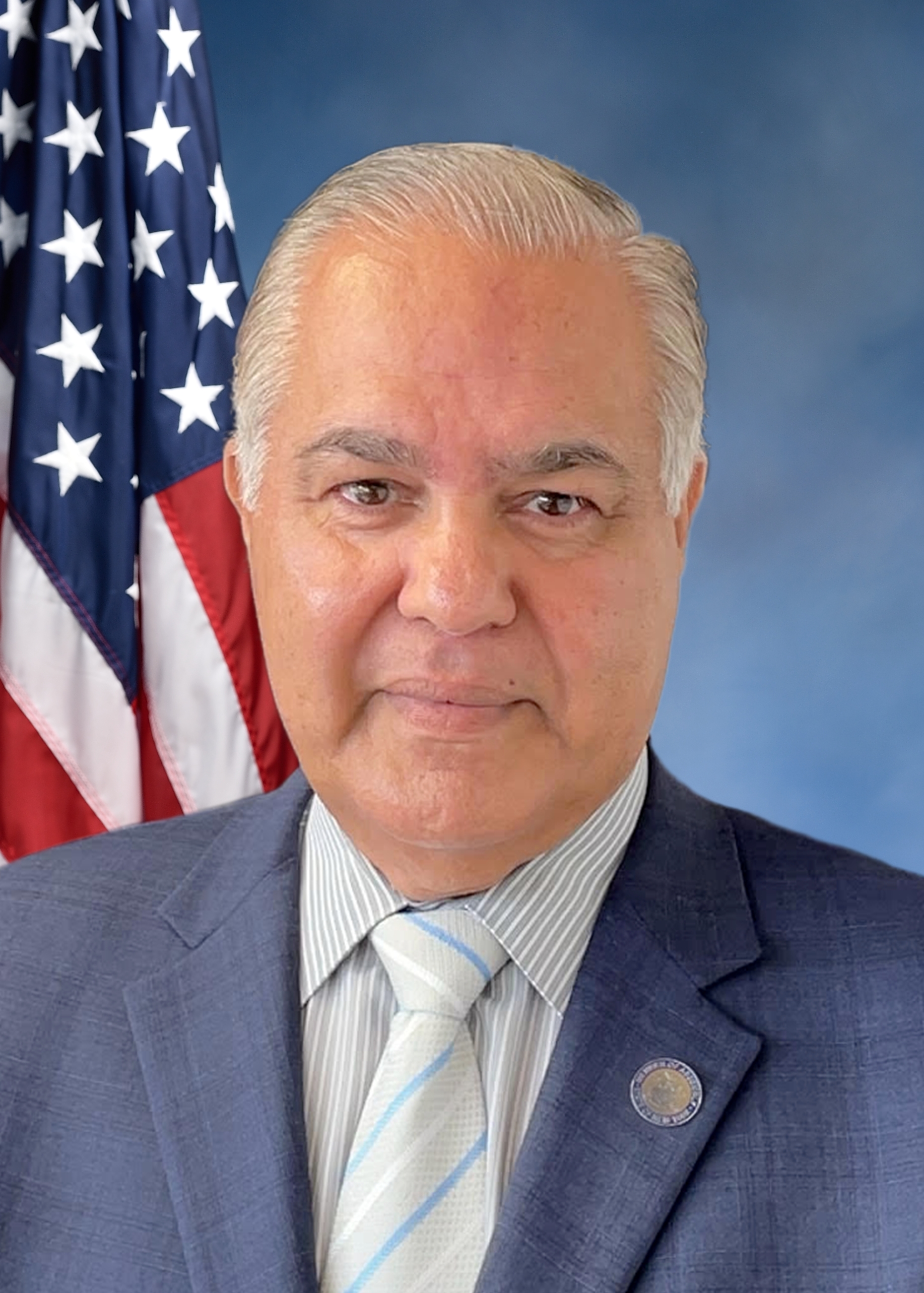
2025 Regular Session Introduced by Nader Sayegh and 1 co-sponsor

Adds sickle cell anemia as a qualifying condition in NJ’s medical cannabis program, enabling patients to obtain cannabis with clinician approval while preserving existing rules.

SUBSTITUTED BY S804
0
WeVote Research Nonpartisan
Bill Summary · A 913

Summary — Assembly Bill A913 (Introduced version)

Relates to medical cannabis: adds sickle cell anemia to qualifying conditions

Purpose

A913 amends New Jersey’s medical cannabis law (P.L.2009, c.307) to add sickle cell anemia as a qualifying medical condition for participation in the State’s medicinal cannabis program. The bill’s intent is to allow patients with sickle cell disease access to medical cannabis when recommended by an authorized health care practitioner.

Key provisions

  • Adds “sickle cell anemia” (sickle cell disease) to the statutory list of qualifying medical conditions under P.L.2009, c.307 (C.24:6I-1 et seq.).
  • Preserves existing program structures and requirements: patient registration with the Cannabis Regulatory Commission (CRC), role and registration of designated and institutional caregivers, authorized health care practitioner standards, dispensing rules, and renewals.
  • Does not change criminal history, caregiver limits, or other eligibility/administrative provisions already in law.
  • Amends section 3 of P.L.2009 (definitions) to reflect the inclusion of the new qualifying condition.

Who is affected

  • Patients diagnosed with sickle cell anemia may qualify for medical cannabis recommendations and register for the medicinal cannabis program.
  • Designated and institutional caregivers who assist these patients.
  • Cannabis Regulatory Commission (CRC) and medical cannabis dispensaries/clinical registrants due to expanded participant population.
  • Health care practitioners authorized to recommend medical cannabis.

Fiscal impact (Office of Legislative Services)

  • State expenditures: marginal, indeterminate increase to regulate additional program participants; impact expected to be modest given existing CRC infrastructure.
  • State revenues: up to $14,200 annually estimated. This is based on the $10 fee for a physical medicinal-cannabis ID card for newly-registered or renewing sickle cell patients and caregivers, and an assumption that roughly one-third of eligible patients enroll each year. The CRC offers free digital ID cards since June 2024; if participants opt for digital cards, revenue would be lower.
  • Note: Medicinal cannabis sales have been exempt from the State 6.625% sales and use tax since July 1, 2022.

Legislative status & timeline

  • Introduced in Assembly: Jan 9, 2024 (referred to Assembly Health Committee).
  • Reported out of Assembly committees and passed the Assembly: May 22, 2025 (71-2-4).
  • Reported favorably by Senate Health, Human Services and Senior Citizens Committee: Nov 13, 2025.
  • Record shows A913 was substituted by S804 (companion Senate bill); S2392 is a companion bill as well. Final enactment depends on progress of the substitute/companion Senate bill.

Sponsors

Primary sponsors: Assemblymembers Reginald W. Atkins; William W. Spearman; Verlina Reynolds-Jackson; Nader Sayegh. Multiple cosponsors including Garnet R. Hall and Linda S. Carter.

For more detail, the bill amends definitions in P.L.2009, c.307 (notably section 3) to implement the change.

Compiled from official sources — confirm details with the bill’s official record.

Sign in to ask a question.