

WeVote

Bill

Bill

A 3789

Relates to utilization review program standards and pre-authorization for certain health care services

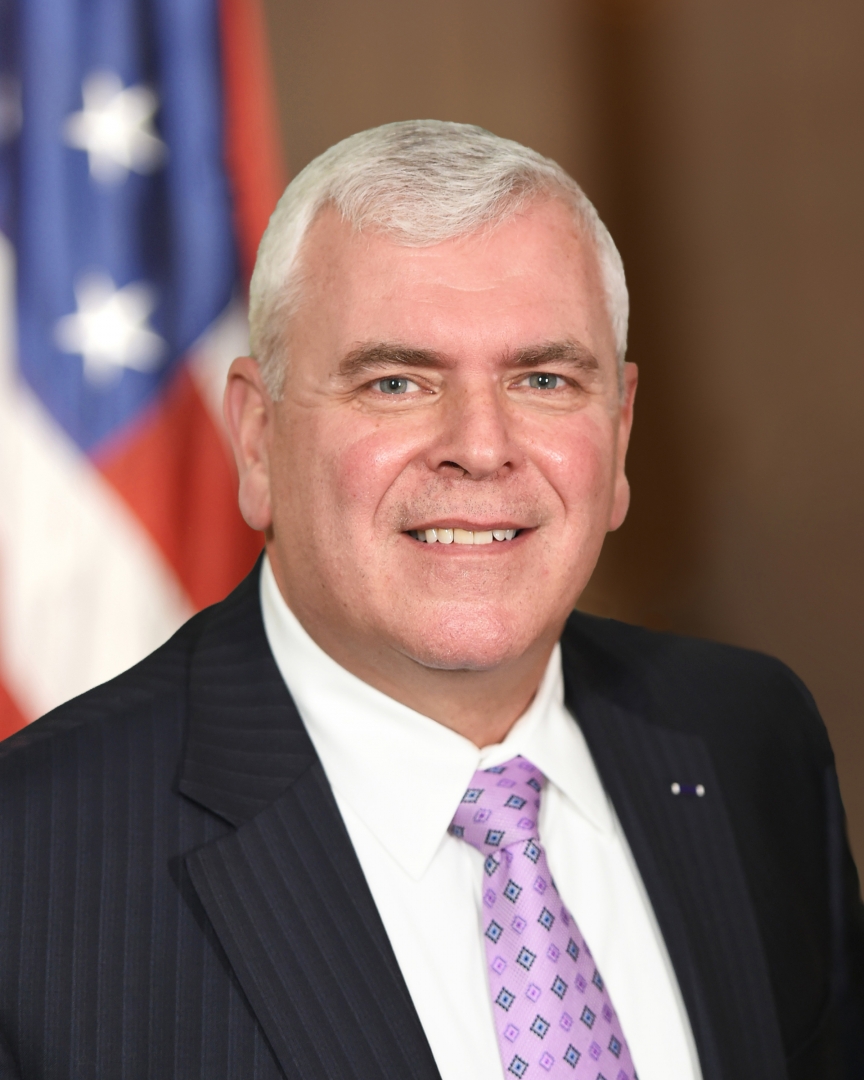
2025 Regular Session Introduced by Joe Angelino and 52 co-sponsors

A.3789 expands dealer liability by deeming “knows or should have known” buyers’ intent and broadens criminal liability to recklessness for many firearms regulatory violations.

REPORTED REFERRED TO RULES
0
WeVote Research Nonpartisan
Bill Summary · A 3789

Summary — A.3789 (Introduced Feb. 22, 2024; Amended and Recommitted 6/9/2025)

Purpose / Intent

A.3789 amends New Jersey’s firearms regulatory criminal statute (N.J.S.2C:39-10) to broaden criminal culpability for violations of firearms regulatory provisions and to tighten liability for licensed firearms dealers who enable trafficking to persons disqualified from possessing firearms. The bill clarifies mental-state standards and increases accountability for dealers who knowingly or should have known their conduct would result in unlawful possession or criminal use.

Key provisions and changes

  • Mental‑state expansion

    • Current law: many regulatory violations are punishable when committed “knowingly.”
    • A.3789: changes several provisions so violations committed “knowingly or recklessly” are criminalized (recklessness defined by N.J.S.2C:2-2).
  • Dealer knowledge standard

    • Current law: a licensed dealer who sells to a person when the dealer “knows” that the buyer intends to transfer to a disqualified person is guilty of a second‑degree crime.
    • A.3789: expands liability so a dealer is guilty if the dealer “knows or should have known” the buyer’s intent (introducing constructive knowledge / willful‑blindness).
  • Penalties and license consequences

    • Dealer who sells with the knowledge/should‑have‑known standard: second‑degree crime and permanent disqualification from holding a retail license. Mandatory minimum incarceration terms are retained where present in statute (see below).
    • If a law enforcement review finds a dealer sold or transferred an “inordinate number” of firearms and the dealer knew or should have known the weapons would be used criminally or transferred for unlawful use, the dealer’s license may be permanently revoked after a hearing.
  • Existing offenses retained (as amended)

    • Many regulatory violations remain fourth‑degree offenses (now applying to knowing or reckless violations where specified).
    • False information on firearms purchase/permit forms: third‑degree.
    • False info in assault‑firearm registration or rendering inoperable: fourth‑degree.
    • Transfer of a firearm to someone under 18 (with some narrow exceptions): second‑degree, with a mandatory minimum five‑year term ineligible for parole.
    • Transfer of a handgun to someone under 21 (unless authorized for official duties): third‑degree.
    • Soliciting a dealer when disqualified to obtain a firearm: third‑degree (sentences do not merge; separate sentences required).
  • Effective date

    • The bill takes effect immediately upon enactment.

Who is affected

  • Licensed firearms dealers/retailers (heightened liability, potential permanent license revocation).
  • Purchasers and intermediaries (broader grounds for criminal liability).
  • Persons disqualified from firearm possession (enhanced tools for enforcement against those who procure firearms through others).
  • Law enforcement and prosecutors (broader standards to charge trafficking-related regulatory violations).
  • Courts (mandatory minimums and sentencing directives in some subsections).

Procedural status (selected)

  • Introduced in Assembly: 2/22/2024, referred to Assembly Judiciary.
  • Reported and referred to Rules; AMEND AND RECOMMIT TO RULES (3789A) recorded 6/9/2025.
  • Companion/related measures: S.1425, S.7297 and several prior‑session bills (A.3038, A.7129, etc.).

Notes

  • The bill’s Statement explains that the “should have known” and recklessness standards are intended to capture conduct where a dealer consciously disregards substantial risks or is willfully blind to trafficking.

Compiled from official sources — confirm details with the bill’s official record.

Sign in to ask a question.