

WeVote

Bill

Bill

A 5079

Relates to training for school security guards

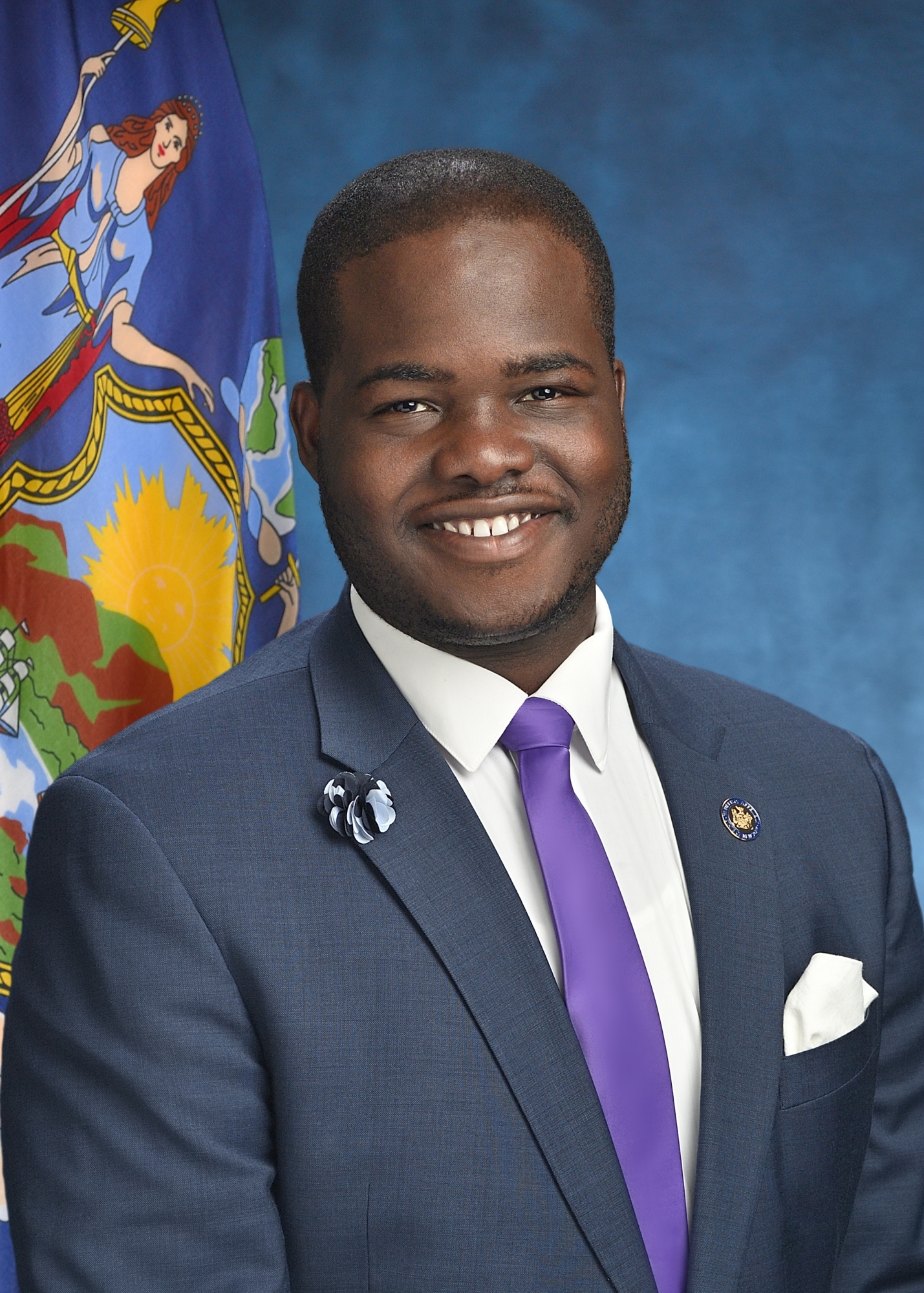
2025 Regular Session Introduced by Khaleel Anderson and 14 co-sponsors

Designates electrical linemen and utility workers as first responders during weather emergencies and grants civil immunity for good-faith restoration work.

PRINT NUMBER 5079D
0
WeVote Research Nonpartisan
Bill Summary · A 5079

Summary — A5079 (Print No. 5079B)

Status: Reported by Assembly Telecommunications & Utilities Committee (with amendments) 6/12/2025; referred to Assembly Appropriations. Introduced 12/09/2024. (Note: the supplied bill title listing “training for school security guards” appears to be incorrect — the bill text concerns electrical linemen and utility workers.)

Purpose

Designates electrical linemen and certain utility workers as "first responders" during weather‑related states of emergency and creates limited operational benefits and legal protections to facilitate restoration of electric and water service during such emergencies.

Key provisions

  • First responder designation
    • During a weather‑related state of emergency (declared by the Governor or the President), a person who installs, maintains, or repairs electrical transmission/power distribution systems or water infrastructure is a "first responder electrical lineman or first responder utility worker."
  • Civil immunity
    • These first responders are immune from civil damages for acts or omissions undertaken in good faith while providing or restoring electric or water service during the emergency.
    • Immunity does NOT apply for willful, wanton, or grossly negligent acts/omissions, nor for damages resulting from negligent operation of a motor vehicle.
  • Special vehicle decals
    • The Division of State Police may issue special decals for vehicles owned, leased, or used by eligible first responders to be displayed only while providing/restoring service during the emergency.
    • Decal design and display rules are to be determined by State Police in consultation with the Division of Highway Traffic Safety and the Motor Vehicle Commission.
    • Decals must be removed after the emergency ends. Abuse or misuse may result in decal revocation and penalties.
    • Return and fines: first responders must return decals when no longer employed/utilized for such emergency service; failure to return within 30 days subjects the person to a $100 fine.
    • False statements to obtain/misuse decals: fine up to $1,000 (assessed by State Police).
  • 9‑1‑1/public safety answering points (PSAPs)
    • PSAPs must be capable of dispatching or forwarding emergency calls for electric or water utility services to these first responders during weather‑related emergencies.

Who is affected

  • Electrical linemen and utility workers performing repair/restoration during declared weather emergencies.
  • Utilities and their contractors/employee dispatching systems.
  • Division of State Police, Division of Highway Traffic Safety, Motor Vehicle Commission, and public safety answering points.
  • General public (through restored services and through legal protections/limits).

Fiscal and administrative impact

  • Office of Legislative Services estimates an initial State expenditure under $10,000 to design/produce decals; ongoing costs indeterminate (unknown decal volume; OLS noted 7,000–15,000 potentially covered workers).
  • Potential indeterminate revenue from fines ($100 and up to $1,000) if violations occur.
  • PSAPs expected able to implement dispatching/forwarding requirement at no additional cost.

Effective date and procedural notes

  • Bill takes effect immediately upon enactment.
  • Committee amendments broadened scope from solely "electrical linemen" to include "utility workers" and water service; updated title and synopsis to reflect these additions.

Compiled from official sources — confirm details with the bill’s official record.

Sign in to ask a question.