

WeVote

Bill

Bill

A 3316

Relates to the unlawful wearing of a body vest

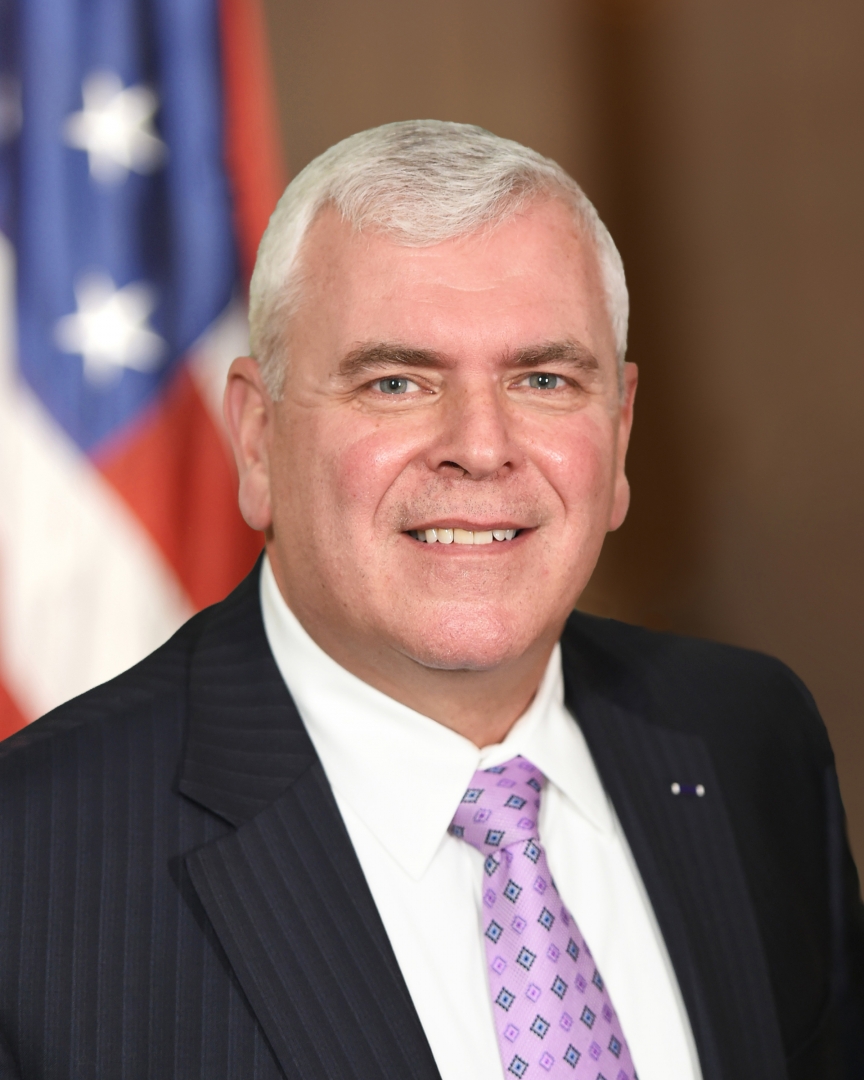
2025 Regular Session Introduced by Joe Angelino and 6 co-sponsors

Extends reader privacy to book services by limiting disclosure of users' personal data by providers and government, with consent, subpoena, court order, or emergency carve-outs.

REFERRED TO CODES
0
WeVote Research Nonpartisan
Bill Summary · A 3316

Summary of New Jersey A 3316 — Reader Privacy Act

Overview

A 3316, introduced January 9, 2024 and referred to the Codes Committee, would enact the Reader Privacy Act. The core goal is to extend library-like privacy protections to book service users—covering both physical books and electronic books (e-books)—by limiting when law enforcement or government entities may seek or obtain a user’s personal information from a book service provider.

Key effect: book service providers would generally be prohibited from disclosing a user’s personal information without user consent, a subpoena or court order, or specific reimbursement-related circumstances for higher education students.

Definitions (essential terms)

  • Book: Printed, electronic, audio, or other formatted content organized in pages or volumes; excludes serials (e.g., magazines/newspapers) and items depicting sexual exploitation or abuse of a child.
  • Book service: A service whose primary purpose is the rental, purchase, borrowing, browsing, or viewing of books. Excludes stores where book sales are ≤ 2% of total US consumer product sales.
  • Government entity / Law enforcement entity: State or local government bodies and law enforcement personnel authorized to investigate or prosecute crimes.
  • Personal information: Data identifying or relating to a user’s use of a book service, including unique identifiers or IP addresses tied to a user’s book service activity.
  • Provider: Any commercial entity offering a book service to the public.
  • User: A person who rents, purchases, borrows, browses, views, or listens to a book offered by a book service.

Core Provisions

Restrictions on Disclosure by Government/Law Enforcement

  • A government or law enforcement entity shall not seek disclosure of a user’s personal information from a provider except if: 1) The user consents or the disclosure is requested by the user, or 2) The disclosure is compelled by a subpoena or court order, or 3) A government entity requires disclosure by a provider serving a higher education institution to reimburse for the sale or rental of a book purchased or rented by a student using vouchers or financial aid subsidies.

Restrictions on Disclosure by Providers

  • A provider shall not disclose a user’s personal information except if: 1) The user consents or disclosure is requested by the user, or 2) The disclosure is required by subpoena or court order, or 3) Disclosure is required to reimburse a higher education institution for books purchased or rented with student vouchers/financial aid subsidies.

Exigent Circumstances (Emergency Disclosure)

  • Notwithstanding the above, a law enforcement entity may seek and a provider may disclose personal information if there is an imminent danger of death or serious physical injury and insufficient time to obtain a subpoena or court order.
  • The law enforcement entity must provide written confirmation of the assertion upon request or within seven days after seeking the disclosure.

Good Faith Disclosure Provision

  • Nothing prevents a provider from disclosing information if the provider, in good faith, believes the information may be evidence of a crime against the provider or user.

Effective Date

  • The act would take effect on the first day of the second month after enactment.

Who Is Affected

  • Users of book services (readers and purchasers of books/e-books).
  • Providers of book services (rental/purchase/browsing platforms).
  • Higher education institutions and their students (in reimbursement contexts for books obtained via vouchers/financial aid).
  • Law enforcement and government entities (subject to the enumerated disclosure limits).

Legislative Context

  • Legislative actions show introduction in the Assembly (January 9, 2024) and referrals to Codes.
  • Related companion bill: S 4198; several prior-session A-numbered bills are listed as related.

Practical Implications

  • Strengthens privacy protections for readers and library-like patrons of book services.
  • Creates explicit, limited pathways for government access to personal reading data.
  • Establishes emergency disclosure protections with a short-notice requirement.
  • Balances user privacy with intents around financial aid reimbursements for instructional materials.

Compiled from official sources — confirm details with the bill’s official record.

Sign in to ask a question.