

WeVote

Bill

Bill

A 4855

Relates to the theft of benefits contained on an electronic benefit transfer card

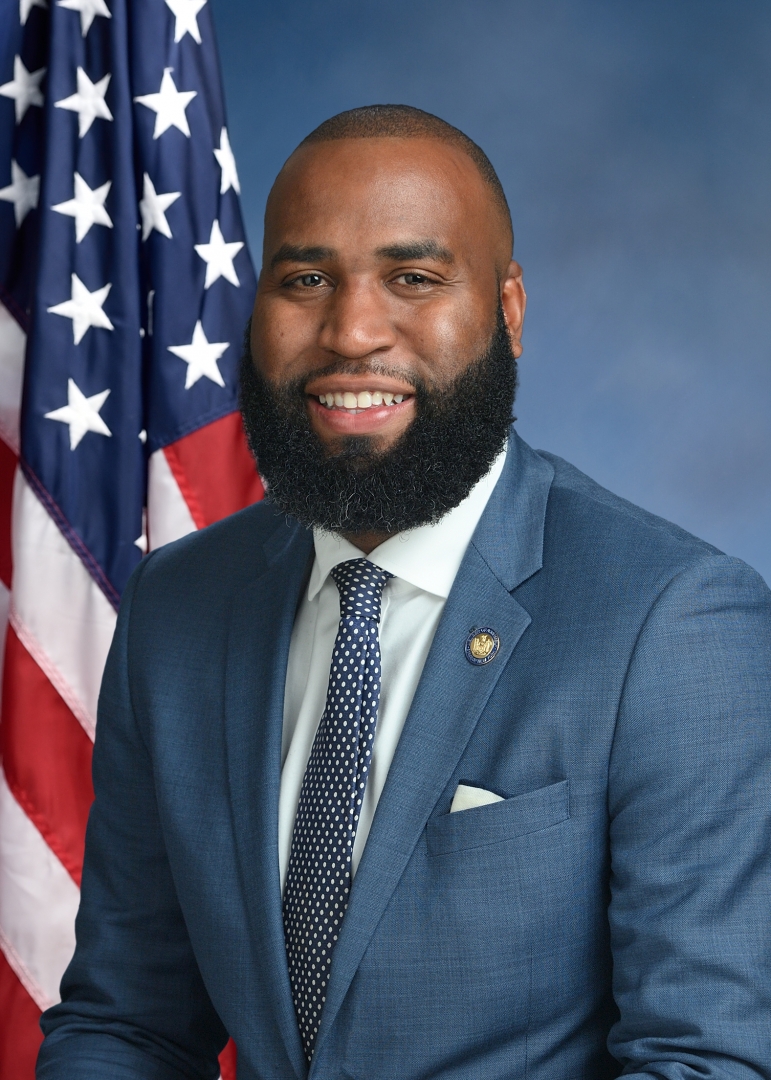
2025 Regular Session Introduced by Brian Cunningham

Establishes a K-12 statewide policy on cell phones and social media use in schools, with district policies, storage, network restrictions, and emergency/health exceptions.

REFERRED TO CODES
0
WeVote Research Nonpartisan
Bill Summary · A 4855

Summary of New Jersey Assembly Bill A 4855

Note on title vs. content: The bill’s title references “the theft of benefits contained on an electronic benefit transfer card.” The introduced text, however, concerns student use of cell phones and social media. This summary reflects the introduced content related to school policy on devices.

Overview

  • Aims to create uniform statewide expectations for student use of cell phones and social media during regular school hours, on buses, or at school-sanctioned events under supervision.
  • Requires the Commissioner of Education to develop a policy for K–12 students and for boards of education to adopt corresponding district policies.

Purpose and intent

  • Promote student learning and well-being while addressing technology use in schools.
  • Ensure policies are age-appropriate, legally compliant, and responsive to emergency needs and student health considerations.
  • Provide districts with storage options and guidance on restricting access to social media networks.

Key provisions

Commissioner policy (introduced version)

  • The Commissioner must issue a policy for grades K–12 within 90 days after enactment.
  • Minimum policy requirements include:
    1. Age- and grade-appropriate restrictions on cell phone and social media use.
    2. Consistency with state and federal law, including accommodations under IDEA and Section 504.
    3. Emergency or perceived threat exceptions permitting phone use.
    4. Allowance for phone use if a parent provides health/well-being documentation from a health professional.
    5. Coverage of devices such as smartphones, basic text/voice phones, and smartwatches.
    6. Guidance on storage options (e.g., locked pouches, cell phone lockers).
    7. Guidance to establish network-based restrictions to prevent access to social media platforms.
    8. Protocols for communicating the policy to students, families, and staff.
  • The policy must prioritize learning and well-being and involve stakeholders in its development.

Local policy (boards of education)

  • Each board must adopt a policy on student use of cell phones and social media during the same settings, aligned with the Commissioner’s policy.

Exemption option

  • The Commissioner may exempt a board from adopting the district policy if the board applies for an exemption.

Flexibility

  • Districts may adopt more stringent policies than the Commissioner’s policy.

Scope and timing

  • Effective date: The act takes effect immediately and first applies to the first full school year after enactment.
  • Implementation path: Commissioner policy to be issued within 90 days; boards to adopt policies thereafter or seek exemptions.

Legislative status and related items

  • Introduced: September 23, 2024
  • Status: REFERRED TO CODES (after initial Education Committee referral)
  • Legislative actions: Introduced in Assembly; later referrals to Codes
  • Sponsors: Primary—Alixon Collazos-Gill; Brian Cunningham; Rosaura Bagolie; Additional sponsors include Aura K. Dunn, Shanique Speight, Carmen Theresa Morales, Heather Simmons
  • Related: Companion bill S 3568; prior-session A 8372

Potential impact

  • Creates uniform statewide expectations for student device use in schools.
  • Provides clear paths for emergency use and health-related exceptions.
  • Requires districts to allocate resources for device storage and network restrictions.
  • Balances policy standardization with district flexibility for stricter rules and exemptions.

If you’d like, I can add a side-by-side comparison with the companion S 3568 or outline potential implementation steps for a district.

Compiled from official sources — confirm details with the bill’s official record.

Sign in to ask a question.