

WeVote

Bill

Bill

A 3305

Relates to the sufficiency of the number of judges and justices in districts and courts

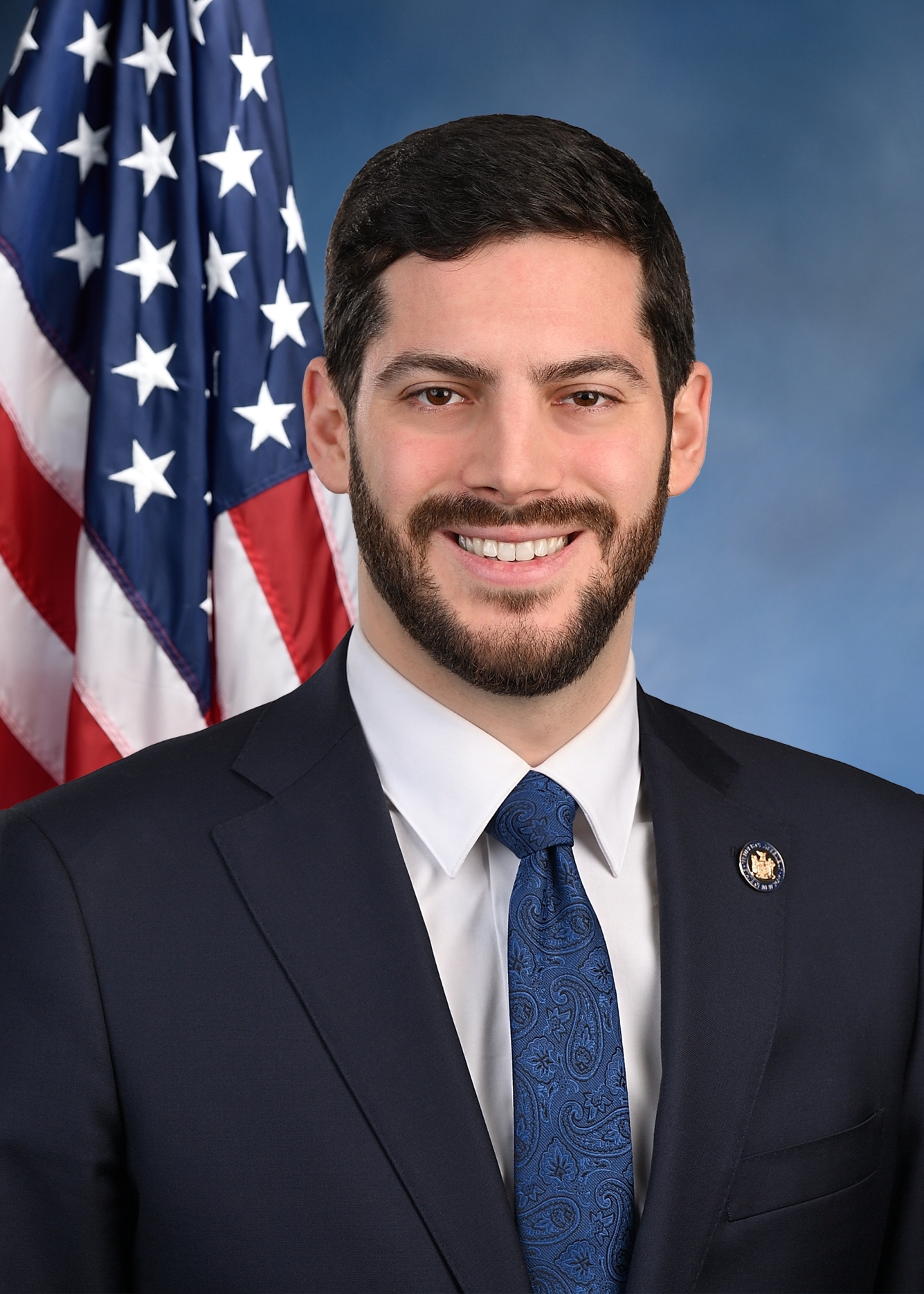
2025 Regular Session Introduced by Alex Bores and 2 co-sponsors

Requires foreclosing lenders to remove all lead water service lines in foreclosed homes, except utility-owned ones, cutting child lead exposure and shifting costs to lenders.

REFERRED TO JUDICIARY
0
WeVote Research Nonpartisan
Bill Summary · A 3305

Summary of New Jersey Assembly Bill A 3305

Note on title vs. content: The bill’s title references the sufficiency of the number of judges and justices in districts and courts, but the introduced version provided here contains provisions related to removing lead water service lines on foreclosed properties. The summary below focuses on the introduced text concerning lead pipe remediation.

Overview

  • Bill: A 3305
  • Introduced: January 9, 2024
  • Status: Referred to Judiciary (latest action shown: January 27, 2025)
  • Primary sponsor: Alex Bores
  • Cosponsors: Amanda Septimo, Andrew Molitor
  • Related bills: S 4195 (companion), S 8192 (companion), A 10041 (prior-session)

Purpose and intent

The introduced version seeks to prevent ongoing lead exposure in residential properties that have been foreclosed upon. Specifically, it requires financial institutions that foreclose on a property to replace lead water service lines on the property, except for lines that are owned by and the responsibility of the appropriate utility company. The act is intended to reduce lead exposure in homes, particularly for children.

Key provisions

  1. Lead service line removal obligation

    • A financial institution that knows or has reason to know that a foreclosed property has lead water service lines must remove all such lines.
    • Excludes lines that are owned and the responsibility of the appropriate utility service prior to selling or conveying the property.
    • The obligation is triggered only for lead lines on properties foreclosed by the institution.
  2. Effective date and applicability

    • The act takes effect immediately upon enactment.
    • Applies to all properties on which financial institutions foreclose on or after the date of enactment.

Affected parties

  • Financial institutions that foreclose properties
  • Property transferees (purchasers) and their occupants
  • Utility companies responsible for specific service lines
  • The broader community, particularly residents in foreclosed properties who may be exposed to lead

Procedural and timeline aspects

  • Introduced in the Assembly on January 9, 2024.
  • Initial referral to the Assembly Financial Institutions and Insurance Committee.
  • Subsequent action noted as January 27, 2025, with a referral to the Judiciary Committee (listed twice in the provided actions, indicating ongoing committee consideration).

Implementation considerations

  • Costs and logistics: Financial institutions would bear the cost and logistics of testing and replacing lead service lines that are not utility-owned.
  • Exemptions: Only lines owned by and the responsibility of the utility are exempt; disputed ownership or responsibility could require clarifications.
  • Enforcement: Specific enforcement mechanisms, penalties, or timelines for completion are not detailed in the introduced text.

Additional context

  • Legislative references indicate related or companion measures in other bills (S 4195, S 8192; A 10041 in prior sessions).
  • The bill’s rationale highlights childhood lead exposure as a central public health concern and positions lead service line replacement as a preventive measure.

If you’d like, I can compare this bill’s provisions with its companion bills (S 4195, S 8192) or provide a side-by-side checklist of compliance steps for financial institutions.

Compiled from official sources — confirm details with the bill’s official record.

Sign in to ask a question.