

WeVote

Bill

Bill

A 9558

Relates to the statute of limitations for certain actions involving child abuse, medical neglect and medical negligence to minors; repealer

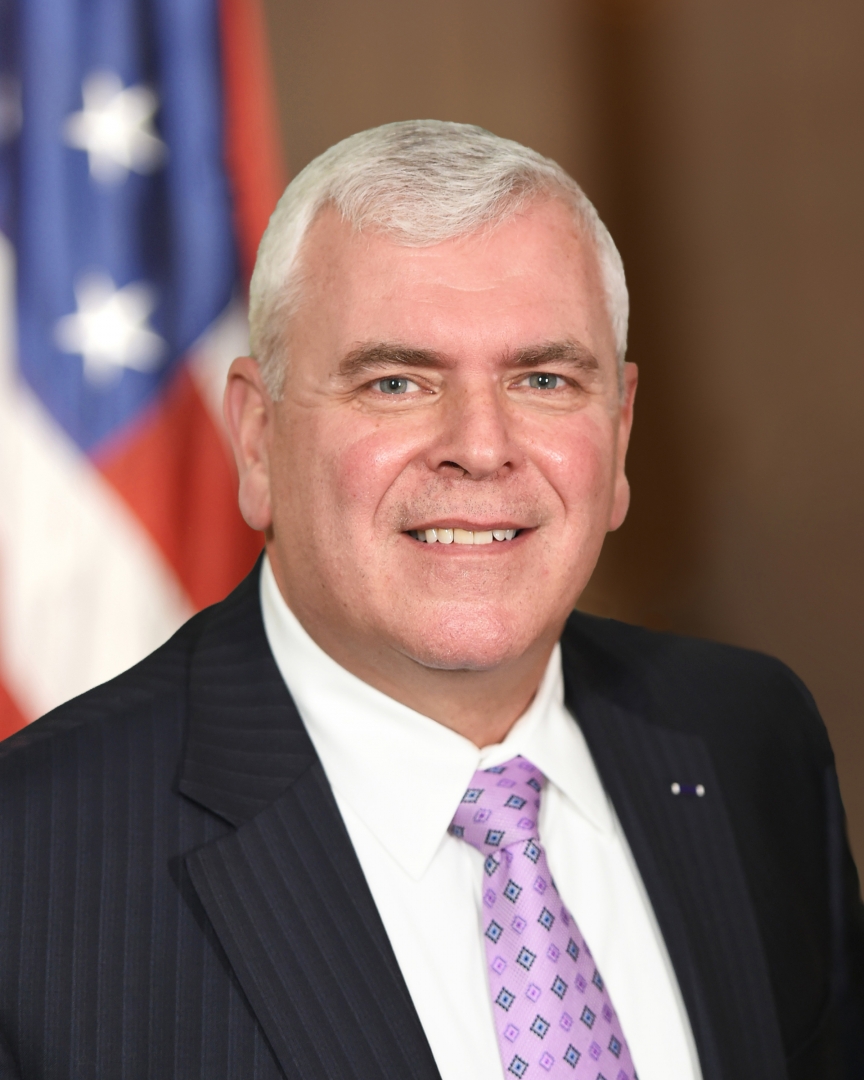
2025 Regular Session Introduced by Joe Angelino and 8 co-sponsors

The bill allows civil suits for child abuse, medical neglect, or medical negligence involving minors to be filed at any time before the plaintiff turns 55, tolling during discovery

REFERRED TO CODES
0
WeVote Research Nonpartisan
Bill Summary · A 9558

Summary of Bill A. 9558 (2025-2026) – Relates to statute of limitations for child abuse, medical neglect, and medical negligence involving minors; repeal of certain CPL provisions

Main purpose and intent

  • The bill expands and clarifies the statute of limitations for civil actions arising from child abuse, including medical neglect and medical negligence involving minors.
  • It recognizes that survivors may discover injuries and causation long after the fact due to trauma, coercion, concealment, or ongoing treatment.
  • It treats acts beginning in childhood and continuing into adulthood as a single continuous course for purposes of accrual.
  • The overall aim is to reduce barriers to meritorious claims caused by time limits, delayed discovery, concealment, or collusion, and to improve access to justice for abuse survivors.

Key provisions and changes

  1. Criminal Procedure Law adjustments (existing sections amended and repealed)

    • § 2 (amends § 30.10(2)(a), (a-1), (a-2)):
      • Expands or clarifies the time frames for certain serious sex offenses to allow ongoing actions to be commenced later, including a long-window approach for offenses against or involving children. § 2(a) enumerates offenses that may be commenced at any time (e.g., certain felonies, first-degree incest, etc.). § 2(a-1) and (a-2) modify limitations for other offenses (e.g., rape in 2nd/3rd degree, criminal sexual acts, incest) with new timing provisions referencing age 55 rather than earlier caps in certain situations.
    • § 3: Repeal of paragraph (e) of CPL § 30.10(3). § 4: § 30.10(3)(f) revised to extend the start of the limitations period to age 55 for specified sexual offenses against a child, rather than starting at the offense or younger benchmarks.
  2. Civil Practice Law and Rules (CPLR) adjustments

    • § 5: Adds CPLR § 213-c (new) providing a broad civil action window for survivors of certain sexual offenses and related conduct.
      • Civil actions for injuries from conduct constituting rape in the first/second degree, aggravated sexual abuse, or related incest/sexual conduct against a minor may be brought “at any time before the victim reaches the age of 55.”
      • Emphasizes that criminal charges are not a prerequisite for bringing civil claims.
    • § 6: Amends CPLR 215(b) to toll or extend limitations when a criminal action for related offenses has begun, allowing the plaintiff to sue up to age 55.
    • § 7: Amends CPLR § 214-j (added in 2022) to revive certain civil claims involving sexual offenses committed against adults (18+) that were time-barred as of the act’s effective date, with revival windows and conditions.
    • § 8: Adds CPLR §§ 214-k and 214-l:
      • § 214-k: Actions arising from child abuse, medical neglect, or medical negligence involving minors may be commenced at any time before the plaintiff reaches age 55. The statute tolls the limitations until discovery of injury and its causal connection, with recognition of concealment, coercion, misrepresentation, or ongoing negligent treatment, and treats continuous abuse/neglect as a single continuous course.
      • § 214-l: Establishes jurisdictional rules for multi-jurisdiction scenarios and continuities of treatment; allows actions against the abuser or the abuser’s estate. It treats prolonged multi-jurisdictional treatment as a continuous course.
  3. Public Health Law addition

    • § 9: Adds Public Health Law § 2999-k requiring the Department of Health to promulgate regulations addressing medical misconduct involving minors when the provider is a parent, guardian, family member, or caregiver who holds medical credentials.
  4. Insurance Law addition

    • § 10: Adds Insurance Law § 3420(k):
      • Requires every medical malpractice insurance policy issued/delivered in New York to provide coverage for acts or omissions constituting medical negligence involving a minor, even without a formal provider-patient relationship.
      • Prohibits policy exclusions/limitations for claims authorized by CPLR § 214-k (child abuse/neglect or medical negligence involving minors) where no formal billing or relationship existed.
      • Applies to policies in effect at the time of the alleged act and is construed liberally in favor of coverage.
  5. Miscellaneous

    • § 11: Severability clause.
    • § 12: Effective date is immediate; applies to actions commenced on or after the effective date, including actions previously barred solely by expiration of the statute of limitations, provided such actions are commenced within two years of the effective date.

Who/what would be affected

  • Minor victims of
    • Child abuse (including physical and emotional abuse)
    • Medical neglect
    • Medical negligence involving minors
  • Civil plaintiffs seeking damages for injuries resulting from such conduct
  • Defendants in related criminal actions where parallel civil claims exist, due to extended or revived filing windows
  • Abusers and negligent providers (including their estates, via § 214-l)
  • Insurance providers offering medical malpractice coverage (to ensure coverage for minor-related claims, including non-traditional provider-patient relationships)
  • The Department of Health, which would issue regulations on medical misconduct involving minors connected to family or household providers
  • Courts, which must apply continuous-treatment and discovery-based tolling standards

Procedural and timeline aspects

  • Civil actions for qualifying child abuse/neglect/negligence claims may be filed at any time before age 55.
  • Limitations periods toll during discovery of injury and causal connection, with consideration given to concealment, coercion, misrepresentation, or ongoing negligent treatment.
  • Continuous abuse/neglect or continuous medical treatment extending across childhood into adulthood is treated as a single continuous course.
  • Revival provisions (CPLR § 214-j as amended and new § 214-k) allow certain time-barred civil claims to be revived or commenced within specified windows after passage.
  • In multi-jurisdiction scenarios, New York courts have jurisdiction when the plaintiff resided in NY for substantial childhood or treatment periods, and continuous treatment across jurisdictions is recognized.
  • Insurance policy requirements ensure coverage for minor-related medical negligence, including non-traditional relationships, with protections against exclusions for such claims.
  • Immediate effective date means the act would apply to actions commenced on or after the effective date and to actions previously time-barred if filed within two years thereafter.

Notable considerations

  • The bill expands civil recovery windows significantly, emphasizing delayed discovery and continuous conduct.
  • It introduces regulatory oversight for medical misconduct involving minors by family/camily members with credentials.
  • It harmonizes with existing reforms on revival and tolling for certain sexual offenses while broadening protections for minors in medical contexts.

If you’d like, I can provide a side-by-side comparison with current law or a plain-language one-page summary for public-facing materials.

Compiled from official sources — confirm details with the bill’s official record.

Sign in to ask a question.