

WeVote

Bill

Bill

A 11064

Relates to the rights of sexual assault survivors during the investigative process

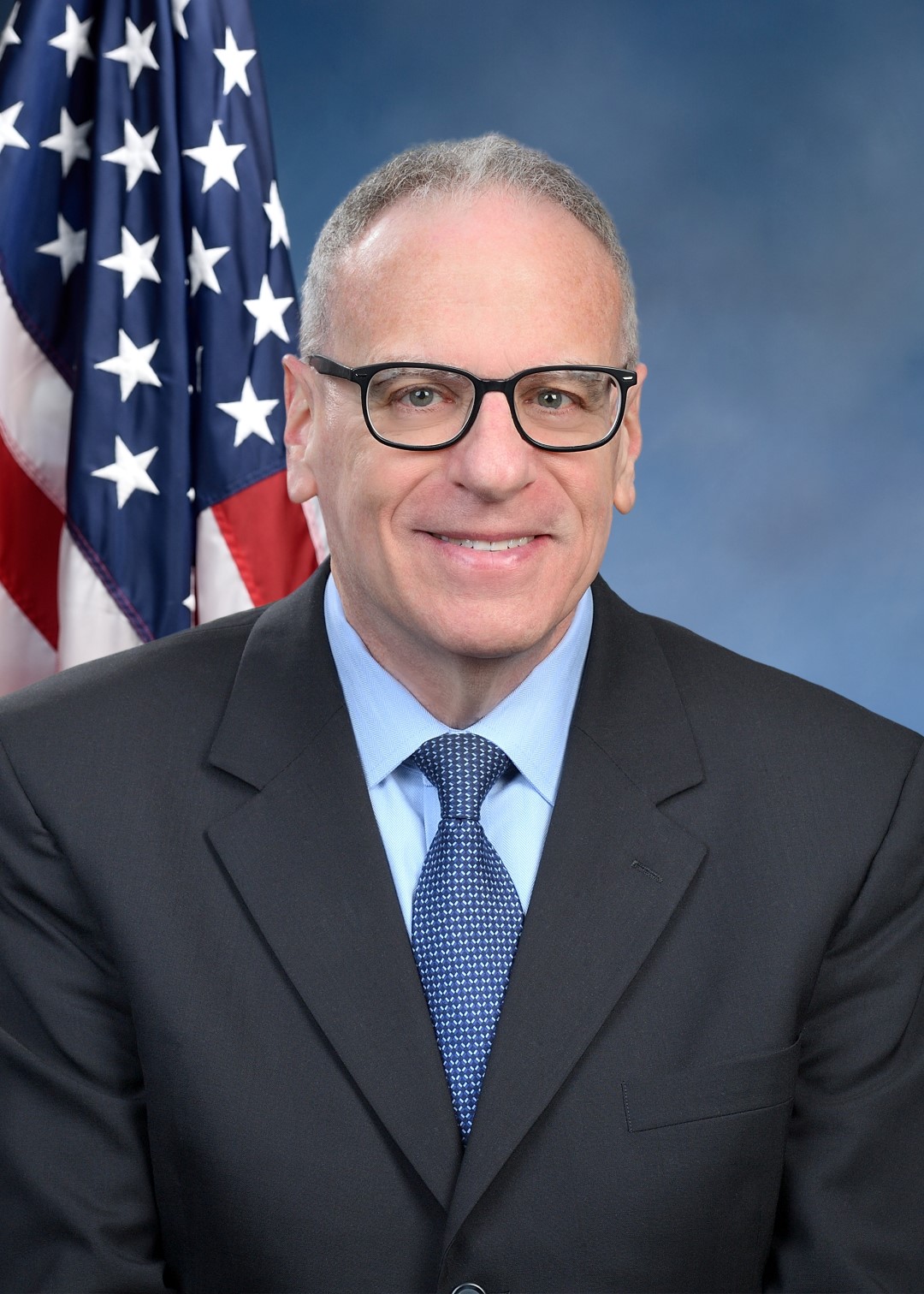
2025 Regular Session Introduced by Jeffrey Dinowitz

Expands survivors’ rights in investigations, requires private, survivor-preferred interviews, and creates a task force to assess and fund improved survivor services statewide.

REFERRED TO GOVERNMENTAL OPERATIONS
0
WeVote Research Nonpartisan
Bill Summary · A 11064

Summary of A.11064 (2025-2026) – Relates to the rights of sexual assault survivors during the investigative process

Purpose and intent

  • Create and protect specific procedural rights for sexual assault survivors during criminal investigations and prosecutions.
  • Establish a dedicated task force to study, assess, and recommend improvements to survivors’ rights and the availability of related services across New York.

Key provisions and changes

Section 642 (Executive Law) – Expanded rights and protections for sexual assault survivors

  • Retains and clarifies broad fair-treatment standards for victims of violent felonies, including those involving physical injury, property loss above $250, etc.
  • Victory for victims in terms of consultation: District Attorneys (DAs) must, where feasible, consult the survivor (or the survivor’s family if the survivor is a minor or if the victim is deceased) regarding:
    • disposition of the criminal case (dismissal, guilty plea, or trial)
    • availability of sentencing alternatives such as community supervision or restitution
  • Privacy and interview settings:
    • Requires private interviewing settings for sexual assault survivors, with enclosed rooms, non-identifiability from outside, and restricted attendees (only essential personnel: interview team, survivor’s legal counsel, a support person, a social worker/rape crisis professional if the survivor consents, and optionally a parent for the victim).
  • Survivor’s right to be interviewed by a law enforcement official of the survivor’s preferred gender; if unavailable, interview by any available officer only with survivor’s consent.
  • Duty to provide the survivor with the contact information for the nearest rape crisis center in writing.
  • Provisions aim to avoid delays or impacts on conviction quality due to failure to obtain views, ensuring smoother judicial proceedings while respecting survivor input.
  • Other provisions (existing law tweaks) relating to witness/employee assistance, notification about rights, and proof of custody of evidence remain consolidated under the expanded framework.
  • Additional procedural details rest on related sections of the executive law and do not appear to create new causes of delay or prejudice to prosecutions beyond requiring survivor input and privacy protections.

New Section 637 – Sexual Assault Survivors Task Force

  • Establishes a Sexual Assault Survivors Task Force to study and evaluate rights and services for sexual assault victims.
  • Composition (up to 15 members): includes the director, a New York survivor, rape crisis center representative, a representative from the State Education Department (victim services), representation from organizations serving communities of color/immigrant communities, representation from LGBTQ+ communities, and other participants as selected by the office.
  • Duties:
    • Develop mechanisms to submit, track, and investigate complaints about handling of sexual assault reports or investigations by agencies or organizations.
    • Assess state-wide needs for survivor services and draft a funded plan if needs exist.
    • Consider whether to maintain the task force after presenting its final report.
  • Funding and compensation: Members do not receive compensation but may recover actual and necessary expenses.
  • Data collection and outreach: Task force will gather data on access to survivor services, access to supportive processes during investigations, and seek feedback from survivors, stakeholders, practitioners, and health care communities to inform best practices or guidelines.
  • Timeline:
    • Final report due within 18 months of the act’s effective date, delivered to key state officials and made publicly accessible on the office’s website.
    • The task force will reconvene every five years in perpetuity (or until it is determined that its provisions have been effectively implemented).

Who would be affected

  • Sexual assault survivors and their families (through expanded rights and protections in investigations and interviews).
  • Law enforcement agencies and district attorney offices (in carrying out private interviewing, survivor-consultation processes, and gender-preferenced interviewing rights).
  • Rape crisis centers and service providers (through required coordination and future planning by the task force).
  • Educational and community organizations serving diverse populations (via representation on the task force and potential service expansions).
  • General public/state government (through the ongoing oversight and periodic re-convening of the task force).

Procedural and timeline aspects

  • Effective date: Immediate upon enactment.
  • Task force timeline: 18-month reporting deadline for initial findings and recommendations; ongoing re-convening every five years thereafter.
  • Public reporting: Final task force report to governor, attorney general, legislative leaders, and posted publicly on the office website.

Overall impact

  • Strengthens survivor-centered approaches in the investigation and charging decisions process.
  • Formalizes privacy protections and supports for survivors during interviews.
  • Creates a structured mechanism to monitor, evaluate, and enhance services for survivors, including potential funding for expanded services based on identified needs.
  • Introduces a multi-stakeholder task force to guide state policy and practice, with ongoing oversight and periodic re-evaluation.

Compiled from official sources — confirm details with the bill’s official record.

Sign in to ask a question.