Summary — Assembly Bill A4612 (1R)
Status & procedural history
- Bill: A4612 (1st Reprint, AHU 2/13/25) — introduced 6/20/2024.
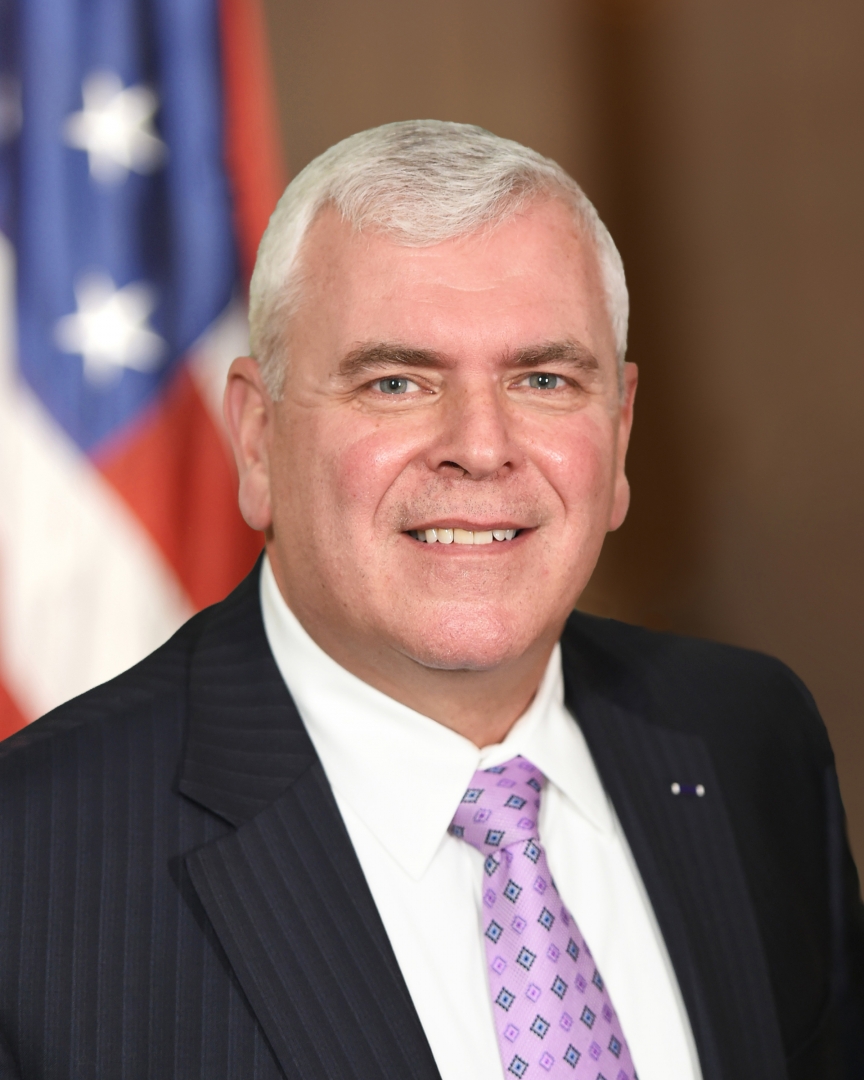
- Sponsors: Asm. John T. McDonald III (primary); cosponsors Nily Rozic and Joe Angelino.
- Committee actions: Referred to Assembly Aging & Human Services (reported with amendments 2/13/2025), then referred to Assembly Appropriations. Also shows referrals to Transportation (record shows multiple Transportation referrals).
- Fiscal estimate issued by the Office of Legislative Services (OLS) on 5/1/2025.
Note on title/content: The header information supplied included a highway maintenance title that does not match the bill text. The bill text and committee reports address Medicaid eligibility resource standards.
Purpose / intent
- To increase resource (asset) eligibility limits for several Medicaid-related, non‑MAGI (non‑Modified Adjusted Gross Income) programs so more low- and moderate-asset individuals and couples can qualify for Medicaid or related benefits.
Key provisions
- Raises medically needy/resource standards to:
- $40,000 for an individual; and
- $60,000 for a couple.
- For households of three or more, the standard increases by $20,000 for each additional person.
- Applies the higher resource limit to:
- Aged, Blind, and Disabled (ABD) Medicaid eligibility group;
- Medically Needy program (including medically needy within ABD);
- Qualified applicants/beneficiaries for the State’s Managed Long‑Term Services and Supports (MLTSS) program; and
- Medicare Savings Programs (e.g., QMB, SLMB, QI).
- Stipulates MLTSS eligibility: applicant’s resources may not exceed 100% of the medically needy resource standard after any community‑spouse resource allocation required by law.
- Directs the Commissioner of Human Services to seek any State Plan Amendments or federal waivers needed to implement the changes, secure federal financial participation, and simplify/redesign redeterminations to reduce administrative burden.
- Committee amendments removed proposed increases to income thresholds; the bill as amended changes only resource limits.
Who is affected
- Older adults, people who are blind or disabled, and other non‑MAGI Medicaid populations who are currently asset‑limited (including those seeking long‑term services or assistance with Medicare costs). Individuals/couples with modest savings above current low limits would potentially become newly eligible.
Fiscal impact (OLS estimate)
- Year 1 (implementation): State Medicaid service expenditures increase by $22.6M–$30.5M; associated federal reimbursement increases by $11.3M–$15.2M; net State cost ~$11.3M–$15.2M.
- Year 2 and beyond: ongoing annual State service cost increase ≈ $315,000; federal reimbursement ≈ $157,500; net State cost ≈ $157,500/year.
- One‑time, indeterminate State administrative/system update costs (federally matchable).
- OLS assumption: initial enrollment growth of ~0.26%–0.35% (≈1,398–1,882 newly eligible enrollees) concentrated in year one; thereafter roughly 19 new enrollees/year.
Other notes
- The resource increases align non‑MAGI Medicaid standards with the State’s current Jersey Assistance for Community Caregiver (JACC) program threshold, per committee materials.
- Federal approval (CMS) is required for some changes; implementation timing would depend on approvals and Department of Human Services system updates.
Related legislation
- Companion/related: S3641, S6732; prior-session bills A8895, A6435, A4865.