

WeVote

Bill

Bill

A 446

Relates to the New York city housing authority and mold remediation

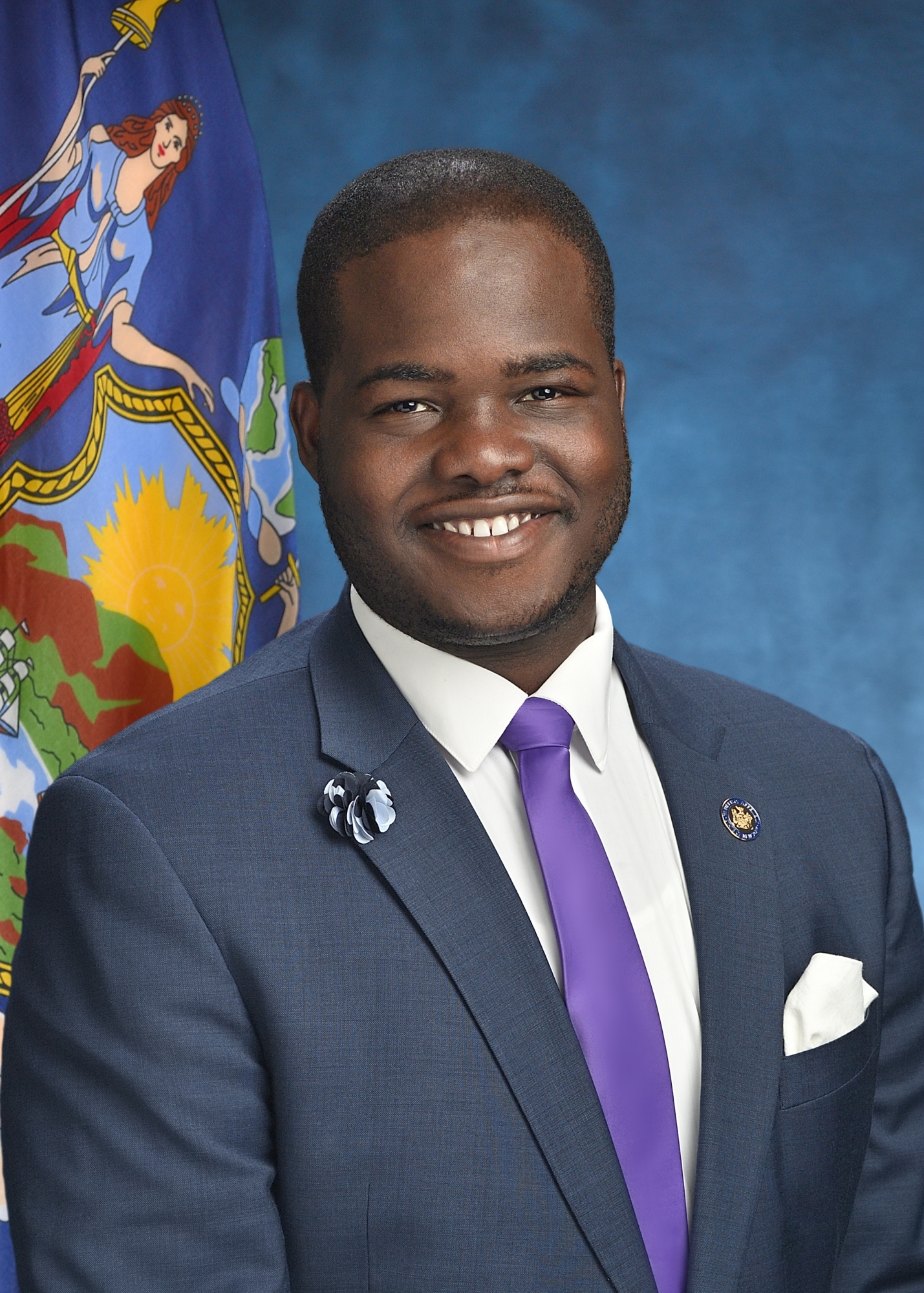
2025 Regular Session Introduced by Khaleel Anderson

Requires NYCHA to improve mold remediation by setting standards, speeding assessments and cleanup, and boosting tenant protections and oversight for residents.

REFERRED TO HOUSING
0
WeVote Research Nonpartisan
Bill Summary · A 446

Summary: Assembly Bill A 446 – Relates to the New York City Housing Authority and mold remediation

Overview

A 446 is a New York Assembly bill introduced on January 8, 2025, with the title indicating it relates to the New York City Housing Authority (NYCHA) and mold remediation. The bill is currently at an early stage and has been referred to the Housing committee. The primary sponsor listed is Khaleel Anderson.

Purpose and intent

  • The title suggests the bill aims to address mold issues within NYCHA housing.
  • Specific goals, requirements, and standards would be detailed in the bill’s text, which is not provided in the summary. Typically, such legislation seeks to improve remediation timelines, establish or strengthen standards for mold prevention and cleanup, and enhance accountability and oversight of NYCHA’s maintenance practices related to mold.

Key provisions (note on availability)

  • The exact provisions of A 446 are not included in the summary provided. As such, the following are indicative areas often addressed in mold remediation-related measures and may appear in this bill or related companion legislation:
    • Standards and timelines for mold assessment and remediation in NYCHA units.
    • Training and requirements for NYCHA maintenance staff or contracted vendors.
    • Tenant notification and protections related to mold conditions and remediation work.
    • Reporting requirements to a state or local oversight body, including periodic public reporting.
    • Funding, appropriations, or reallocation of resources dedicated to mold remediation within NYCHA.
    • Oversight mechanisms, audits, or corrective action plans for persistent mold issues.
  • Readers should consult the final bill text for the precise provisions, processes, and any new or amended statutory sections.

Affected parties

  • Primary: Residents of NYCHA housing who may be affected by mold remediation standards, response times, and communication measures.
  • NYCHA and its contractors or vendors involved in maintenance and remediation work.
  • State or city oversight bodies that monitor housing quality, tenant rights, and public housing administration.

Procedural and timeline aspects

  • Introduced and formally referred to the Assembly Housing Committee on January 8, 2025.
  • Status: Referred to Housing (as of the provided information), indicating consideration by the committee without enactment yet.
  • Related/companion legislation exists in the Senate (S 5200) and multiple prior-session bills (e.g., S 3264, S 6238, S 4521, S 2140; A 6357, A 1661, etc.), suggesting ongoing interest in NYCHA mold remediation across sessions.

Related legislation

  • Companion: S 5200 (Senate)
  • Prior-session bills: S 3264, S 6238, S 4521, S 2140; A 6357, A 1661
  • This pattern indicates broader legislative attention to NYCHA maintenance and mold remediation across houses and sessions.

Next steps for readers

  • Monitor the bill’s text for specific provisions, definitions, and timelines.
  • Track committee sessions and any amendments to understand how the bill would change NYCHA operations and tenant protections.
  • Review the companion Senate bill (S 5200) for parallel language and potential differences between chambers.

This summary reflects the information available from the bill’s introductory notice and status as of the provided dates.

Compiled from official sources — confirm details with the bill’s official record.

Sign in to ask a question.