

WeVote

Bill

Bill

A 3756

Relates to the mandatory age of retirement for judges

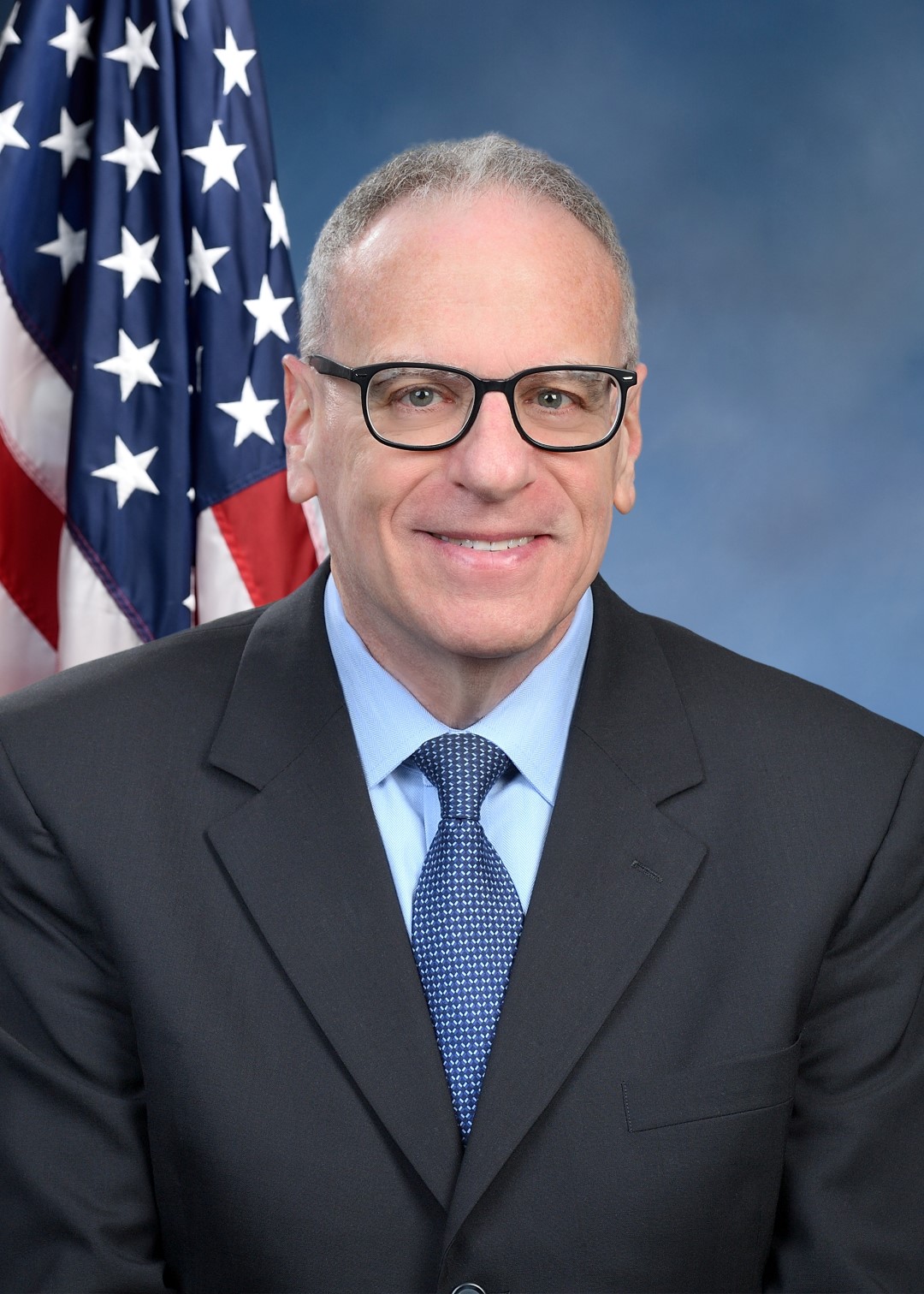
2025 Regular Session Introduced by Jeffrey Dinowitz

Establishes a mandatory retirement age for judges to ensure predictable turnover and open seats for new appointments.

REFERRED TO JUDICIARY
0
WeVote Research Nonpartisan
Bill Summary · A 3756

Summary: Assembly Bill A 3756 — Relates to the mandatory age of retirement for judges

Overview

  • Bill Number: A 3756
  • Title: Relates to the mandatory age of retirement for judges
  • Status: REFERRED TO JUDICIARY
  • Introduced: January 30, 2025
  • Classification: bill
  • Related bill: A 5303 (prior-session)

This bill seeks to address the age at which judges must retire by establishing a mandatory retirement age for members of the judiciary. The actual text would specify the exact age, broader applicability, exemptions, and transition rules, but those details are not included in the provided summary.

Purpose and intent

  • Establish a fixed retirement age for judges to create predictable turnover within the judiciary.
  • Promote ongoing renewal and opportunities for new judicial appointments.
  • Provide a framework for updating or aligning retirement rules across courts and judicial offices, subject to the bill’s specific provisions.

Key provisions (as typically found in mandatory retirement age measures)

Note: The exact language and numbers would come from the final text. Based on the bill’s title and purpose, anticipated or commonly included elements may include:
- A defined mandatory retirement age for judges (e.g., a specific age after which a judge must retire).
- Scope of applicability (which judges are covered: trial court judges, appellate judges, and/or others within the state judiciary).
- Transitional provisions for incumbents (phased implementation, sunset clauses, or exceptions for judges already appointed or serving under certain conditions).
- Procedures for determining retirement eligibility and enforcement (documentation, notification, and process for retirement from active service).
- Potential exemptions or accommodations (for senior or part-time roles, special assignments, or exceptional circumstances as determined by statute or administrative rules).
- Impact on the judiciary’s staffing and vacancy management (how vacancies would be filled and timelines for filling seats).
- Interaction with existing retirement systems or benefits (any alignment with state retirement plans, pensions, or limited post-retirement service rules).

Affected parties and consequences

  • Primary: Judges and judicial officers subject to retirement rules.
  • Secondary: Court administration, public defenders and prosecutors (insofar as caseload management and vacancy planning are affected), the state judicial retirement system, and taxpayers (through potential changes in personnel costs and court staffing).
  • Potential impacts: Increased turnover planning needs, potential shifts in when vacancies occur, and effects on court operations and caseload management.

Procedural/timeline aspects

  • Current status: Referred to the Assembly Judiciary Committee. No further actions are listed in the provided information.
  • If advanced, typical next steps would include committee hearings, potential amendments, floor votes, and alignment with the state legislative calendar. Enactment would ordinarily require passage by both houses and approval by the governor, followed by an effective date and transitional rules.

Notes

  • The exact age threshold, exemptions, and transition specifics depend on the final bill language.
  • The related bill A 5303 from a prior session may contain similar provisions or serve as a companion measure; cross-referencing could provide additional context.

If you can share the bill’s text or specific provisions, I can provide a more precise, line-item-style summary of the mandatory retirement age and any nuanced rules.

Compiled from official sources — confirm details with the bill’s official record.

Sign in to ask a question.