

WeVote

Bill

Bill

A 588

Relates to the former crime of loitering for the purpose of engaging in a prostitution offense and expunges criminal records for persons previously convicted of such crime

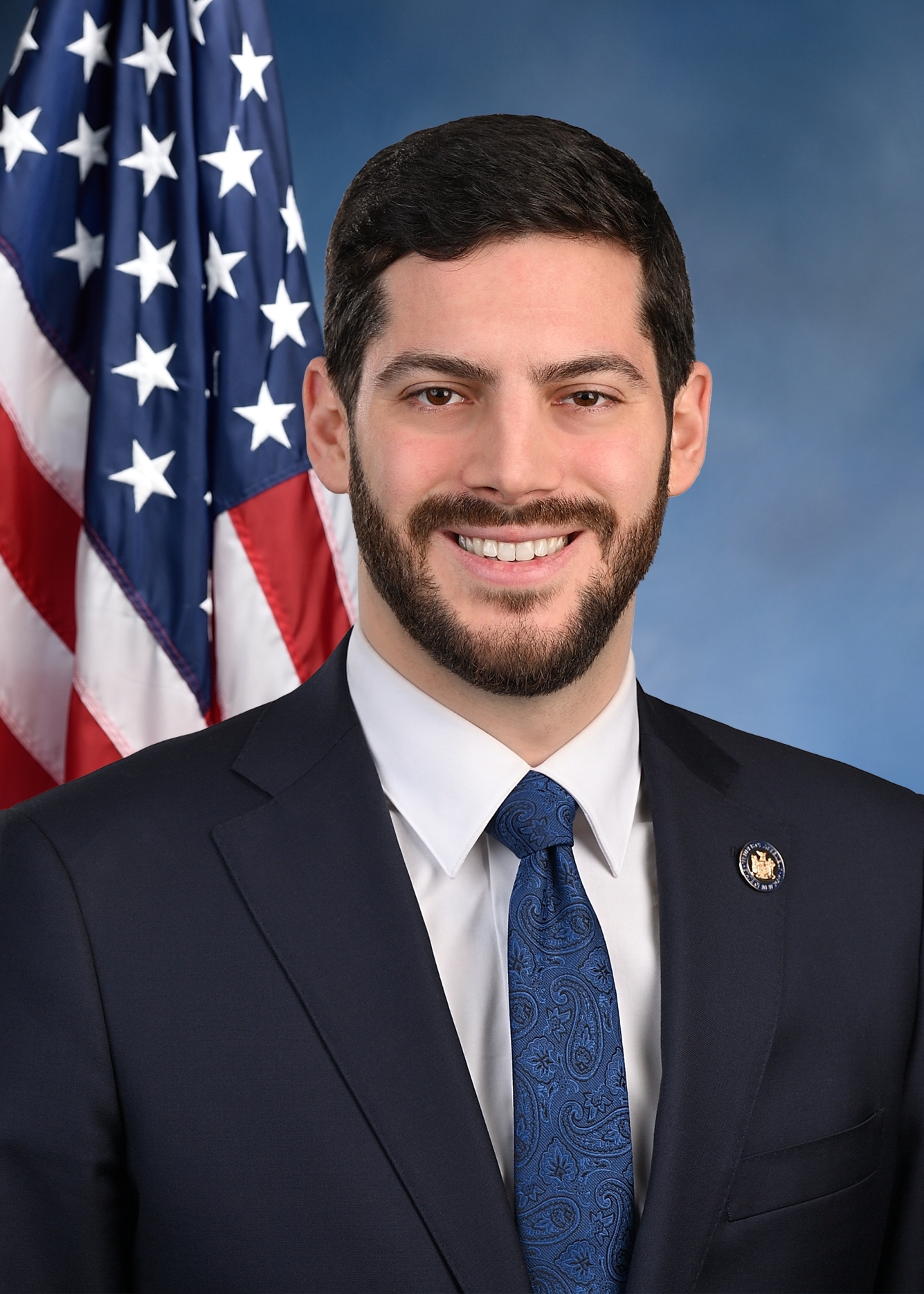
2025 Regular Session Introduced by Alex Bores and 17 co-sponsors

Codifies NJ DOH rules for pharmaceutical services in long-term care facilities and requires consultant pharmacists to attest no conflicts of interest and avoid dual roles.

REFERRED TO CODES
0
WeVote Research Nonpartisan
Bill Summary · A 588

Summary — A588 (1R/2R): Pharmaceutical services in nursing homes / long-term care facilities

Status: Introduced Jan. 9, 2024. Reported from Assembly committees with amendments (May 8, 2025; Nov. 24, 2025). Referred to Assembly Codes. Identical to companion S1965.

Purpose

To codify existing New Jersey Department of Health regulations for pharmaceutical services in nursing homes (expanded in committee drafts to apply to “long-term care facilities”), and to add an explicit, enforceable conflict-of-interest prevention measure for consultant pharmacists who serve those facilities.

Key provisions

  • Scope and definition

    • Initially defined “nursing home”; later committee versions define “long-term care facility” as a facility or distinct part of a facility licensed by the NJ Department of Health as a long-term care facility.
    • “Pharmacist” means a pharmacist licensed under state law (P.L.2003, c.280).
  • Staffing and roles

    • Each facility must have a consultant pharmacist and either a provider pharmacist or, if the facility operates an in‑house pharmacy, a director of pharmaceutical services.
    • A New Jersey-licensed pharmacist must serve as consultant pharmacist or director of pharmaceutical services and comply with federal/state law and standards of practice.
  • Pharmacy & Therapeutics Committee

    • Each facility must maintain an interdisciplinary Pharmacy and Therapeutics (P&T) committee appointed by and reporting to the facility administrator.
    • Committee membership must include at least: the administrator, a nursing staff representative, and the facility’s consultant pharmacist; the medical director provides oversight as needed; a provider-pharmacy pharmacist may be included.
    • Committee must meet at least quarterly and keep records of meetings, attendance, activities, findings, and recommendations.
  • Conflict-of-interest rule for consultant pharmacists

    • The consultant pharmacist must not simultaneously serve as director of pharmaceutical services or the pharmacist provider.
    • The consultant pharmacist must sign an attestation that they do not have an affiliation with the facility’s director of pharmaceutical services or pharmacist provider and must avoid all real or potential conflicts of interest following appointment.
  • Controlled substances

    • If the facility keeps emergency injectable or oral controlled substances on site, it must ensure a current DEA registration and controlled dangerous substance registration for that location is available.
  • Rulemaking and effective date

    • The Commissioner of Health is directed to adopt implementing regulations under the Administrative Procedure Act.
    • The act is written to take effect immediately upon enactment.

Who is affected

  • Long-term care facilities / nursing homes and their administrators (licensing, committee obligations).
  • Pharmacists (consultant pharmacists, provider pharmacists, directors of pharmaceutical services) — licensing compliance, attestation, conflicts-of-interest restrictions.
  • Provider pharmacies that serve facilities.
  • Residents and clinical staff (indirectly — through governance of medication use and oversight).

Procedural / timeline notes

  • Introduced in Assembly Jan. 9, 2024.
  • Referred to Assembly Aging & Human Services Committee; later considered by Assembly Health Committee.
  • Reported with committee amendments (May 8, 2025; Nov. 24, 2025).
  • Referred to Assembly Codes (listed Jan. 8, 2025); companion Senate bill S1965 pending/identical.
  • If enacted, provisions take effect immediately; rulemaking to follow.

Sponsors and related bills

  • Primary sponsor: Assemblymember Amy Paulin. Multiple cosponsors listed (e.g., Jonathan Jacobson, Grace Lee, Jo Anne Simon, Andrew Hevesi, etc.).
  • Companion / related legislation: S1965 (companion), S3040, and prior-session bills A2500 and A9159.

Considerations / likely impact

  • Largely codifies current DOH practice but creates an explicit statutory requirement for consultant pharmacists to attest non‑affiliation and avoid conflicts — strengthening independence/oversight of medication management.
  • Administrative impacts are mainly recordkeeping (committee meetings, attestation) and ensuring DEA/CDS registrations where controlled substances are stored.

Compiled from official sources — confirm details with the bill’s official record.

Sign in to ask a question.