

WeVote

Bill

Bill

A 4118

Relates to the certification of innovative statewide substance use disorder treatment services

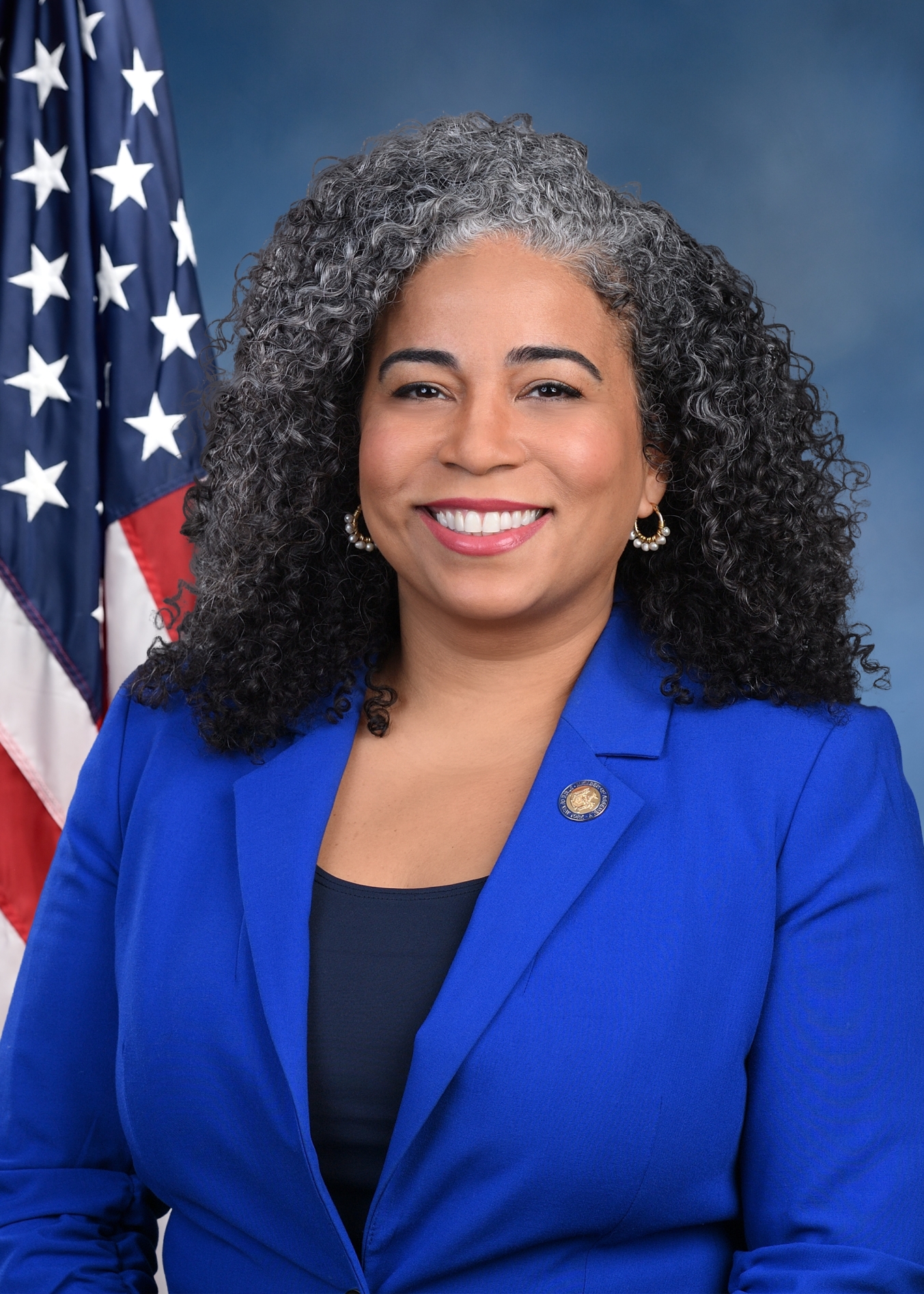
2025 Regular Session Introduced by Karines Reyes

Sets enforceable statewide targets to cut organic waste disposal by 50% in 7 years and 75% in 12 years, with DEP rules, phased generator compliance, and grants/loans.

REFERRED TO MENTAL HEALTH
0
WeVote Research Nonpartisan
Bill Summary · A 4118

Summary — A4118

Title: Relates to the certification of innovative statewide substance use disorder treatment services (Note: bill content concerns organic waste reduction)
Status: Referred to Mental Health; reported out of Assembly Environment, Natural Resources, and Solid Waste Committee with amendments (5/8/2025)
Introduced: April 4, 2024
Primary sponsor: Asm. Karines Reyes
Companion: S203 (and others)

Main purpose

A4118 establishes enforceable Statewide targets and a regulatory framework to dramatically reduce disposal of organic waste in New Jersey landfills. The bill directs the Department of Environmental Protection (DEP) to adopt regulations, create phased compliance for generators, support edible food recovery, assess infrastructure readiness, and provide financial assistance to expand organics processing.

Key provisions and requirements

  • Statewide reduction targets (from a DEP‑determined baseline year):
    • 50% reduction in organic waste disposal by January 1 of the 7th year after enactment.
    • 75% reduction by January 1 of the 12th year after enactment.
  • DEP rulemaking:
    • Adopt regulations within 18 months of enactment to achieve targets.
    • Rules may require local governments to impose requirements on generators and authorize reasonable local penalties.
    • Regulations must (among other items):
    • Require phased recovery of edible food: target recovery of 5% of excess/edible food by year 7, 10% by year 9, 15% by year 11, and 20% by year 13 (relative to baseline).
    • Prohibit landfill disposal of organic waste by generators subject to the phased compliance schedule (timeframes set by DEP).
    • Provide a two‑year grace period after any new rule’s effective date during which penalties will not be imposed if good‑faith efforts to comply are shown.
    • Adopt standards and best practices to minimize contamination in source‑separated organics.
    • DEP to adopt enforcement regulations within 18 months (notice, remedy period, hearings/appeals).
  • Phased compliance for generators:
    • DEP to develop tiered compliance schedule based on quantity generated. Initial phase applies to generators producing more than 2 tons of organic waste per week; additional thresholds and dates to be set by DEP.
  • Local government authority and fees:
    • Local governments may charge reasonable fees to recover costs (collection, transport, processing, education, administration). Where practicable, fees should be variable and proportional to waste quantity/volume.
  • Financial and technical support:
    • DEP to establish grants/low‑interest loan program for counties, municipalities, nonprofits and private entities involved in collection, processing, and recovery of organic waste; DEP to set eligibility and uses.
  • Assessments and reports:
    • DEP must publish a Statewide Organic Waste Infrastructure Readiness Assessment within 12 months of the bill’s effective date (capacity, gaps, permitting obstacles, recommendations).
    • DEP must report to the Governor and Legislature by July 1, 2027, and biennially thereafter on progress toward targets.
  • Recycling centers:
    • By Dec. 31, 2025, DEP may not require recycling centers that process Class C recyclable material to operate within enclosed structures and must adopt performance‑based standards for odor, leachate, and vector control consistent with national best practices.

Who is affected

  • Generators of organic waste (commercial, institutional, industrial, residential entities).
  • Local governments (responsible for collection systems, fees, enforcement).
  • Haulers, recycling centers, composting/anaerobic digestion facilities and the organics processing sector.
  • DEP (rulemaking, oversight, grant/loan administration).
  • Entities involved in edible food recovery (food banks, nonprofits).

Enforcement, penalties, and protections

  • DEP may assess civil penalties proportionate to violations; penalties can be waived or reduced for good‑faith compliance efforts.
  • Two‑year penalty grace period tied to new rules for entities demonstrating good‑faith efforts.

Timeline highlights

  • DEP regulations: within 18 months of enactment.
  • Infrastructure readiness assessment: within 12 months of enactment.
  • Biennial progress reporting: first report due July 1, 2027; every two years thereafter.
  • Phased generator prohibitions and edible food recovery targets staged over 7–13 years (relative to enactment baseline).

Notes

  • Committee amendments added legislative findings, definitions, updated the baseline approach (DEP‑determined), phased edible‑food recovery percentages and expanded programmatic details (grants/loans, contamination controls, phased generator prohibitions, two‑year grace period).
  • A4118 complements existing State food waste law (P.L.2017, c.136) and aims to operationalize those goals with enforceable diversion targets and infrastructure support.

Compiled from official sources — confirm details with the bill’s official record.

Sign in to ask a question.