

WeVote

Bill

Bill

A 2654

Relates to the age of persons eligible for a sentence of life imprisonment without parole

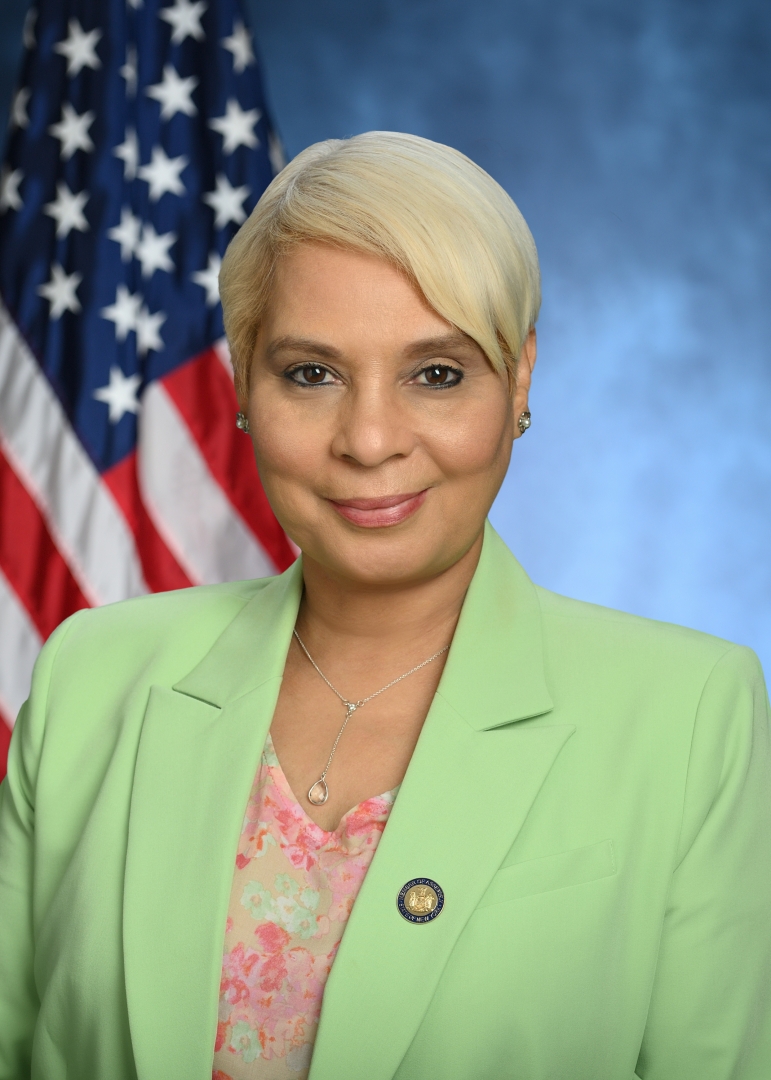
2025 Regular Session Introduced by Maritza Davila and 1 co-sponsor

A 2654 shifts age-based eligibility for life without parole, redefining who can be sentenced to LWOP and affecting judges, prosecutors, and defense strategies.

REFERRED TO CODES
0
WeVote Research Nonpartisan
Bill Summary · A 2654

Summary of Assembly Bill A 2654

Overview

  • Bill: A 2654
  • Title: Relates to the age of persons eligible for a sentence of life imprisonment without parole
  • Purpose (as indicated by title): The bill would modify the age-based eligibility for a sentence of life imprisonment without parole (LWOP). The exact age thresholds and provisions are not provided in the information available here, but the intent is to change who can be sentenced to LWOP based on age.

Legislative Status and Actions

  • Introduced: January 21, 2025
  • Current status: REFERRED TO CODES (Assembly Standing Committee on Codes)
  • Legislative actions recorded: 2025-01-21 — Referred to Codes
  • Related/companion measures:
    • A 9016 (prior-session)
    • S 3806 (companion)
    • Note: Companion bills typically pair Assembly and Senate versions of the same policy proposal.

What the bill would change (Key Provisions to look for in the text)

  • The core change is expected to involve the age requirements for LWOP eligibility. The bill would authorize, restrict, or specify the minimum or maximum age (or age-related criteria) under which a defendant can be sentenced to life imprisonment without the possibility of parole.
  • Other related elements that may appear (not specified here but commonly accompanying such measures):
    • Whether age is assessed at the time of offense, sentencing, or at a later stage (e.g., after a direct appeal or clemency consideration).
    • Provisions addressing juveniles or young adults, if applicable (e.g., difference between age 18 and younger, or 21 and younger thresholds).
    • Potential exceptions or aggravating factors that could still justify LWOP in certain cases.
    • Prospective vs. retroactive application (i.e., whether changes apply to cases pending on enactment or only to future cases).

Who/What would be affected

  • Defendants and offenders: Individuals charged with or convicted of offenses qualifying for LWOP would be directly impacted by the change in age eligibility.
  • Prosecutors and defense attorneys: Case strategy and sentencing considerations would be affected based on the new age criteria.
  • Judges: Sentencing decisions would rely on the updated eligibility rules.
  • Juvenile/young-adult justice considerations: If the bill addresses age-related protections, it could influence how the state handles juvenile or young-offender cases in LWOP determinations.

Procedural and Timeline Aspects

  • The bill has been introduced and assigned to the Codes committee, indicating it is in the early stages of the legislative process.
  • As a Codes referral, the bill will be reviewed for legal and statutory alignment, with potential amendments, hearings, and votes to follow.
  • Next steps include passage by the Assembly, consideration by the Senate (via its companion S 3806), and potential reconciliation between chambers.

Additional context and next steps for readers

  • For precise provisions, read the bill text and any fiscal notes or committee reports.
  • Track sponsor information, hearing dates, and amendments in the Codes committee.
  • Review the companion Senate bill (S 3806) to understand parallel changes and potential cross-chamber alignment.
  • Consider related policy context, including constitutional and juvenile justice implications, and how the changes align with existing case law and prior-session activity (A 9016).

Compiled from official sources — confirm details with the bill’s official record.

Sign in to ask a question.