

WeVote

Bill

Bill

A 411

Relates to screening for gifted and talented students

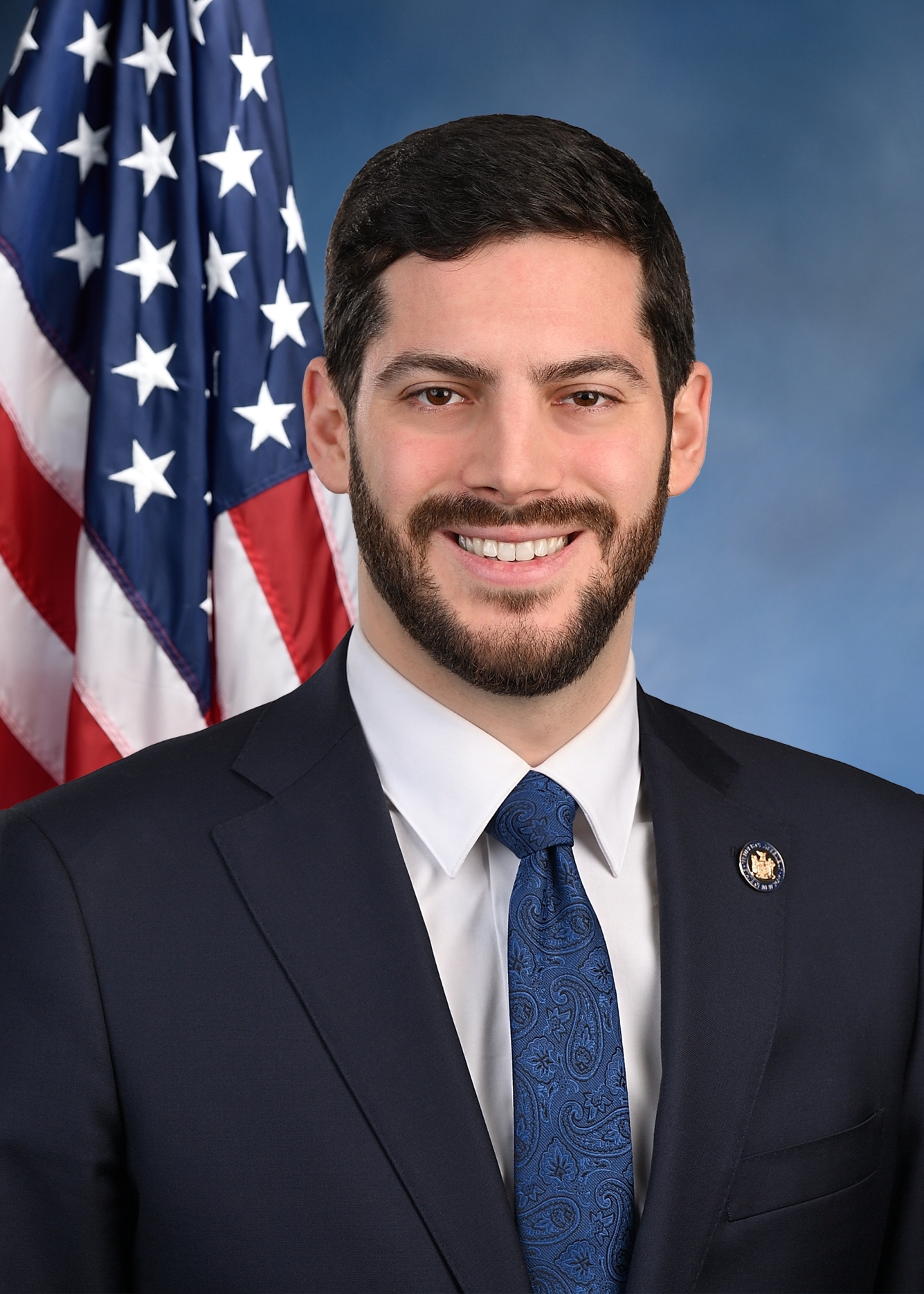
2025 Regular Session Introduced by Alex Bores and 3 co-sponsors

Standardizes multi-measure screening to identify gifted and talented students, improving access and equity to gifted programs for students, families, and districts.

REFERRED TO EDUCATION
0
WeVote Research Nonpartisan
Bill Summary · A 411

Summary of Bill A 411 — Relates to Screening for Gifted and Talented Students

Overview

  • Bill Number: A 411
  • Title: Relates to screening for gifted and talented students
  • Status: Referred to Education
  • Introduced: January 8, 2025
  • Primary Sponsor: Nily Rozic
  • Cosponsors: Rebecca Seawright, Alex Bores, Jen Lunsford
  • Related companion: S 2452 (Senate)

What the bill is about (purpose and intent)

Based on the title, A 411 is intended to address the screening process for identifying gifted and talented (GT) students within the state. The bill’s placement in the Education Committee suggests a focus on establishing or modifying procedures used by schools to determine which students qualify as gifted and talented.

Key provisions (availability and specifics)

  • The exact text and provisions of A 411 are not provided here. As a result, the specific requirements, criteria, and mechanics of the screening process are not enumerated in this summary.
  • In bills of this type, typical provisions (not stated for A 411) often include:
    • Establishing standardized criteria or a multi-measure approach for GT identification (e.g., test scores, performance rubrics, teacher observations).
    • Requirements for screening timelines (e.g., annual or periodic screening) and who conducts it (schools, districts, or a state agency).
    • Procedures to address equity and minimize bias (e.g., use of multiple indicators, culturally responsive practices).
    • Parental notification and consent provisions.
    • Data privacy and reporting obligations.
    • Funding or resource implications for districts (training, assessments, program expansion).
  • If you need exact provisions, they would be found in the full text of the bill or its amended versions.

Who would be affected

  • Students: Potential GT identification, supports, and programming if identified.
  • Schools and Districts: Implementation of screening procedures, training, data collection, reporting, and potential program changes.
  • Parents/Guardians: Notification and involvement in the identification process.
  • Educators: Training and alignment with screening criteria and GT programming.

Procedural and timeline considerations

  • Current stage: Referred to Education (as of January 8, 2025), indicating movement within the bill’s committee process toward potential amendments and floor consideration.
  • Next steps: Likely committee reviews, potential hearings, possible amendments, and eventually floor votes in the Assembly. If passed, the bill would move to the Senate (or be subject to companion legislation in that chamber, S 2452) for consideration.

Related legislation

  • Companion: S 2452 (Senate)
  • Prior-session related bills include A 10197, A 2240, A 410, A 672 — suggesting ongoing interest in GT screening across sessions.

Potential impact and considerations

  • If enacted, the bill could formalize or enhance how districts screen for giftedness, with implications for equity, resource allocation, and program access for students who are underrepresented in GT programs.
  • Key questions for stakeholders: What criteria and measures will be used? How will districts be supported financially and with training? How will privacy and parental rights be safeguarded?

Note: For a precise understanding of A 411’s provisions and obligations, the full bill text and any fiscal notes or amendments should be reviewed.

Compiled from official sources — confirm details with the bill’s official record.

Sign in to ask a question.