

WeVote

Bill

Bill

A 7850

Relates to requiring memorization of multiplication tables as part of the basic education program

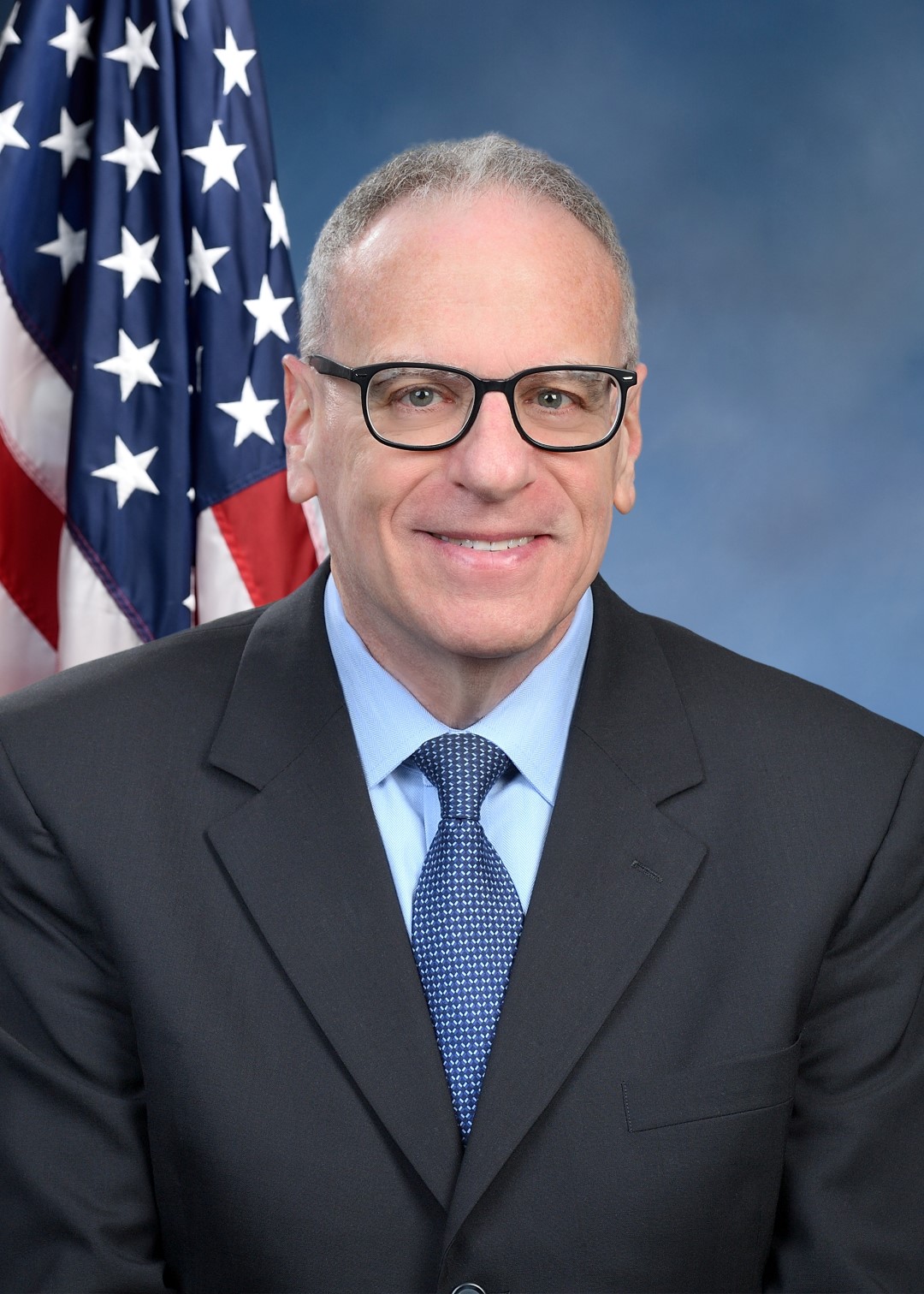
2025 Regular Session Introduced by Jeffrey Dinowitz

Mandates memorization of multiplication tables in the basic education program, shaping curricula, assessments, and instruction for students, teachers, and districts.

REFERRED TO EDUCATION
0
WeVote Research Nonpartisan
Bill Summary · A 7850

Summary of Bill A 7850

Overview

Bill A 7850, titled Relates to requiring memorization of multiplication tables as part of the basic education program, introduces a mandate that students in the basic education program memorize multiplication tables. The bill is currently in the REFERRED TO EDUCATION posture in the legislative process. The primary sponsor is Assembly Member Jeffrey Dinowitz. The introduction date is April 11, 2025.

Status and Procedural Details

  • Status: Referred to Education
  • Introduction date: April 11, 2025
  • Legislative actions recorded: two entries noting “REFERRED TO EDUCATION” on April 11, 2025
  • Sponsor: Jeffrey Dinowitz (primary)

Note: The available information does not include the full text of the bill, its detailed provisions, or a timetable for passage. The typical next steps would involve committee consideration (Education committee), potential amendments, and floor votes, with a possible effective date to be specified in the bill or enacted later.

Purpose and Intent

  • The central aim is to formalize memorization of the multiplication tables as a component of the basic education program.
  • The measure signals a policy preference that rapid recall of multiplication facts is an essential foundational skill in mathematics education.

Key Provisions (Based on the Title)

  • Require memorization of multiplication tables as part of the basic education program.
  • Establish this memorization as a standard or requirement within the state’s educational framework.

Note: Specifics such as which grades are affected, the exact standards or mastery thresholds, assessment methods, exceptions or accommodations, timelines for implementation, and funding or enforcement mechanisms are not provided in the available information.

Impact and Stakeholders

  • Students: Potential requirement to achieve mastery of multiplication facts, influencing study practices and assessment.
  • Teachers: Likely need for curriculum alignment, instructional time, and possible professional development to implement memorization standards.
  • School districts: Implications for curriculum planning, scheduling, and resource allocation.
  • State education department: Responsible for defining standards, overseeing implementation, and reporting on progress and compliance.

Considerations and Questions

  • What grade levels would the memorization requirement apply to, and what constitutes “mastery”?
  • Will accommodations be provided for students with learning differences?
  • How will assessment be conducted (formative/summative, frequency, and thresholds)?
  • What funding, if any, is allocated to support implementation (materials, training, testing)?
  • Is there a phased implementation timeline or transitional provisions?

If you’d like, I can incorporate the full text and any amended language once it becomes available to provide a more precise and detailed synthesis.

Compiled from official sources — confirm details with the bill’s official record.

Sign in to ask a question.