

WeVote

Bill

Bill

A 91

Relates to requiring high-sugar beverages to be labeled with a safety warning

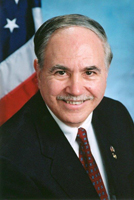
2025 Regular Session Introduced by William Colton and 11 co-sponsors

Requires safety warnings on high-sugar beverage labels to inform consumers, shaping purchases and forcing compliance by manufacturers, distributors, and retailers.

REFERRED TO CONSUMER AFFAIRS AND PROTECTION
0
WeVote Research Nonpartisan
Bill Summary · A 91

Summary: New York Assembly Bill A 91 – Safety Warning Label for High-Sugar Beverages

Overview

A 91, introduced January 8, 2025, would require high-sugar beverages to bear a safety warning on their labeling. The bill is currently REFERRED to the Committee on Consumer Affairs and Protection. The legislative package includes a broad group of sponsors and has several related and companion bills from prior sessions.

Purpose and Intent

  • Promote consumer awareness of potential health risks associated with high-sugar beverages.
  • Use labeling as a tool to inform purchasing decisions and potentially influence consumption patterns.
  • Enhance consumer protection by ensuring warnings appear on products categorized as high-sugar.

Key Provisions (What the Bill Would Do)

  • Require safety warnings on the labeling of beverages deemed “high-sugar” under the bill’s definition.
  • Specify that the warning language, appearance, placement on packaging, and any related requirements would be defined within the text of the bill.
  • Establish enforcement mechanisms and penalties (details to be set in the bill text).
  • Potentially include provisions on compliance timelines, applicability to manufacturers/distributors/retailers, and any exemptions (e.g., for small businesses or certain product categories). Note: the exact thresholds and language are not provided in the summary data.

Definitions and Thresholds

  • The bill would define what constitutes a “high-sugar beverage.” The precise criteria (e.g., sugar content thresholds, serving size, or other metrics) are not specified in the available information and would be outlined in the bill’s full text.

Who Would Be Affected

  • Beverage manufacturers, distributors, and retailers that market beverages meeting the “high-sugar” definition.
  • State and local regulatory and enforcement agencies responsible for compliance and enforcement.
  • Consumers, who would receive a standardized safety warning with purchases of affected beverages.

Procedural and Timeline Aspects

  • Introduction date: January 8, 2025.
  • Current status: Referred to the Committee on Consumer Affairs and Protection (two identical reference actions noted on the same date).
  • Next steps would typically include committee hearings, potential amendments, and votes before advancing to floor consideration.

Sponsors and Related Legislation

  • Primary sponsor: Jeffrey Dinowitz.
  • Cosponsors include: Jo Anne Simon, Chantel Jackson, Linda Rosenthal, Amanda Septimo, Deborah Glick, William Colton, Rebecca Seawright, Phil Steck, Steven Raga, Karines Reyes, Anna Kelles.
  • Related Bills (prior sessions): A 2320, A 10172, A 5239, A 2473, A 1000, A 685.
  • Senate companion: S 2087 (listed as a companion bill).

Potential Impacts and Considerations

  • Public Health: Potential to increase consumer awareness and influence beverage choices.
  • Economic: Compliance costs for manufacturers and retailers; potential impact on product labeling workflows.
  • Implementation: Clarity on the exact definition of “high-sugar” and on warning language will be critical to practical implementation.
  • Legal/Administrative: Enforcement framework and penalties would shape effectiveness and business impact.

Next Steps for Readers

  • Monitor committee progress in the Consumer Affairs and Protection committee for hearings, amendments, and potential passage.
  • Review the full text of A 91 when available to understand the precise definitions, warning language, compliance dates, and enforcement details.

Compiled from official sources — confirm details with the bill’s official record.

Sign in to ask a question.