

WeVote

Bill

Bill

A 1036

Relates to referrals for child support enforcement for foster care maintenance payments

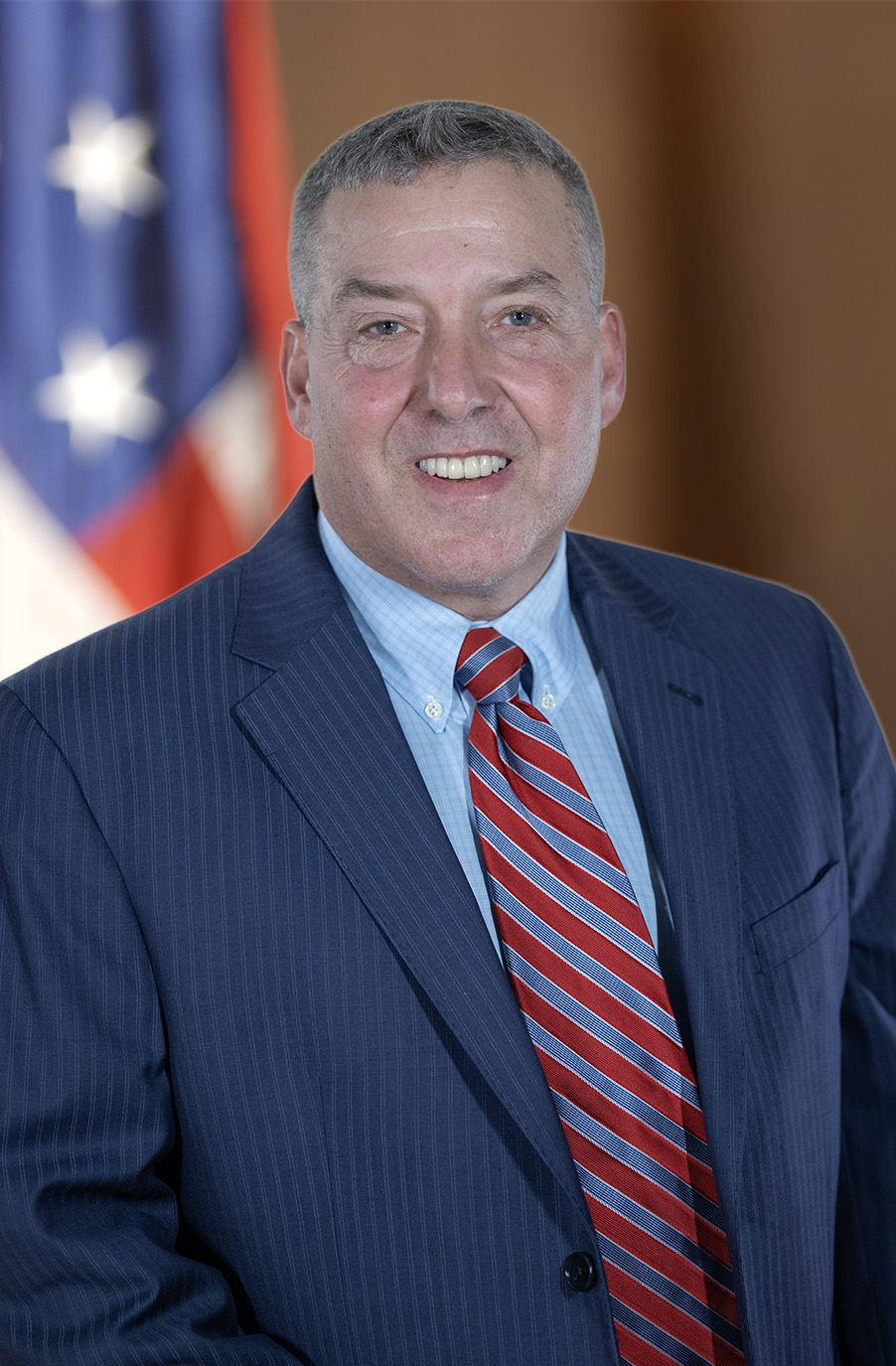
2025 Regular Session Introduced by Scott Bendett and 5 co-sponsors

Requires foster care programs to refer maintenance payments to child support enforcement, boosting recovery of owed support and clarifying agency duties.

REFERRED TO JUDICIARY
0
WeVote Research Nonpartisan
Bill Summary · A 1036

Summary: Assembly Bill A 1036 – Relates to referrals for child support enforcement for foster care maintenance payments

Overview

  • Bill Number: A 1036
  • Title: Relates to referrals for child support enforcement for foster care maintenance payments
  • Status: Referred to Judiciary (as of January 8, 2025)
  • Introduced: January 08, 2025
  • Classification: bill

Sponsors

  • Primary sponsor: Ron Kim
  • Cosponsors: Scott H. Bendett, Andrew Hevesi, Jaime R. Williams, Tony Simone, Phil Steck

Related Bills

  • Companion: S 3660 (Senate)
  • Prior-session: A 4027
  • Note: A companion bill exists in the Senate (S 3660), indicating parallel consideration across chambers.

Purpose and Intent

  • The bill, by its title, aims to address referrals for child support enforcement in the context of foster care maintenance payments. While the text is not provided in the materials, the intended purpose appears to be enhancing or clarifying how child support enforcement processes engage with payments made for foster care maintenance, potentially to ensure that appropriate child support obligations are identified and pursued where applicable.

Key Provisions (Not Yet Publicly Textual)

  • The specific statutory changes are not included in the provided materials. Typical provisions in this policy area might include:
    • Requiring state/local agencies to make referrals to child support enforcement for cases involving foster care maintenance payments.
    • Defining when referrals must be made and what information must be shared between foster care programs and child support agencies.
    • Procedures for coordinating enforcement actions while protecting confidentiality and data privacy.
    • Roles and responsibilities of relevant agencies, streamline processes, and timelines for referrals.
  • Because the actual bill language is not provided, the precise changes, enforcement mechanisms, and any fiscal implications remain to be seen.

Who Would Be Affected

  • Foster care agencies and providers: Potentially required to initiate or process referrals to child support enforcement.
  • Child support enforcement agencies: Would receive referrals and act on them under the bill’s framework.
  • Parents/guardians of foster children: May have child support obligations pursued or clarified as part of foster care maintenance arrangements.
  • Foster youth and families: Impacts could include changes in how payments and recoveries are handled.

Procedural and Timeline Aspects

  • Current status in committee: Referred to Judiciary, indicating the bill is at an early stage and awaiting committee consideration, potential hearings, and amendments.
  • Next steps: If advanced, the Judiciary committee may review, amend, and report the bill back to the floor for consideration. Given the companion S 3660, progress in the Senate may influence cross-chamber alignment.

Impact and Takeaway

  • This bill signals a focus on aligning foster care maintenance payments with child support enforcement processes. If enacted, it could streamline referrals between foster care systems and child support agencies, potentially improving recovery of child support in cases related to foster care, and clarifying responsibilities across agencies. The exact impact will depend on the final text, including definitions, procedures, and any associated costs or savings.

Compiled from official sources — confirm details with the bill’s official record.

Sign in to ask a question.