Summary — A.7363 (2025): "Relates to protecting the communication rights of individuals with disabilities"
Status: Delivered to Senate (Passed Assembly 6/13/2025)
Introduced: March 25, 2025
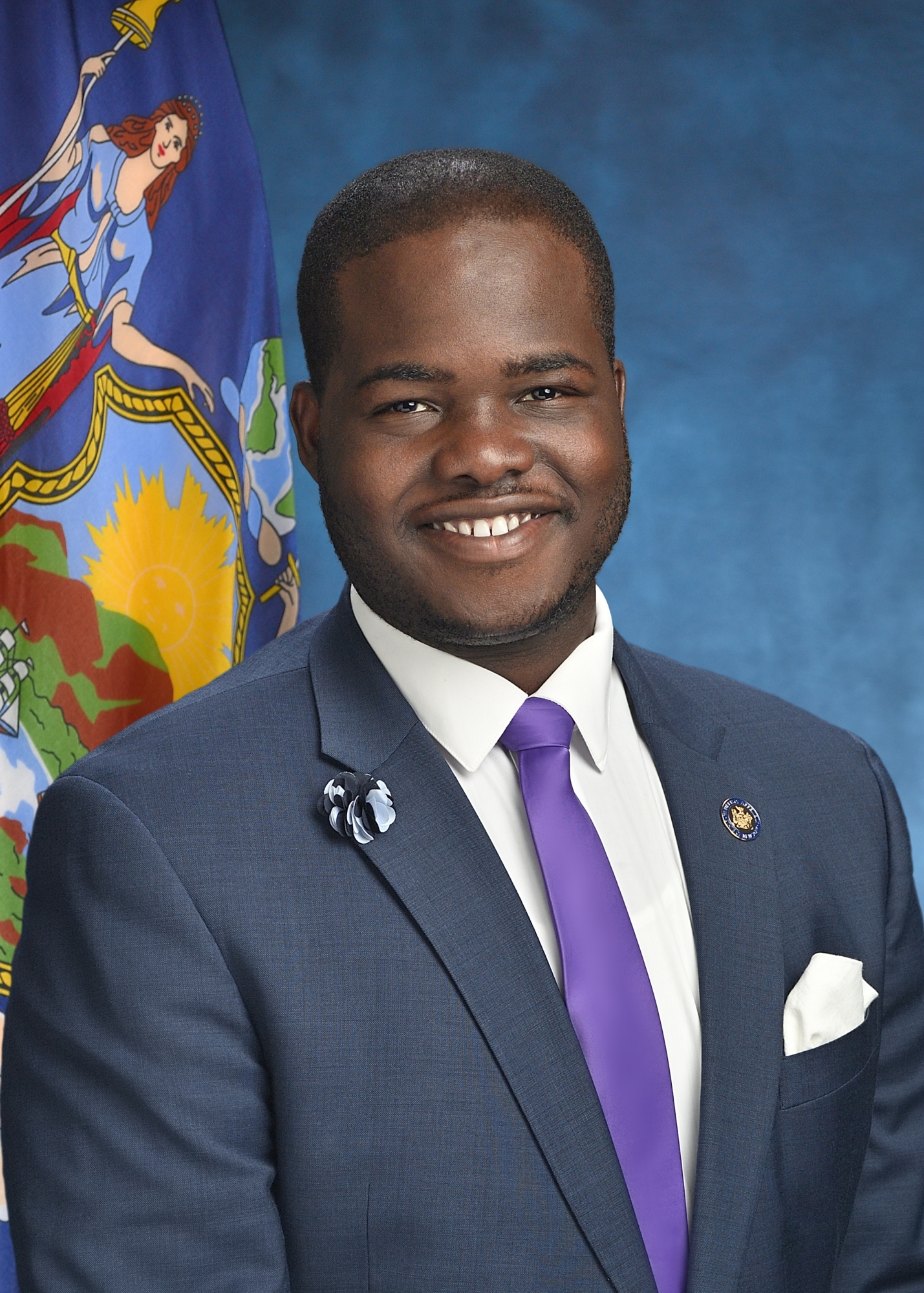
Primary sponsor: Assemblymember Angelo Santabarbara (multiple cosponsors)
Companion bill: S.7792
Note on source material
- The file versions provided (7363A/7363B/7363C) appear as embedded PDF data but the substantive bill text was not extractable from the materials supplied. The summary below therefore distinguishes between (A) what the bill’s title and legislative history make clear and (B) likely/typical provisions based on the title and common legislative practice. If you can provide the bill text or a public bill link, I can produce a definitive, clause-by-clause summary.
Purpose / intent
- The bill’s stated goal (from its title) is to protect the communication rights of individuals with disabilities. That generally means ensuring people with disabilities have meaningful access to information and services through appropriate communication supports and accommodations.
Key elements likely included (based on title and typical legislative approaches)
- Definitions: clear definitions of “communication access,” “auxiliary aids and services,” and who qualifies as an individual with a disability for purposes of the law.
- Requirement for public entities and providers: obligations for state agencies, schools, health-care providers, courts, and other public-facing entities to provide appropriate communication aids (e.g., sign language interpreters, captioning, augmentative and alternative communication (AAC) devices, plain-language materials).
- Non-discrimination standard: prohibition on denying services or taking adverse actions because a person requires communication support.
- Procedural protections: notice and reasonable-timeliness requirements, advance-request processes, and obligations to provide emergency/short-notice accommodations.
- Enforcement and remedies: administrative complaint processes, possible civil remedies, referrals to the State Office for People With Developmental Disabilities or similar enforcement offices, and potential penalties for noncompliance.
- Training and compliance: requirements for training staff on communication access and periodic compliance reporting.
- Funding and implementation: provisions authorizing or directing appropriations, reimbursement mechanisms, or grant programs to support provision of services (if included).
Who would be affected
- Individuals with disabilities who require communication supports (people who are deaf/hard-of-hearing, blind/low-vision, have speech or cognitive-communication disabilities, or use AAC).
- State and local agencies, public schools, health care providers, courts and other public service providers required to provide accommodations.
- Interpreters, captioning vendors, and assistive-technology suppliers (increased demand and standards).
Legislative timeline / procedural notes
- Referred to People with Disabilities Committee: 2025-03-25
- Print number 7363A and recommitted with amendments: 2025-04-30
- Amended on third reading (versions B and C): 2025-05-14 and 2025-06-09
- Reported to Rules; ordered to third reading and passed Assembly: 2025-05-13 & 06-13-2025
- Delivered to Senate: 2025-06-13 — next steps: Senate committee consideration, potential amendments, and floor action.
If you want a precise, point-by-point summary or an analysis of fiscal/administrative impacts, please provide the bill text or a link to the legislative site for A.7363 (2025) and I will produce a detailed, clause-level summary.