

WeVote

Bill

Bill

A 3543

Relates to prohibiting valuable consideration in exchange for human eggs

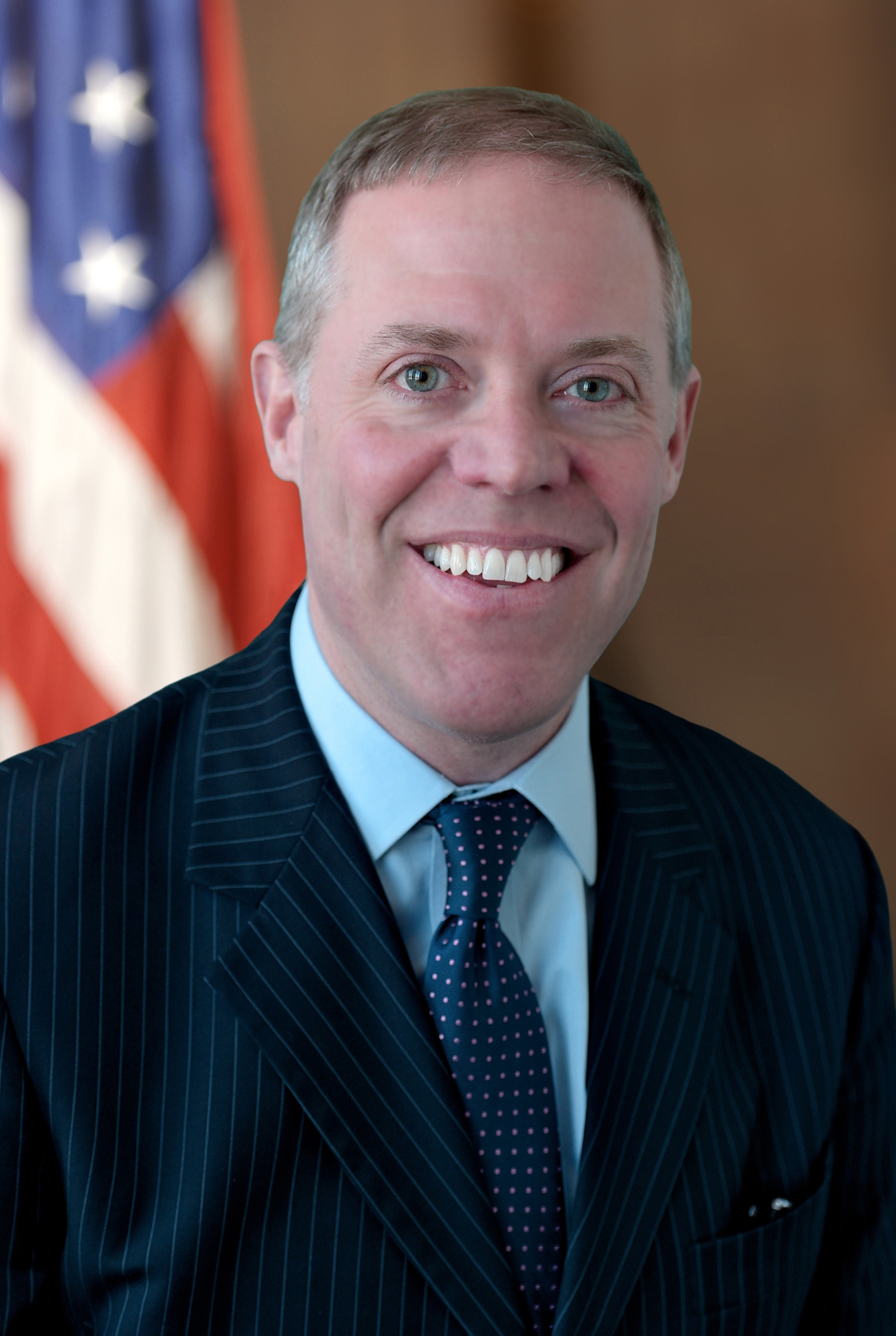
2025 Regular Session Introduced by Will Barclay and 5 co-sponsors

Bars paying for eggs: prohibits valuable consideration in egg donation, aiming to curb commodification, protect donors, and require clinics to adjust policies.

REFERRED TO HEALTH
0
WeVote Research Nonpartisan
Bill Summary · A 3543

Summary of New York Assembly Bill A 3543

Snapshot

  • Bill number: A 3543
  • Title: Relates to prohibiting valuable consideration in exchange for human eggs
  • Status: REFERRED to Health
  • Introduced: January 28, 2025
  • Primary sponsor: Michael J. Fitzpatrick
  • Cosponsors: William A. Barclay, Edward Ra, Angelo J. Morinello, Joe DeStefano, Karl Brabenec
  • Related bills (prior sessions): A 6583, A 3408, A 9412, A 7669, A 5860, A 5608, A 4295

Purpose and intent

The bill aims to prohibit the offering, receipt, or exchange of valuable consideration in connection with the donation or procurement of human eggs. In practical terms, it seeks to prevent the commercial sale or purchase of human eggs, or payments framed as “valuable consideration,” to reduce incentives that could lead to exploitation, coercion, or commodification of human reproductive material.

Key provisions (as described by title and summary)

  • Prohibition on valuable consideration: The core concept is to ban payments or other valuable benefits tied to obtaining human eggs.
  • Scope likely includes: The act of offering or accepting payment for eggs, and arrangements that compensate egg donors beyond allowable reimbursements (the exact definitions and permissible reimbursements would be detailed in the full text).
  • Enforcement and penalties: While not specified in the summary, such bills typically establish penalties for violations and designate a state agency (often the Department of Health) to enforce provisions.
  • Definitions: The bill would define terms such as “valuable consideration,” “human eggs,” and related terms to ensure clarity of what is prohibited.

Note: The precise definitions, exemptions (e.g., reimbursement of reasonable expenses for donors), timelines for compliance, and enforcement mechanisms will be contained in the full text of the bill. The summary here reflects the bill’s stated objective and general approach.

Who is affected

  • Egg donors and potential donors: Prohibition could affect practices around compensation and reimbursement.
  • Fertility clinics, egg banks, and reproductive health providers: Entities involved in egg donation processes would need to adjust policies to ensure compliance.
  • Prospective recipient families and researchers using donor eggs: May experience changes in sourcing and donor recruitment practices.
  • State health and enforcement agencies: Likely responsible for enforcing the prohibition and handling violations.

Procedural and timing aspects

  • Status: Referred to Health, indicating the bill is at the committee review stage.
  • Next steps: If approved by the Health Committee, it would proceed to the full Assembly floor for a vote, then potentially move to the Senate for consideration. Timelines depend on committee action and legislative calendars.

Related considerations

  • The bill cites several prior-session related bills (A 6583, A 3408, A 9412, A 7669, A 5860, A 5608, A 4295), suggesting this topic has been considered before and may reflect ongoing policy interest in regulating compensation for eggs.

Notes for readers

  • The exact text, definitions, permitted reimbursements, exceptions, and penalty amounts are not provided here. For a complete understanding, review the bill’s official language and any amendments filed in committee.
  • If you want, I can compare A 3543’s language to the related prior-session bills to highlight convergences or differences.

Compiled from official sources — confirm details with the bill’s official record.

Sign in to ask a question.