Summary — A3565 (Print Number 3565B)
Relates to prohibiting county correction officers from dispensing medications to incarcerated individuals on the premises of a local correctional facility.
Status
- Introduced: January 28, 2025
- Current print: 3565B (amended)
- Committee: Referred to Correction; multiple “amend and recommit” actions (3/26/2025 and 3/31/2025) resulting in Print No. 3565A then 3565B.
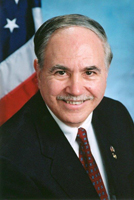
- Sponsors: Angelo Santabarbara (primary); cosponsors Andrew Hevesi, Kwani O'Pharrow, Demond Meeks, William Colton, Maritza Davila, Phil Steck, Anna Kelles.
- Related: S1856 (Senate companion); A9703 (prior session).
Overview / Primary purpose
- The bill’s stated purpose is to prohibit county correction officers from dispensing medications to individuals incarcerated in local correctional facilities. The intent is to change who is authorized to handle and administer prescribed and over‑the‑counter medications inside county jails and similar local correctional settings, in order to protect inmate health and reduce medication errors, diversion, and liability risks.
Key provisions (as reflected by the bill title and available summaries)
- Prohibition: County correction officers would be barred from dispensing medications to incarcerated persons on the premises of a local correctional facility.
- Reallocation of duties: Medication administration would likely be reserved for licensed health care professionals (e.g., registered nurses, licensed practical nurses, physicians, pharmacists, or other credentialed medical staff) or authorized medical contractors. (Full text needed to confirm exact categories and definitions.)
- Exceptions: Typical legislation of this type often includes narrowly defined emergency exceptions (e.g., life‑threatening situations where no licensed clinician is available) or temporary measures under written standing orders — the bill title does not specify whether such exceptions apply.
- Implementation obligations: The bill may require local correctional facilities/counties to adopt policies, report compliance, train staff, or coordinate with county health providers. The exact requirements (timelines, reporting, training standards) are not available in the public summary.
- Enforcement/penalties: The title does not state penalties or enforcement mechanisms; the final text would clarify civil, administrative, or disciplinary consequences for violations.
Who would be affected
- Directly: County correction officers and local correctional facility operations (policies for medication handling and administration).
- Indirectly: Incarcerated individuals (access, safety, continuity of care), licensed medical staff (expanded role), county governments (operational and staffing costs), contracted medical providers and pharmacies, and unions or bargaining units representing corrections staff.
- Potential fiscal impact: Increased staffing or contracting costs to ensure licensed clinicians are available; possible savings from reduced liability or medical errors. Exact fiscal effects would be in fiscal notes accompanying the bill.
Procedural notes / next steps
- The bill has been amended and recommitted in the Correction Committee and exists as Print No. 3565B. Watch for committee reports, fiscal notes, additional amendments, and any floor actions. The Senate companion (S1856) will be important to monitor for parallel action.
Limitations
- This summary is based on the bill title, sponsors, legislative actions, and typical drafting patterns. The full statutory text of A3565B should be consulted for precise definitions, exceptions, enforcement, and implementation details.