

WeVote

Bill

Bill

A 3323

Relates to internet dating service verification standards

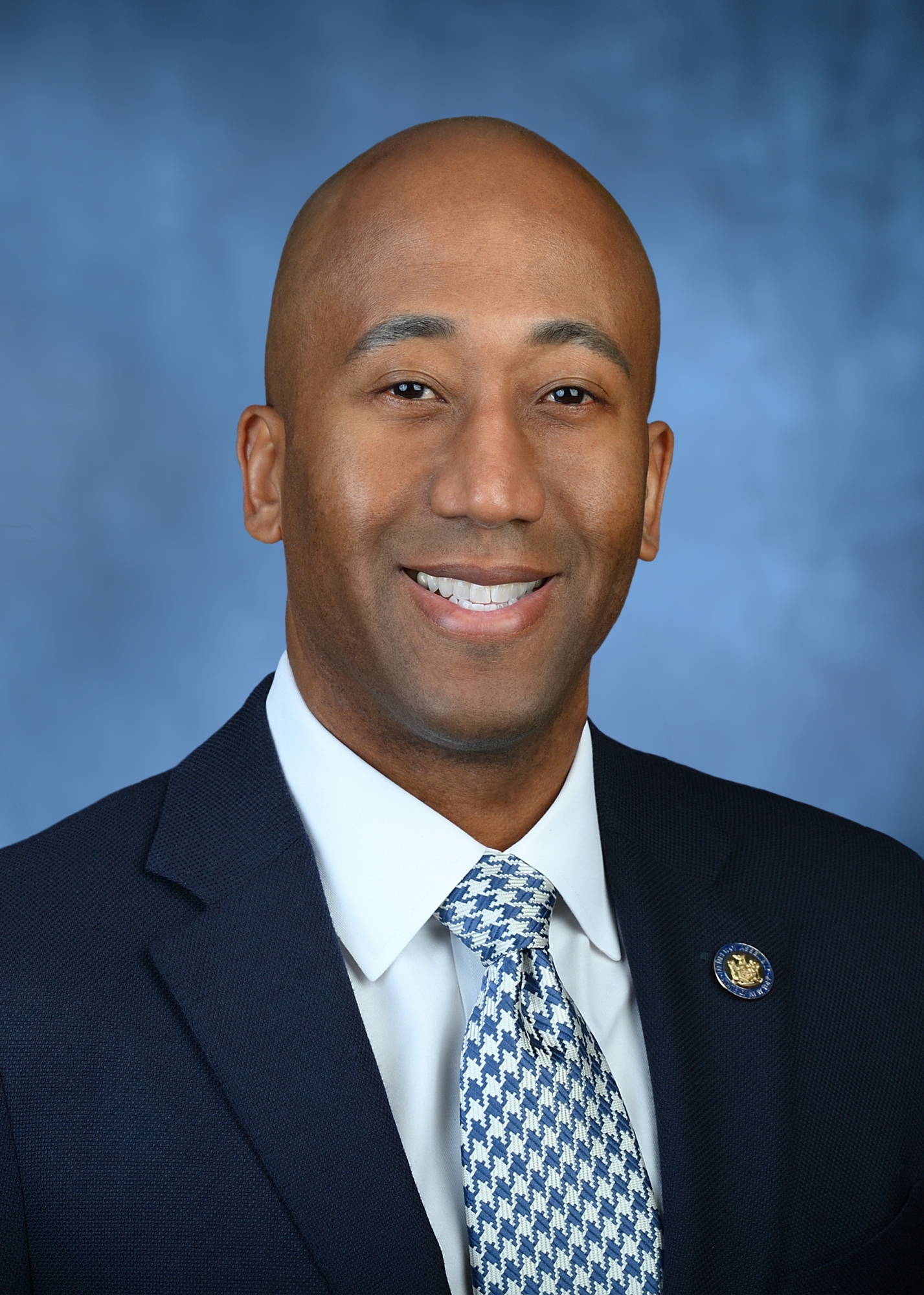
2025 Regular Session Introduced by Clyde Vanel

Would count extracurricular pay (coaches, clubs, performances) as pensionable income under the Teachers’ Pension and Annuity Fund, potentially raising state employer pension costs.

REFERRED TO CONSUMER AFFAIRS AND PROTECTION
0
WeVote Research Nonpartisan
Bill Summary · A 3323

Summary — A3323 (Teachers’ Pension and Annuity Fund: extracurricular pay as compensation)

Purpose

A3323 would amend the definition of “compensation” in the Teachers’ Pension and Annuity Fund (TPAF) statute (N.J.S.18A:66‑2) to make additional pay for performing extracurricular duties beyond the regular school day or school year pensionable. The intent is to include stipends or remuneration for activities such as coaching, clubs, performances, contests, and similar extracurricular duties when calculating pensionable salary for TPAF members.

Key provisions

  • Amends the statutory definition of “compensation” used to calculate TPAF benefits to expressly include additional remuneration for performing extracurricular duties beyond the regular school day or year.
  • Retains existing exclusions: the bill would not include (a) individual salary adjustments primarily granted in anticipation of retirement, or (b) additional remuneration for performing temporary duties beyond the regular day or year.
  • Defines “extracurricular duties” to include, but not be limited to, preparation for and involvement in public performances, contests, athletic competitions, demonstrations, displays, and club activities.
  • The change would apply prospectively “commencing on the effective date” if enacted.

Who is affected

  • Primary: Members of TPAF who receive separate pay/stipends for extracurricular duties (e.g., coaches, club advisors).
  • Employers: Local boards of education and other TPAF employers, because employer pension contribution obligations are calculated using pensionable compensation.
  • State taxpayers: The State is responsible by law for paying employer contributions to the TPAF (excluding administrative costs), so increased pensionable pay can increase State pension outlays.

Fiscal impact

  • Office of Legislative Services (OLS) estimates an indeterminate annual increase in State expenditures. The increase depends on how many districts separate extracurricular pay from contractual salary, the number of affected employees, and the amounts paid under collective bargaining.
  • Example in OLS estimate: for a member with $60,000 salary who also earns $2,000 annually for extracurricular duties, the State cost increase for employer contributions would be about $676 per year (based on most recent actuarial data).
  • The fiscal estimate was prepared by OLS (dated June 26, 2024).

Legislative history & current status

  • Introduced in Assembly: Jan 9, 2024; referred to Assembly State & Local Government Committee.
  • Reported and passed the Assembly: June 28, 2024 (vote 66–10–1).
  • Substituted for companion S3713; reported favorably by Senate committees and passed the Senate: June 30, 2025 (vote 31–6).
  • Received an Absolute Veto from the Governor: November 13, 2025 (veto message cites concerns about longstanding policy excluding extracurricular pay from pensionable compensation, parity across State retirement systems, and risks to pension system stability and taxpayers).
  • As of the latest entry, the veto was received in the Assembly on 2025‑11‑13.

Sponsors and related bills

  • Primary sponsor: Assemblyman Clyde Vanel.
  • Companion: S3713 (identical).
  • Prior-session related bill: A9109.

Governor’s stated concerns (summary)

The Governor’s veto message argued the bill would upset decades of established practice that excludes extracurricular/temporary pay from pensionable compensation across State-administered retirement systems, risk pension fund stability, and increase taxpayer liability. The message emphasized preserving parity among systems and protecting long‑term funding needed to restore cost-of-living adjustments (COLAs).

(For full text of statutory changes, fiscal notes, committee reports, and the veto message, see the bill’s legislative documents.)

Compiled from official sources — confirm details with the bill’s official record.

Sign in to ask a question.