

WeVote

Bill

Bill

A 5751

Relates to increasing the class for certain vehicular crimes and enacting Kane's law

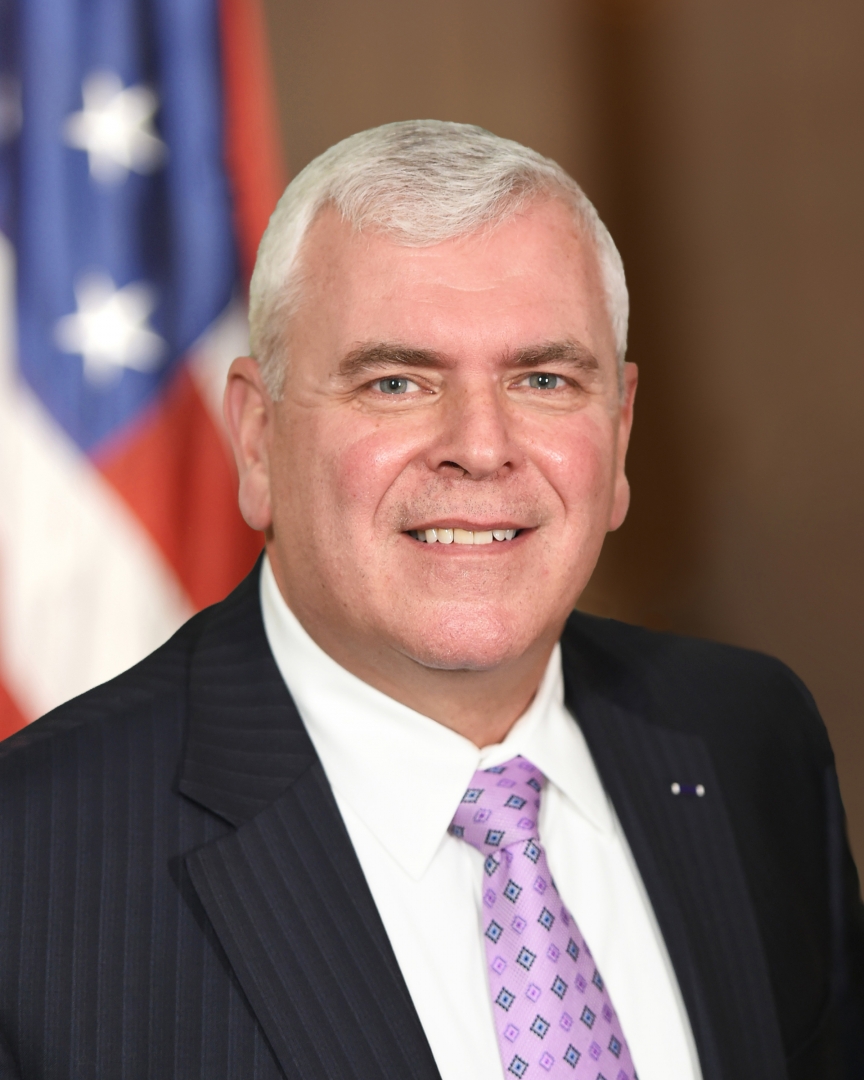
2025 Regular Session Introduced by Joe Angelino and 5 co-sponsors

Establishes a 36-month pilot to reimburse non-hospital children's partial hospitalization services for ages 5–14 under NJ FamilyCare.

REFERRED TO CODES
0
WeVote Research Nonpartisan
Bill Summary · A 5751

Bill Summary: A 5751 — Children’s Partial Hospitalization Pilot Program (NJ)

Note: The bill title in the prompt mentions vehicular crimes and Kane’s Law, but the introduced text and provisions focus on children’s partial hospitalization services. This summary reflects the introduced provisions as filed.

Overview and Purpose

  • Establishes a temporary Children’s Partial Hospitalization Pilot Program within the New Jersey Department of Human Services (DHS), Division of Medical Assistance and Health Services (DMAHS).
  • Goal: expand access to partial hospitalization services (PHP) for children ages 5 through 14 by allowing NJ FamilyCare reimbursement for PHP delivered at non-hospital locations.
  • Rationale: PHPs provide intensive, structured outpatient treatment intended to prevent inpatient hospitalization while supporting clinical needs and family stability.

Key Provisions

  • Pilot Program Establishment

    • Creates the Children’s Partial Hospitalization Pilot Program within DMAHS.
    • Aims to increase PHP availability for ages 5–14 by reimbursing PHP services under NJ FamilyCare when delivered outside hospital settings.
  • Participation and Selection

    • DMAHS shall select one eligible applicant to participate in the pilot.
    • Eligibility criteria for the applicant: 1) Demonstrate an established implementation plan. 2) Exclusively provide PHP services to children aged 5–14. 3) Meet all current federal and State reimbursement requirements for NJ FamilyCare PHP, except that service location need not be a hospital licensed under state law. 4) Apply to the Department of Children and Families (DCF) for approval as a provider within the Children’s System of Care (CSOC).
  • Application Process

    • DMAHS shall establish a process for applicants to apply to participate in the pilot.
  • Reporting and Sunset

    • No later than 36 months after selection of the pilot participant, DMAHS must report to the Governor and the Legislature on implementation and provide recommendations for continuation or expansion.
    • The pilot program expires 36 months after the participant is selected.
  • Definitions

    • “NJ FamilyCare” refers to the state’s Medicaid/FamilyCare program.
    • “Children’s Partial Hospitalization Services” describes an intensive, structured outpatient program designed to minimize inpatient needs.
  • Implementation and Regulatory Authority

    • The Commissioner of Human Services shall pursue necessary State plan amendments or waivers to enable Medicaid participation for the pilot.
    • The Commissioner shall adopt rules under the Administrative Procedure Act to implement the act.

Who Is Affected

  • Primary beneficiaries: children ages 5–14 who qualify for NJ FamilyCare.
  • Providers: non-hospital PHP providers seeking approval within the CSOC; coordination with DCF for CSOC provider status.
  • State agencies: DHS/DMAHS, DCF, and potentially Medicaid/State plan operations.

Timelines and Status

  • Introduced: June 12, 2025
  • Status: Referred to Codes (Assembly)
  • Related/Companion Bills: S 4707 (companion); other related A and S companion/previous-session bills noted.

Potential Impact

  • Could improve access to PHP for younger children by reducing reliance on hospital-based PHP.
  • May influence cost dynamics by shifting some PHP services to non-hospital settings, potentially altering reimbursement and Medicaid matching funds use.
  • Requires careful monitoring of outcomes to assess clinical effectiveness and budgetary impact during and after the pilot period.

Compiled from official sources — confirm details with the bill’s official record.

Sign in to ask a question.