

WeVote

Bill

Bill

A 4479

Relates to health facilities and services in correctional facilities

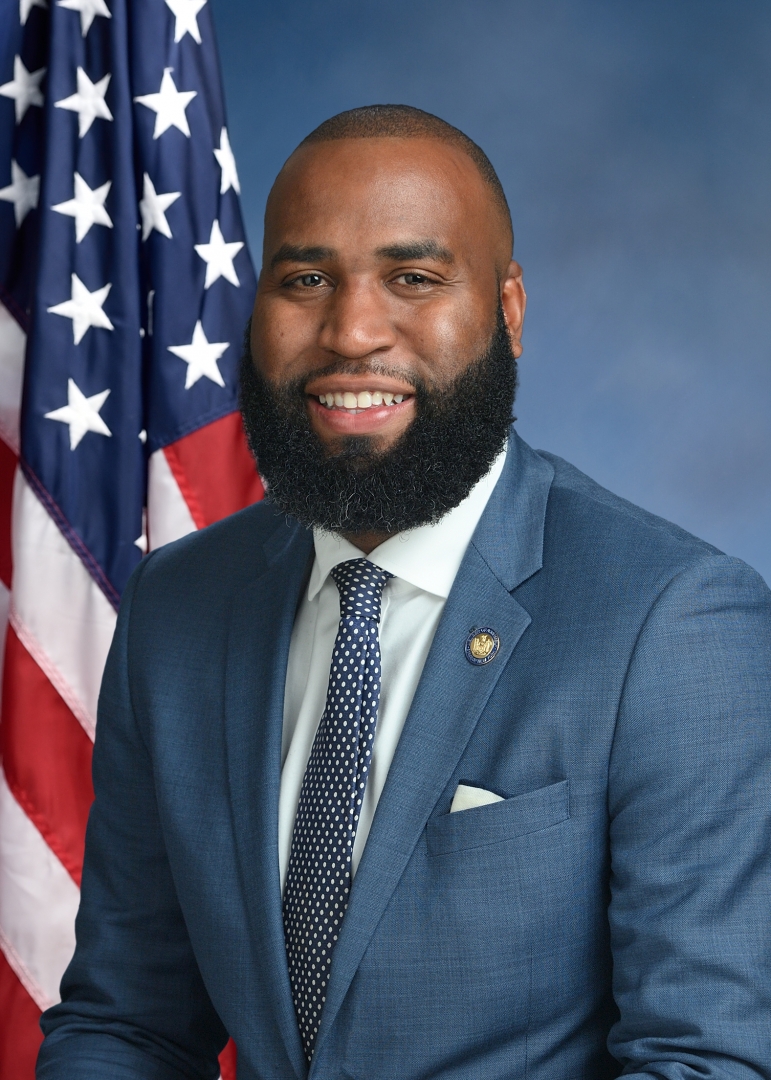
2025 Regular Session Introduced by Brian Cunningham

Requires large social media platforms to cooperate with nonprofit groups to remove nonconsensual intimate images, including deepfakes, quickly and effectively.

REFERRED TO HEALTH
0
WeVote Research Nonpartisan
Bill Summary · A 4479

Summary — A4479 (Reprint APS 6/19/25 1R)

Note: the bill metadata supplied initially lists a different title (relating to health facilities and services in correctional facilities). The text of A4479 provided here concerns social media platforms and removal of nonconsensual intimate images and deceptive audio/visual media. This summary covers the bill text.

Purpose and intent

A4479 requires large social media companies to cooperate with qualified nonprofit organizations that assist victims in identifying, flagging, and removing nonconsensual intimate images or videos — including AI- or otherwise created deceptive audio/visual media — from social media platforms. The goal is to improve takedown coordination, reduce re-victimization, and address harms from both real and synthetic nonconsensual intimate content.

Key provisions

  • Definitions:

    • "Intimate images or videos" — content showing intimate body parts, sexual penetration, or sexual contact not completely and opaquely covered (references N.J.S.2C:14-1 terms).
    • "Nonconsensual" — no express consent to creation, recording, or disclosure; any intimate content depicting a minor is nonconsensual when disclosed. Deceptive audio/visual media are nonconsensual if the depicted person did not consent to creation/disclosure; it is automatically nonconsensual if the person depicted is or appears to be a minor.
    • "Social media company" — any entity operating a social media platform with at least 5 million account holders worldwide.
    • "Nonprofit organization" — organizations qualifying under section 501(c)(3).
    • "Social media platform" — public/semi-public internet services that allow profiles, social connections, and user-posted content; excludes services that are primarily provider-curated (news, sports, entertainment, e-commerce, etc.) or where chat/comments are incidental.
    • "Deceptive audio or visual media" — technical representations (e.g., deepfakes) that reasonably appear to depict speech/conduct of a person who did not actually engage in it.
  • Cooperation and procedures:

    • Social media companies must cooperate with nonprofit initiatives to remove nonconsensual intimate content.
    • Each covered company must establish procedures to assist nonprofits in monitoring, flagging, and requesting removal.
    • Upon receiving a removal request, the platform must immediately remove the flagged material from public view pending a thorough review to determine whether the content is consensual.
  • Enforcement and penalties:

    • Civil penalties up to $10,000 for a first offense and up to $20,000 for second and subsequent offenses, in addition to other applicable penalties.
    • Penalties may be collected under New Jersey’s Penalty Enforcement Law; Superior and municipal courts have enforcement jurisdiction.
  • Effective date:

    • The act takes effect immediately upon enactment.

Who is affected

  • Directly: social media companies with ≥5 million global accounts (new compliance obligations and potential penalties).
  • Beneficiaries: individuals whose intimate images/videos are shared without consent (including minors) and nonprofit organizations that assist with removals (formalized cooperation).
  • Indirectly: platform users, content moderation teams, and possibly small platforms depending on thresholds/exemptions.

Legislative status / timeline

  • Introduced: June 6, 2024.
  • Committee reports: Favorably reported by Assembly Science, Innovation & Technology Committee (June 6, 2024) and Assembly Public Safety & Preparedness Committee with amendments (June 19, 2025).
  • Assembly passed: June 30, 2025 (80–0–0).
  • Referred in Senate: Received Oct 20, 2025; referred to Senate Law & Public Safety Committee.
  • The record also shows references to Assembly Health and duplicate referrals on Feb 4, 2025.

Potential impact / considerations

  • Intended to streamline and standardize takedown support for victims and nonprofits, including for AI-generated (deepfake) molestations of privacy.
  • Imposes compliance and operational obligations on major platforms; may increase takedown responsiveness.
  • Raises implementation considerations: ensuring rapid but accurate review processes, balancing wrongful takedowns with protection of victims, and coordination standards between platforms and nonprofits.

Compiled from official sources — confirm details with the bill’s official record.

Sign in to ask a question.