

WeVote

Bill

Bill

A 198

Relates to establishing a voluntary waiver of the right to purchase firearms, rifles or shotguns

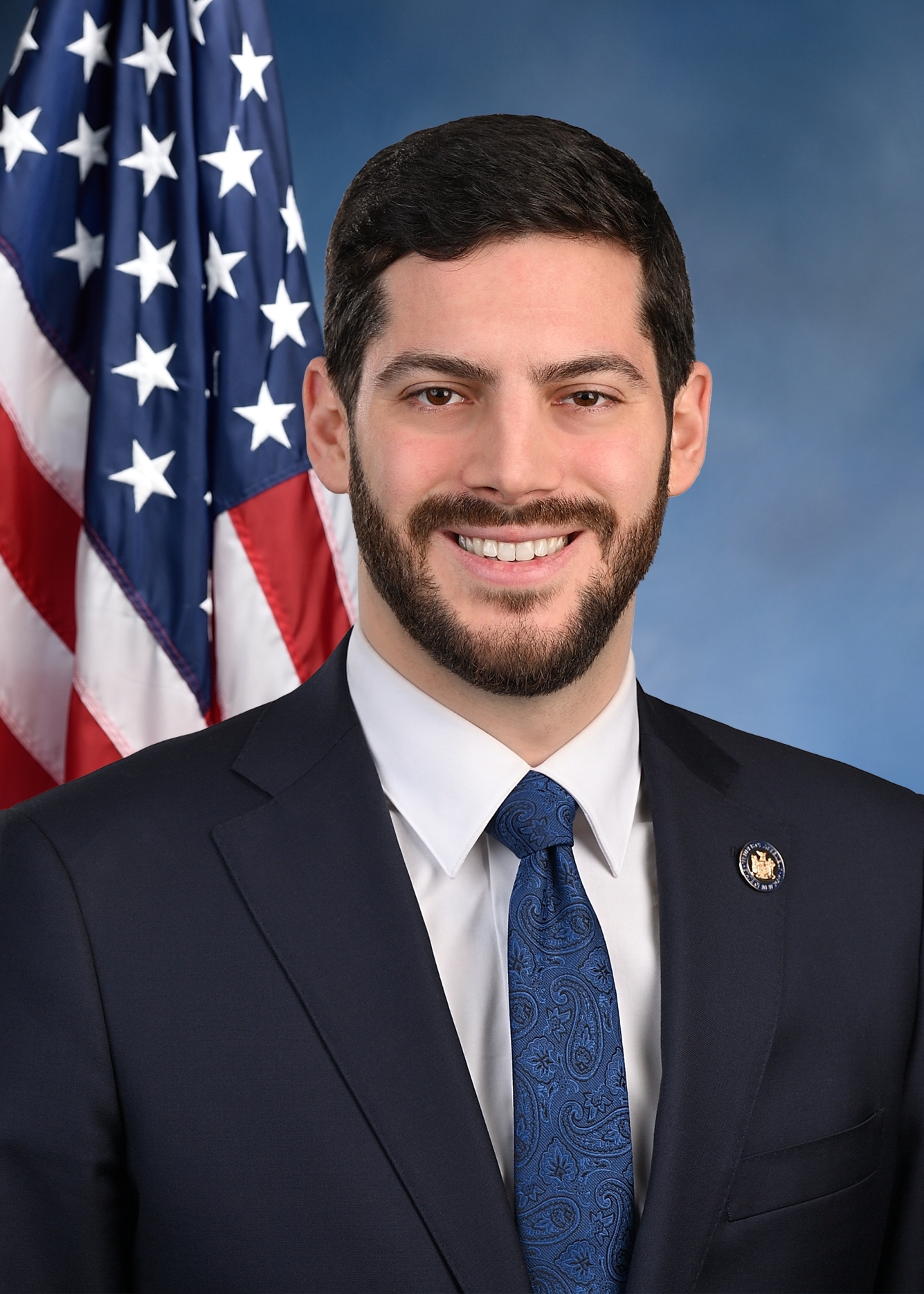
2025 Regular Session Introduced by Alex Bores and 9 co-sponsors

Expands liability to cover individuals who financially benefit from trafficking, even without leadership roles, with stricter penalties, restitution, and survivor funds.

REPORTED REFERRED TO RULES
0
WeVote Research Nonpartisan
Bill Summary · A 198

Summary — A198 (Introduced Version)

Note on discrepancy: The bill header provided lists a title about a voluntary waiver of the right to purchase firearms; however, the bill text included here amends New Jersey’s human trafficking statute (P.L.2005, c.77 / N.J.S.2C:13‑8). This summary treats the actual text supplied, which concerns human trafficking.

Purpose

To broaden criminal liability under New Jersey’s human trafficking statute by covering persons who financially benefit from trafficking schemes even if they are not organizers, supervisors, financiers, or managers, and to clarify related penalties, restitution, and victim protections.

Key provisions and changes

  • Amends section 1 of P.L.2005, c.77 (N.J.S.2C:13‑8) (human trafficking).
  • Expands subsection a(2) so that a person who “receives anything of value from participation as an organizer, supervisor, financier or manager or benefits financially in a scheme or course of conduct” that violates trafficking provisions is criminally liable. In short: liability reaches those who benefit financially even without formal leadership roles.
  • Retains existing definitions and conduct in subsection a(1) (recruiting/harboring/transporting to engage in sexual activity or provide labor/services by coercive means).
  • Affirmative defense: a defendant may assert they were a victim of human trafficking at the time of the alleged offense.
  • Classification: offense remains a crime of the first degree.
  • Sentencing changes: for first‑degree offenses under paragraph (2) or (3) of subsection a., the imprisonment term must be either 20 years with no parole eligibility, or a specific term between 20 years and life with parole eligibility only after 20 years.
  • Mandatory fine: at least $25,000 for convictions under this section. Fines are collected like other fines/restitutions and forwarded to the Department of the Treasury for deposit in the “Human Trafficking Survivor’s Assistance Fund” (P.L.2013, c.51).
  • Restitution: courts must order restitution in addition to other dispositions. Restitution awarded is the greater of (1) the gross income/value to the defendant of the victim’s labor/services; or (2) the value of the victim’s labor/services as determined by applicable State wage laws or the federal Fair Labor Standards Act.

Who is affected

  • Expanded group of criminally liable actors: individuals who profit or receive value from trafficking schemes (beyond traditional leadership roles).
  • Victims of human trafficking: entitled to expanded restitution remedies and benefit indirectly from fines deposited into a survivor assistance fund.
  • Courts, prosecutors, and defense counsel: will apply the broadened definitions, sentencing floor/structure, and restitution/fine requirements.
  • State Treasury / Human Trafficking Survivor’s Assistance Fund: will receive collected fines.

Penalties & victim remedies (specifics)

  • Crime level: first degree.
  • Imprisonment: minimum 20 years without parole or 20 years before parole eligibility (up to life).
  • Fine: not less than $25,000 (paid to survivor assistance fund).
  • Restitution: greater of defendant’s gross benefit or statutory wage-based valuation.

Procedural status / timeline

  • Introduced in Assembly: January 9, 2024; referred to Assembly Public Safety and Preparedness Committee.
  • Subsequent actions (2025): referred to Governmental Operations (Jan 8, 2025); print number 198A (Apr 30, 2025); amendments and recommitments noted; reported to Codes (May 20, 2025); reported and referred to Rules (June 5, 2025).
  • Effective date in text: the act would take effect immediately upon enactment.

Sponsors and related legislation

  • Sponsors include primary sponsors Amy Paulin, Dawn Fantasia, Michael Inganamort and many cosponsors (see bill header for full list).
  • Companion/related bills: S1989 and S1026 (listed as companions); prior‑session related bills A11121, A1033, A565.

If you want, I can:
- Produce a side‑by‑side comparison of current statute vs. proposed language, or
- Draft a short briefing for stakeholders (law enforcement, service providers, defense bar, advocates) summarizing operational impacts.

Compiled from official sources — confirm details with the bill’s official record.

Sign in to ask a question.