

WeVote

Bill

Bill

A 4947

Relates to enacting the NY privacy act

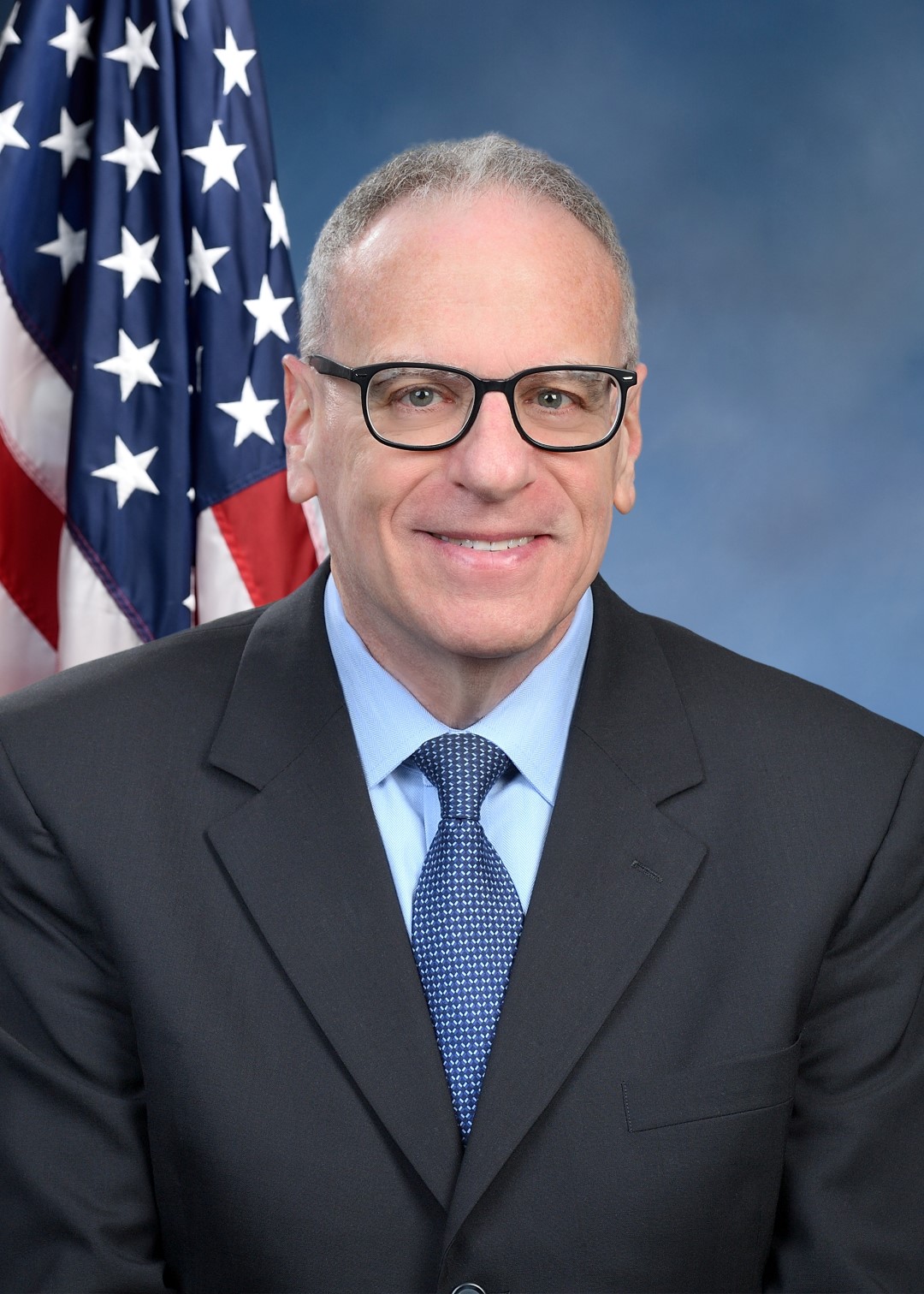
2025 Regular Session Introduced by Jeffrey Dinowitz and 4 co-sponsors

NJ A 4947 expands bribery to cover benefits given for past or future official acts, clarifying post‑act bribery and penalties up to second degree.

REFERRED TO CONSUMER AFFAIRS AND PROTECTION
0
WeVote Research Nonpartisan
Bill Summary · A 4947

Summary of Assembly Bill No. A 4947 (New Jersey)

Note: The material provided pertains to New Jersey’s A 4947, not the New York privacy act. This summary focuses on the NJ bill’s content, purpose, and potential impact as described in the documents.

What the bill seeks to do

  • Purpose: To amend the New Jersey bribery statute (N.J.S.2C:27-2) so that it clearly criminalizes the receipt of benefits as consideration for both past and future official acts. This addresses gaps highlighted by the U.S. Supreme Court’s Snyder v. United States decision, which held the federal bribery statute only criminalizes pre-act benefits.

Key provisions and changes

  • Expanded scope of “bribery”: The bill makes it unlawful to directly or indirectly offer, confer, or agree to confer, or to solicit, accept, or agree to accept, any benefit as consideration for:
    • a decision, opinion, recommendation, vote, or exercise of discretion by a public servant, party official, or voter on a public issue or election;
    • a decision, vote, recommendation, or exercise of official discretion in a judicial or administrative proceeding;
    • a violation of an official duty by a public or party official; or
    • the performance of official duties.
  • Definition of “benefit as consideration”: It means (1) any benefit not authorized by law, and (2) such a benefit regardless of when received—before or after the official act.
  • No defenses based on recipient qualification: It is not a defense that the recipient was not qualified to act or that the act resulted from other misconduct (theft by extortion, coercion, etc.).
  • Penalties:
    • General offense: second-degree crime.
    • If the value of the benefit is $200 or less: third-degree crime.
  • Effective date: The act takes effect immediately upon enactment.

Who is affected

  • Individuals who offer, confer, or solicit benefits (and those who accept them) in relation to public issues, elections, official duties, or legal/judicial/administrative proceedings.
  • Public servants, party officials, voters, and other participants in governmental or public processes.
  • Prosecutors and the state judiciary in applying the amended statute.

Procedural and timeline aspects

  • Introduced: October 21, 2024
  • Initial committee actions: Reported out of Assembly Judiciary Committee (February 13, 2025); referred to Consumer Affairs and Protection (February 10, 2025) with subsequent committee work.
  • Assembly action: Passed the Assembly, 76-0-0 (March 24, 2025).
  • Senate actions: Received in the Senate and referred to the Senate Judiciary Committee (May 12, 2025).
  • Related measures: Companion bill S 3716; several related or prior-session Assembly bills listed.

Legislative context

  • Sponsors include primary sponsor Linda Rosenthal, with cosponsors Jo Anne Simon, David Weprin, Amy Paulin, and Jeffrey Dinowitz.
  • This bill responds to evolving interpretations of bribery statutes and seeks to close gaps regarding post-act benefits, aligning state law with clarified expectations about bribery.

If you’d like, I can compare this bill to current NJ bribery law or summarize related companion measures (e.g., S 3716) for a broader view.

Compiled from official sources — confirm details with the bill’s official record.

Sign in to ask a question.