

WeVote

Bill

Bill

A 6878

Relates to compensation for information concerning fraudulent insurance transaction

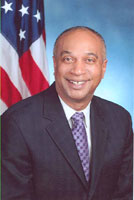
2025 Regular Session Introduced by Gary Pretlow

Creates a compensation program to reward informants who provide tips leading to investigations and prosecutions of fraudulent insurance transactions, boosting fraud reporting.

REFERRED TO INSURANCE
0
WeVote Research Nonpartisan
Bill Summary · A 6878

Summary of Assembly Bill A 6878

Overview

  • Bill Number: A 6878
  • Title: Relates to compensation for information concerning fraudulent insurance transaction
  • Status: REFERRED TO INSURANCE (introduced and referred March 18, 2025)
  • Sponsor: J. Gary Pretlow (primary)
  • Related bills (prior-session companions): A 2259, A 3503, A 2854, A 2753, A 4864, A 2551, A 3072, A 1519, A 4495

Purpose and intent

The bill, by its title, aims to establish compensation for individuals who provide information that leads to the identification, investigation, or prosecution of fraudulent insurance transactions. The intended effect is to encourage reporting of insurance fraud and to bolster enforcement efforts by offering financial incentives for informants.

Key provisions (as outlined by the bill’s title and status)

  • Creation of a compensation mechanism: The bill would establish a program or framework through which informants supplying information about fraudulent insurance activity may receive compensation.
  • Eligibility criteria: The bill would define who is eligible to receive compensation (e.g., individuals providing information that results in successful enforcement or recovery).
  • Compensation structure: The bill would specify how payments are calculated (amounts, percentages, or formula) and any caps or limits.
  • Information scope: The bill would define what constitutes a “fraudulent insurance transaction” and what type of information qualifies (e.g., tips leading to investigations, evidence, or convictions).
  • Confidentiality and anonymity: Provisions are likely to address protecting the identity of informants and handling sensitive information.
  • Safeguards and penalties: The bill would presumably include anti-fraud safeguards to prevent false or fraudulent claims and outline penalties for abuse or misuse of the compensation program.
  • Administration: Likely assigns responsibility to a state department or agency (commonly the Department of Insurance) to administer the program, approve claims, and disburse payments.
  • Reporting and oversight: Possible requirement for annual reporting on program activity and outcomes.

Note: Specific statutory text, exact eligibility rules, payment amounts, and administrative details are not provided in the available information.

Affected parties and potential impact

  • Primary beneficiaries: Individuals who provide information about fraudulent insurance transactions and meet eligibility criteria.
  • Regulatory and enforcement bodies: State insurance department or equivalent agency responsible for administering the program.
  • Insurance industry and consumers: Potential increase in fraud detection and enforcement; could lead to cost offsets if fraud is reduced, though program costs could be funded by state appropriations or other funding mechanisms.
  • Risks and considerations: Needs safeguards to prevent false allegations, ensure fair compensation, and protect informants from retaliation.

Procedural and timeline notes

  • Current status: Referred to the Insurance Committee; no further actions or deadlines provided in the summary.
  • Next steps: Review of bill text by the Insurance Committee, potential amendments, and eventual committee vote. If advanced, it would move to floor consideration and further legislative stages. Timelines depend on committee schedules and legislative priorities for the session.

Additional context

The bill aligns with a broader pattern of companion or related proposals from prior sessions (as listed in the related bills) that address insurance fraud and related enforcement mechanisms. Reading the full bill text and any fiscal notes will provide precise definitions, eligibility details, payment scales, and administration responsibilities.

Compiled from official sources — confirm details with the bill’s official record.

Sign in to ask a question.