

WeVote

Bill

Bill

A 1379

Relates to class actions

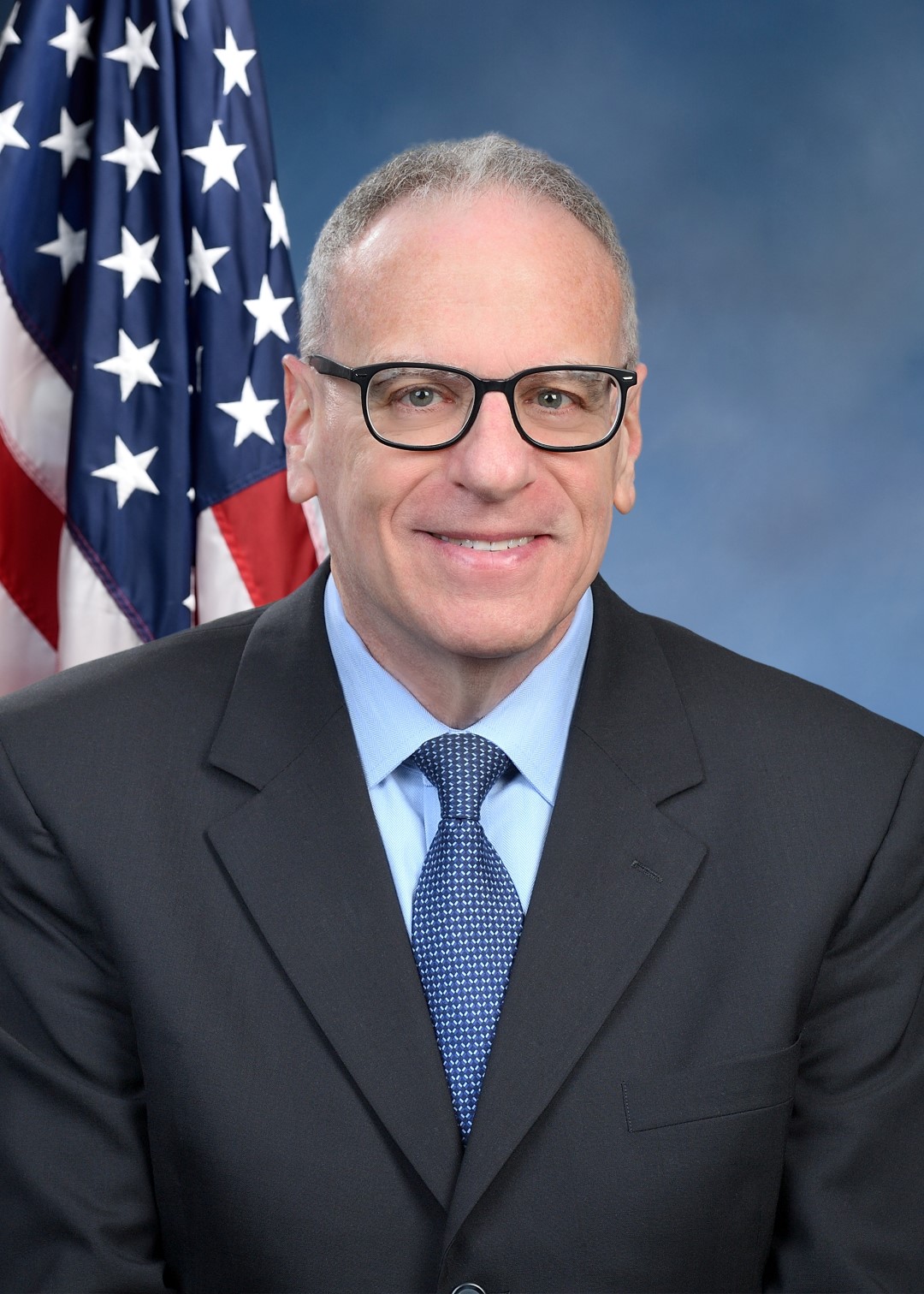
2025 Regular Session Introduced by Jeffrey Dinowitz

Relates to class actions, outlining potential changes to certification standards, notices, settlements, and attorney fees that could affect how class actions are pursued and manage

REFERRED TO JUDICIARY
0
WeVote Research Nonpartisan
Bill Summary · A 1379

Summary of New York A 1379 — Relates to Class Actions

Overview

  • Bill Number: A 1379
  • Title: Relates to class actions
  • Purpose: The bill, by its title, concerns matters related to class action litigation. The specific aims, provisions, and reforms are not included in the provided materials, so the exact changes to law cannot be enumerated here. The Judiciary Committee is the designated committee for consideration.

Legislative Status and Timeline

  • Introduced: January 9, 2025
  • Status: REFERRED TO JUDICIARY
  • Next steps: After referral, the bill would typically undergo committee review, potential hearings, amendments, and a floor vote in the Assembly. If approved, it would proceed to the Senate or be governed by subsequent legislative steps. Tracking the companion and related bills may provide additional context on intent and potential amendments.

Related Legislation

  • Companion bill: S 3661 (listed as a companion; appears twice, likely indicating multiple related actions or versions)
  • Prior-session companion: S 7113
  • Prior-session Assembly measure: A 9425
  • Observations: The presence of companion and prior-session bills suggests coordinated reform efforts across both houses and potential alignment with earlier proposals.

What the Bill Might Address (Note: Specific provisions are not provided)

While the text is not included in the materials provided, bills titled “Relates to class actions” commonly address topics such as:
- Certification standards for class actions
- Notice and opt-out/opt-in mechanisms for class members
- Attorneys’ fees and incentive structures for class counsel
- Settlement approval processes and judicial oversight
- Restrictions on certain claims or conduct (e.g., arbitration clauses, removal to private arbitrations, or limitations on certain types of class actions)
- Procedures for management of class-action litigation, including discovery and notice practices
- Standing and representative requirements for named plaintiffs

Because the exact text is unavailable here, these are potential areas to look for in the bill’s actual language.

Potential Impacts (General considerations)

  • Plaintiffs: Changes to certification standards, notice requirements, or fee structures could affect the feasibility and cost of pursuing class actions.
  • Defendants (businesses and organizations): Reforms may influence litigation risk, settlement dynamics, and defense strategy.
  • Class counsel: Modifications to fee arrangements or certification processes could impact incentives and litigation tactics.
  • Courts: New procedural rules or oversight mechanisms could shape case management and workloads.
  • Consumers and the public: Depending on provisions, reforms could affect access to relief and settlement fairness.

What to Look For (Suggested Next Steps)

  • Obtain the official text of A 1379 to identify:
    • Definitions (e.g., “class,” “class action,” standing)
    • Criteria for class certification
    • Notice requirements and opt-out/opt-in mechanics
    • Settlement approval standards
    • Attorneys’ fees and costs provisions
    • Any exemptions (e.g., consumer, employment, or securities actions)
    • Effective dates and any phase-in periods
  • Compare A 1379 with its companion S 3661 and prior-session measures (S 7113, A 9425) to understand convergence or differences.
  • Review fiscal notes, sponsor memos, and committee materials for intent and anticipated impact.

If you can provide the text of A 1379 or a link to the official bill, I can deliver a precise, section-by-section summary of the provisions and their direct impacts.

Compiled from official sources — confirm details with the bill’s official record.

Sign in to ask a question.