

WeVote

Bill

Bill

A 6292

Relates to certain mandatory disclosures for job advertisements

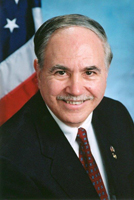
2025 Regular Session Introduced by William Colton and 3 co-sponsors

Requires employers to include specific disclosures in job ads, boosting transparency for applicants and tightening ad honesty; enforcement likely by the Labor Department.

ADVANCED TO THIRD READING CAL.290
0
WeVote Research Nonpartisan
Bill Summary · A 6292

Summary of Assembly Bill A6292

Overview

  • Bill number: A6292
  • Title: Relates to certain mandatory disclosures for job advertisements
  • Status: REFERRED TO LABOR
  • Introduced: March 3, 2025
  • Sponsor: Jonathan Jacobson (primary)
  • Legislative actions: On March 3, 2025, the bill was referred to the Labor Committee (listed twice in the provided record, which appears to be a duplicate entry)

Purpose and intent

Based on the bill’s title, A6292 aims to require employers or job advertisers to include specific disclosures in job advertisements. The exact disclosures required are not provided in the available information. If enacted, the bill would likely set standards for transparency in hiring advertisements to ensure applicants receive essential information up front.

Key provisions (not specified in the provided text)

The precise provisions are not included in the available data. Typically, bills with similar titles address topics such as:
- Salary or compensation range
- Job location and whether the role is remote, hybrid, or on-site
- Status of employment (full-time, part-time, temporary)
- Benefits and conditions (e.g., health insurance, retirement, vacation)
- Equal opportunity and non-discrimination statements
- Required qualifications or experience
- Application process details or deadlines

Note: The above categories are common in comparable legislation but are not confirmed for A6292 without the bill’s actual text.

Affected parties

  • Job advertisers and employers: Businesses and organizations that post job ads would be subject to the disclosure requirements if the bill becomes law.
  • Job seekers/applicants: Individuals seeking employment would benefit from clearer information in advertisements.
  • Enforcement/agency role: Likely the Labor Department or a related state agency would oversee compliance and enforce violations, though the specific enforcement mechanisms are not described in the provided information.

Timeline and procedural context

  • The bill was introduced on March 3, 2025.
  • It has been referred to the Labor Committee, indicating it will be examined for policy, legal, and practical implications before potential advancement to a floor vote.
  • No further action dates are provided; typically, after referral, the committee holds hearings, may amend, and votes to move the bill forward.

Potential impacts and considerations

  • Transparency vs. compliance burden: If mandatory disclosures are required, employers may incur administrative costs to modify employment ads and verify accuracy.
  • Consistency and clarity: Clear disclosure standards could reduce miscommunication and improve candidate experience.
  • Legal risk: Noncompliance could lead to penalties or enforcement actions, depending on the bill’s enforcement framework.
  • Scope and exemptions: The bill’s text will define who is covered (e.g., all employers vs. certain sizes) and whether exemptions apply (e.g., internal postings, temporary positions).

Next steps / questions to monitor

  • What exact disclosures would A6292 require?
  • Which employers and job ads would be covered, and are there exemptions?
  • What are the enforcement provisions and penalties for noncompliance?
  • What is the bill’s effective date and transition period for compliance?

This summary provides the essential information available from the bill’s record. The precise provisions will become clear upon release of the bill’s full text.

Compiled from official sources — confirm details with the bill’s official record.

Sign in to ask a question.