

WeVote

Bill

Bill

A 6189

Relates to allowing unaccompanied children in custody to petition the family court

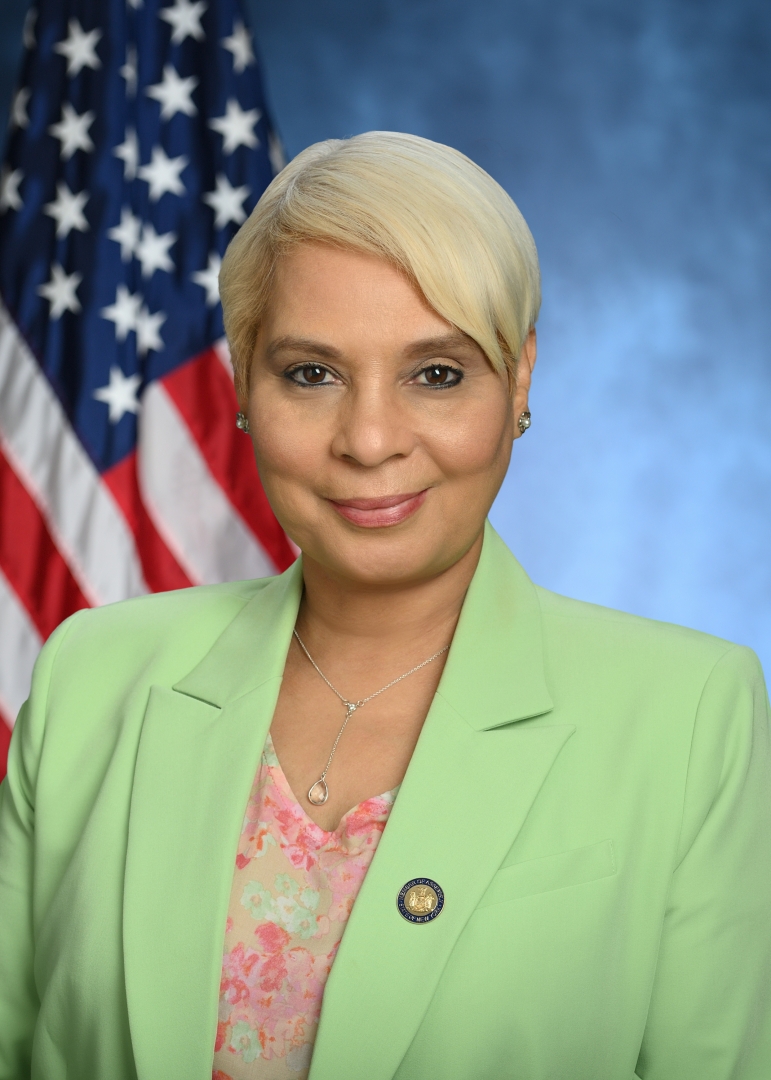
2025 Regular Session Introduced by Maritza Davila and 3 co-sponsors

Allows unaccompanied children in state custody to petition the family court for custody, placement, or protective relief, enabling timely judicial decisions.

REFERRED TO CHILDREN AND FAMILIES
0
WeVote Research Nonpartisan
Bill Summary · A 6189

Summary: Bill A 6189 — Relates to allowing unaccompanied children in custody to petition the family court

Overview

Bill A 6189 would authorize unaccompanied children who are in custody to petition the family court. Introduced on February 26, 2025, the measure is currently in the legislative referral stage, having been referred to the Committee on Children and Families on the same day.

What the bill would do

  • The core change is to permit unaccompanied children in custody to file petitions directly with the family court.
  • The bill’s text (not provided here) would specify the scope of relief or orders the court may consider in response to such petitions, and how those petitions are to be processed within the family court system.

Note: A complete understanding of exact provisions, definitions, and procedures will require review of the bill’s full text, once available.

Key provisions to look for in the enacted text

  • Definitions: who qualifies as an "unaccompanied child" and what constitutes being "in custody."
  • Scope of petitions: types of relief the court could grant (e.g., custody arrangements, placement, visitation, or other protective orders).
  • Legal representation: whether counsel is required or provided for the child, and how counsel is appointed.
  • Notice and service: who must be notified and how service of petitions is handled.
  • Standards and proceedings: any thresholds for the court to grant relief, deadlines, and expedited procedures.
  • Interaction with child welfare agencies: roles for departments (e.g., social services), guardians ad litem, and other stakeholders.
  • Privacy and safety: protections for the child’s confidentiality and safety considerations.
  • Implementation: funding, training, and any phase-in requirements.
  • Effective date: when the bill would take effect and any transitional rules.

Who would be affected

  • Primary: unaccompanied children in state custody who would have a pathway to petition the family court.
  • Secondary: family court judges and staff, guardians ad litem, child-welfare agencies (e.g., social services), potential foster families or guardians, and attorneys representing involved parties.

Legislative status and sponsors

  • Status: Referred to the Committee on Children and Families (as of February 26, 2025).
  • Primary sponsor: Assemblymember Andrew Hevesi.
  • Co-sponsors: Assemblymember Tommy Schiavoni, Assemblymember Maritza Davila, Assemblymember Jen Lunsford.

Next steps

  • Review the full text of A 6189 to confirm definitions, allowable petitions, and procedural details.
  • Monitor committee hearings and amendments for any changes to scope, funding, or implementation timelines.
  • Track floor action and potential enactment dates for when the provisions would take effect.

Compiled from official sources — confirm details with the bill’s official record.

Sign in to ask a question.