

WeVote

Bill

Bill

HR 8325

Rehabilitation Through Reading Act of 2026

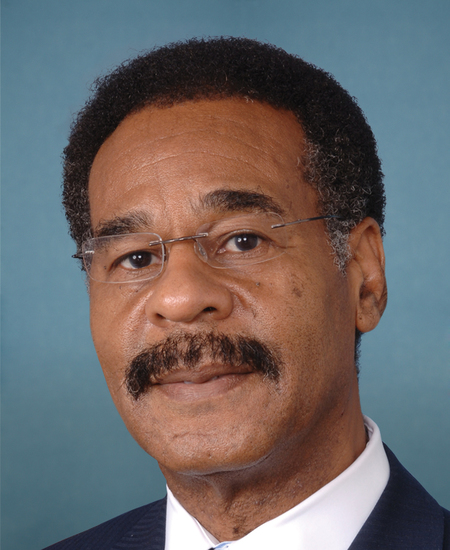
119th Congress Introduced by Emanuel Cleaver

Creates an independent Publication Review Committee to approve any book bans in federal prisons, with inmate appeals, transparency, and annual reporting.

Introduced in House
0
WeVote Research Nonpartisan
Bill Summary · HR 8325

Overview

HR 8325, the Rehabilitation Through Reading Act of 2026, would create an independent, formal review process to govern the prohibition of books in U.S. Bureau of Prisons facilities. The bill establishes a Publication Review Committee to decide whether a book may be prohibited, requires a defined appeal process for inmates, and imposes reporting requirements to Congress.

Main purpose and intent

  • To ensure that decisions to ban books in federal prisons are subject to an independent review rather than made solely by the Director of the Bureau of Prisons.
  • To protect incarcerated individuals’ access to information and avoid prohibitions driven by disfavored viewpoints or content.
  • To increase transparency and accountability in the management of prison libraries and reading materials.

Key provisions and changes

  • Definitions:

    • Director: Director of the Bureau of Prisons.
    • Professional Librarian: A librarian with a master’s degree from an American Library Association-accredited program.
  • Publication Review Committee (PRC):

    • Formed within 90 days of enactment.
    • Composition: at least 5 members, including (i) the Ombudsman established under the Federal Prison Oversight Act, (ii) a Bureau of Prisons professional librarian, (iii) at least one individual in BOP custody, and (iv) at least one individual with First Amendment expertise.
    • Purpose: To review and decide on proposed prohibitions of books in BOP facilities.
  • Procedures for prohibiting a book:

    • The Director may propose prohibition of a book only if the PRC approves the decision and the Director provides a detailed justification.
    • The PRC must review and approve or disapprove each proposed prohibition.
  • Appeals:

    • Incarcerated individuals may appeal a prohibition to the PRC.
    • The PRC must issue a final written determination within 90 days of receiving a request or appeal.
    • Considerations: Prohibition cannot be based on disfavored viewpoint or content; the committee assesses whether the ban is driven by viewpoint, or if the book is unpopular or violates rights to access information.
    • Discretion: PRC determinations are generally at the PRC’s discretion and do not require Director approval (except as required to initiate the process).
  • Maintained access during appeal:

    • If an appeal is filed before removal, the book cannot be removed until the PRC issues its final determination.
  • Annual reporting:

    • Starting the year after enactment, the Director must submit to the Senate Judiciary Committee and the House Judiciary Committee a yearly report detailing books prohibited in the prior fiscal year, outcomes of appeals, and a summary of each appeal.

Who/what is affected

  • Bureau of Prisons facilities and their libraries, book collections, and policies on material access.
  • Incarcerated individuals who would file or be subject to book prohibitions and appeals.
  • BOP staff, including librarians, oversight bodies (Ombudsman under the Federal Prison Oversight Act), and officials involved in policy implementation.
  • The Director of the Bureau of Prisons, who must implement the PRC process and provide compliance information.

Procedural and timeline aspects

  • Establishment: Publication Review Committee to be formed within 90 days after enactment.
  • Prohibition process: Director must submit a detailed prohibition request to the PRC; PRC must approve.
  • Appeals: Inmates can appeal prohibitions; PRC must issue a final written determination within 90 days of receipt.
  • Removal timing: Books under appeal cannot be removed until a final PRC decision is issued.
  • Annual reporting: First report due within 30 days after the end of each fiscal year following enactment.

Potential impacts (summary)

  • Increased independence and transparency in decisions to ban books.
  • Stronger protection for access to information and First Amendment considerations in prison settings.
  • Additional procedural steps and timelines for prohibiting books, potentially reducing arbitrary or unilateral bans.
  • Ongoing oversight and public accountability through annual reporting to Congress.

Compiled from official sources — confirm details with the bill’s official record.

Sign in to ask a question.