

WeVote

Bill

Bill

SB 384

Regards direct care staffing hour requirements for nursing homes

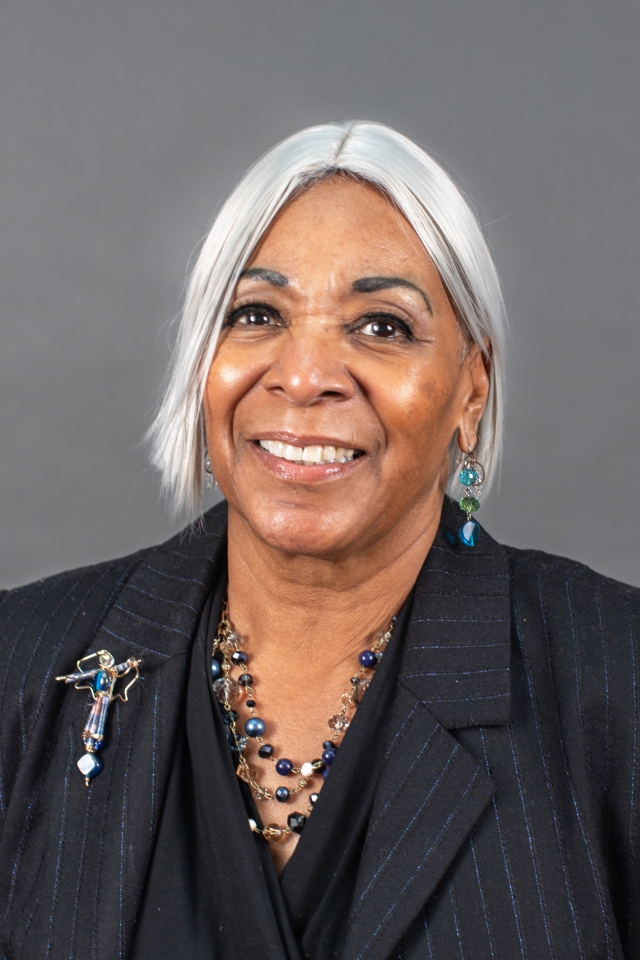
136th Legislature (2025-2026) Introduced by Catherine Ingram and 1 co-sponsor

SB 384 tightens direct care staffing by excluding nondirect care activities from counting toward the 2.5 hours per resident per day.

Referred to committee
0
WeVote Research Nonpartisan
Bill Summary · SB 384

Overview

Bill: SB 384 (Ohio, 136th General Assembly)
Sponsor: Sen. Liston; Co-sponsor: Sen. Ingram
Status: Introduced March 19, 2026; Referred to committee March 25, 2026
Purpose: To modify how direct care staffing hours are calculated for nursing homes by excluding certain nondirect care duties from counting toward the required direct care hours.

Main purpose and intent

  • The bill aims to ensure that the mandated minimum daily average of direct care hours per nursing home resident reflects actual hands-on patient care. It would prohibit counting time spent by direct care staff (nurses and nurse aides) on nondirect care activities toward the required 2.5 hours of daily direct care per resident.

Key provisions and changes

  • Current rule (for nursing homes): Each facility must provide an average of 2.5 hours of direct care per resident per day, provided by:

    • Registered nurses (RNs), including those performing administrative/supervisory duties
    • Licensed practical nurses (LPNs), including those performing administrative/supervisory duties
    • Nurse aides
  • As introduced, SB 384 would modify the calculation of these direct care hours by excluding hours when staff are performing nondirect care activities. Specific nondirect care activities to be excluded include:

    • Staff scheduling, staff training, and staff meetings not related to patient care
    • Billing or billing-related tasks
    • Activities related to regulatory and administrative requirements unrelated to patient care (e.g., licensure renewals, Department of Health complaint investigations)
    • Maintaining the physical environment of the facility (e.g., food preparation, laundry, housekeeping)
  • In effect, the rulemaking authority (Director of Health) would be required to ensure that the minimum daily average of direct care hours per resident is not diluted by time spent on the above nondirect care activities.

Who would be affected

  • Nursing homes in Ohio would be directly affected, as the mandatory minimum of direct care hours per resident could become more strictly tied to actual patient care activities.
  • Direct care staff (RNs, LPNs, and nurse aides) may experience changes in how their time is counted toward staffing requirements.
  • Facility administrators and management responsible for staffing plans, scheduling, billing, and regulatory compliance would be affected in terms of how hours are allocated and reported.

Procedural and timeline aspects

  • The bill amends Ohio Revised Code Section 3721.04(A)-(D) and repeals the existing section before enacting the revised version.
  • The changes would apply to rules adopted by the Director of Health governing nursing home staffing and related standards.
  • Relevant dates in the bill’s lifecycle:
    • Introduced: March 19, 2026
    • Referred to committee: March 25, 2026
  • The bill preserves other aspects of staffing standards, including the broader framework for personnel numbers, qualifications, and resident services, but tightens the calculation method for direct care hours.

Additional notes

  • The bill’s text specifies that nurse aides’ qualifications must meet federal standards (the same as current law, referencing federal requirements under the Social Security Act).
  • There is no specified funding mechanism or fiscal impact in the provided summary; a fiscal note would be needed to assess cost implications for facilities.

Overall, SB 384 tightens the measurement of direct care staffing by ensuring nondirect care activities are not counted toward the mandated direct care hours, potentially affecting staffing strategies and reporting for Ohio nursing homes.

Compiled from official sources — confirm details with the bill’s official record.

Sign in to ask a question.