

WeVote

Bill

Bill

SF 48

Refundable exemption provision for construction materials used in certain projects in the Russell Tyler Ruthton Independent School District

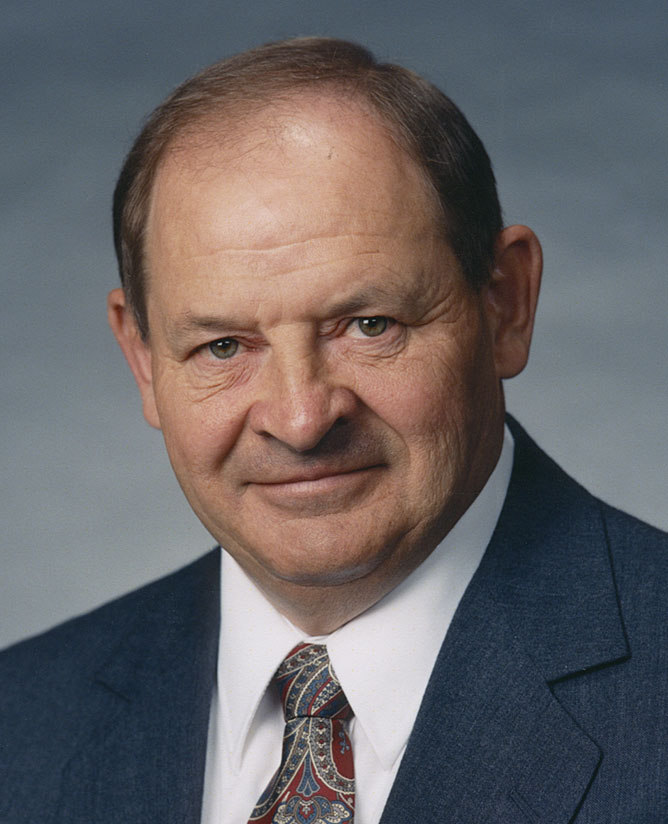
2025-2026 Regular Session Introduced by Gary Dahms and 1 co-sponsor

SF 48 grants refundable sales tax exemptions on construction materials for specific projects in Russell Tyler Ruthton school district, reducing project costs but raising equity concerns.

Referred to Taxes
0
WeVote Research Nonpartisan
Bill Summary · SF 48

Legislative bill overview

SF 48 creates a refundable sales tax exemption for construction materials used in specific projects within the Russell Tyler Ruthton Independent School District. The bill allows qualifying construction purchases to receive a tax refund rather than a traditional exemption, meaning purchasers can recover taxes already paid. This targets particular capital improvement or development initiatives within that school district's geographic area.

Why is this important

School districts often undertake major construction projects that can be expensive; reducing tax burdens on materials can lower overall project costs and potentially redirect savings to educational services. However, the refundable structure—rather than a traditional point-of-sale exemption—creates additional administrative complexity and state revenue tracking requirements. The bill's specificity to one district raises questions about equity across Minnesota's 334 school districts.

Potential points of contention

  • Geographic favoritism: Why should one school district receive special tax treatment when others statewide do not, potentially creating precedent for similar requests
  • State revenue impact: Refundable exemptions cost the state budget directly; fiscal notes are critical to understanding the long-term financial commitment
  • Implementation burden: Refund processes are more administratively complex than exemptions, raising questions about whether the benefit justifies the bureaucratic cost
  • Project scope ambiguity: The bill's language on "certain projects" lacks specificity about which projects qualify, creating potential implementation and fairness disputes

Compiled from official sources — confirm details with the bill’s official record.

Sign in to ask a question.