

WeVote

Bill

Bill

HB 4762

REDUCING BARRIERS TO LICENSURE

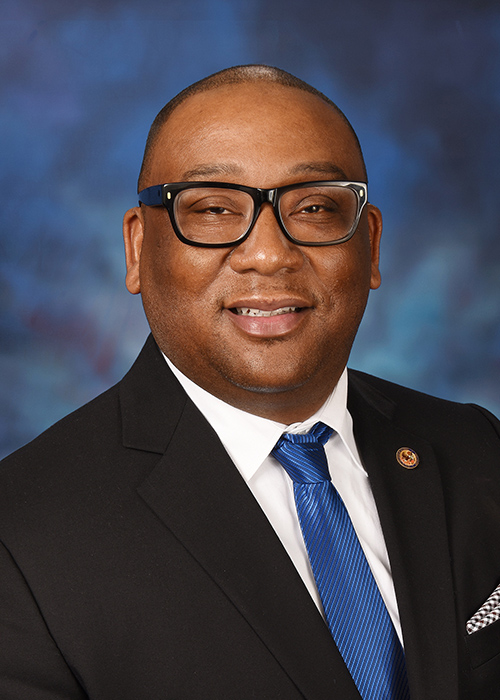
104th Regular Session Introduced by Christopher Belt and 14 co-sponsors

HB4762 eases licensure by reducing barriers, expanding rehabilitation considerations, and increasing transparency in disciplinary actions and records across regulated professions.

Public Act . . . . . . . . . 104-0558
0
WeVote Research Nonpartisan
Bill Summary · HB 4762

Summary of HB4762 (104th Illinois General Assembly)

Purpose and intent

HB4762, titled the Reducing Barriers to Licensure Act, aims to ease and streamline licensure processes across multiple regulated professions in Illinois. It makes a broad set of changes to the Department of Financial and Professional Regulation (DFPR) laws, with a focus on reducing unnecessary delays, clarifying definitions, refining how criminal history is considered in licensure, and improving transparency around disciplinary actions and licensure records. It also includes specific provisions to reduce barriers for incarcerated individuals seeking licensure, and it updates several related acts to align with these broader licensing objectives.

Key provisions and changes

  • Definitions and Department structure (Civil Administrative Code)

    • Updates several definitions (e.g., address of record, email address of record, licensee, applicant) to clarify record-keeping and communications.
    • Clarifies that references to the Department of Professional Regulation include both the Division of Professional Regulation and the Division of Real Estate within DFPR.
  • Oaths, subpoenas, and penalties

    • Grants the Department authority to administer oaths, issue subpoenas, compel evidence, and enforce subpoenas with civil-process-style procedures and penalties for noncompliance.
  • Applicants with criminal convictions and good character

    • Strengthens consideration of mitigating factors and rehabilitation in determining licensure eligibility after criminal history (Section 2105-131).
    • Requires the Department to consider factors such as relationship of the offense to duties, time since last offense, rehabilitation evidence, prior licensure, age at offense, and safety considerations.
    • Creates a presumption framework that favors rehabilitation while allowing denial when specific professional Act requirements or public safety concerns demand it.
    • Prohibits automatic denial based solely on prior convictions and requires explicit guidance on denial decisions (and a published list of convictions that would impair licensure).
  • Health care worker licensure actions and automatic suspensions

    • Expands health care worker licensure actions and adds a procedure for automatic, indefinite suspension in cases involving certain health-care–related felonies or sex-offender registrations, with a reinstatement/petition process outlined (2105-165 and 2105-170).
  • Publication of disciplinary actions and reporting

    • Requires monthly online publication of final disciplinary actions.
    • Mandates an annual statistical report on licensure activity, including the impact of criminal history on licensing outcomes and expulsion/sealing metrics (2105-205).
  • Records and sealing/expungement of disciplinary records

    • Creates a process to classify certain disciplinary records as confidential/sealed for reporting purposes, with criteria and timeframes (2105-207). This includes several enumerated offenses and allows sealing after long periods of good conduct and absence of ongoing disciplinary status, subject to rules and funding.
  • Barber, Cosmetology, Esthetics, Hair Braiding, and Nail Technology Act updates

    • Prohibits automatic holds or denial of an application for licensure solely because the applicant is incarcerated, and directs DFPR to process such applications without extra delays (for licensure and restoration).
  • Incarcerated applicants and licensure processing

    • Includes a provision that waives certain time limitations for incarcerated applicants seeking licensure restoration or original licensure.
  • Related Acts updates

    • Aligns Health Care Credentials Data Collection and the Unified Code of Corrections provisions with the broader licensure reform, including changes to loss/restoration of rights language and related certificate of relief from disabilities provisions.

Who would be affected

  • Individuals applying for licensure, certification, registration, or permits across regulated professions under DFPR.
  • Licensed health care workers facing enforcement actions or potential reinstatement.
  • Health care facilities, supervising bodies, and licensing boards that rely on DFPR disciplinary actions and enforcement.
  • Incarcerated individuals seeking licensure restoration or initial licensure in covered professions (e.g., barbering, cosmetology, esthetics, nail technology, hair braiding).

Procedural and timing aspects

  • Provisions take effect immediately upon enactment.
  • DFPR would implement new reporting, sealing, and rehabilitation considerations, with phased or rulemaking steps as needed for record-sealing provisions.
  • The act requires annual publication of licensing data and continuous publication of disciplinary actions online.

Overall, HB4762 focuses on reducing barriers to licensure while maintaining safeguards for public health, safety, and welfare, and it modernizes processes to improve transparency and fairness in licensing decisions.

Compiled from official sources — confirm details with the bill’s official record.

Sign in to ask a question.