

WeVote

Bill

Bill

HRES 95

Recognizing the significance of the Greensboro Four sit-in during Black History Month.

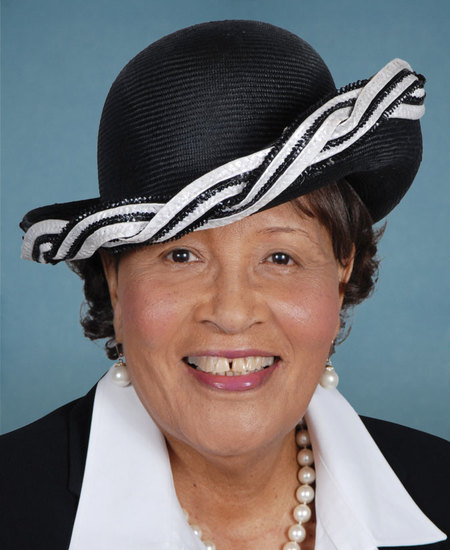
119th Congress Introduced by Alma Adams and 16 co-sponsors

Recognizes the Greensboro Four and sit-ins as nonviolent civil rights catalysts and urges inclusion of their history in state educational curricula.

Referred to the Committee on Education and Workforce, and in addition to the Committee on the Judiciary, for a period to be subsequently determined by the Speaker, in each case for consideration of such provisions as fall within the jurisdiction of the committee concerned.
0
WeVote Research Nonpartisan
Bill Summary · HRES 95

Summary: H.Res. 95 – Recognizing the Greensboro Four Sit-in

Status: Referred to the Committee on Education and Workforce, and in addition to the Committee on the Judiciary, for a period to be subsequently determined by the Speaker, in each case for consideration of provisions within that committee’s jurisdiction. Introduced February 4, 2025. Class: House Resolution (non-binding).

Overview

H.Res. 95 is a non-binding House resolution honoring the Greensboro Four for their role in the civil rights movement, highlighting the impact of sit-ins as a nonviolent method of protest, and encouraging educational curricula that reflect this history. The resolution emphasizes national diversity as a strength and calls on states to incorporate the Greensboro Four’s history and contributions into educational programs.

Key Provisions

The introduced text contains four main statements:
1) Recognition of the Greensboro Four for their contribution to the civil rights movement and their role in catalyzing college student mobilization, which helped coalesce the Student Non-Violent Coordinating Committee (SNCC).
2) Acknowledgment that ethnic and racial diversity enriches and strengthens the United States.
3) Affirmation of sit-ins as an ongoing, effective form of nonviolent resistance to spur positive social change.
4) Encouragement for all states to include in their educational curricula the history and contributions of the Greensboro Four.

Impact and Beneficiaries

  • Education stakeholders: school districts, state education agencies, and social studies curricula developers may look to incorporate or emphasize the Greensboro Four and sit-in history as part of Black History Month and broader civics education.
  • Students and the public: increased awareness of civil rights history, nonviolent protest strategies, and the formation of SNCC.
  • Civil rights education advocacy groups and historians: potential alignment with curricular resources and commemorative programs.

Procedural and Timeline Aspects

  • The bill is a House resolution (non-binding), not a statute or appropriation measure.
  • Introduced on February 4, 2025.
  • Referred to the House Committee on Education and Workforce, and in addition to the Committee on the Judiciary, for a period to be determined by the Speaker. The “period to be determined” language indicates no fixed review window at this time.

Sponsors

  • Primary Sponsor: Alma S. Adams
  • Cosponsors (selected): LaMonica McIver, Nikema Williams, Al Green, Valerie P. Foushee, Donald G. Davis, Glenn Ivey, Daniel S. Goldman, Henry C. "Hank" Johnson, Troy A. Carter, Eleanor Holmes Norton, Danny K. Davis, Rashida Tlaib, Deborah K. Ross, André Carson, Shontel M. Brown, Marc A. Veasey, and others.

Notes

As a non-binding resolution, H.Res. 95 expresses congressional recognition and policy preferences rather than creating enforceable duties or funding. Its practical impact would primarily be educational and symbolic, potentially influencing state curricula and public awareness of civil rights history.

Compiled from official sources — confirm details with the bill’s official record.

Sign in to ask a question.