

WeVote

Bill

Bill

HRES 1192

Recognizing the roles and the contributions of care workers in the United States and expressing support for the designation of April 2026 as "Care Worker Recognition Month".

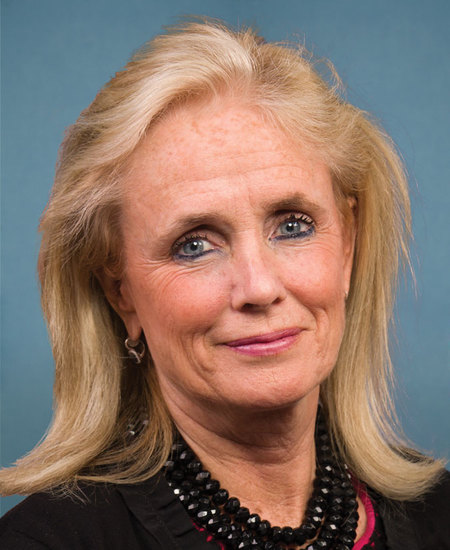
119th Congress Introduced by Debbie Dingell and 3 co-sponsors

Recognizes and honors home care and childcare workers and supports April 2026 as Care Worker Recognition Month to highlight their essential role and need for investment.

Submitted in House
0
WeVote Research Nonpartisan
Bill Summary · HRES 1192

Overview

  • Bill: H.Res. 1192 (119th Congress, 2nd Session)
  • Title: Recognizing the roles and the contributions of care workers in the United States and expressing support for the designation of April 2026 as “Care Worker Recognition Month.”
  • Purpose: A nonbinding House resolution to acknowledge the importance of care workers (including home care workers and childcare workers), highlight their contributions to individuals, families, and the economy, and designate April 2026 as Care Worker Recognition Month.

Main purpose and intent

  • Recognize and honor the essential roles of:
    • Home care workers who support older adults, people with disabilities, and others with chronic illnesses to live independently and with dignity.
    • Childcare/early educators who provide enriching environments for children’s development.
  • Emphasize that care work enables other caregivers to pursue education and workforce participation.
  • Promote the care profession as crucial to economic growth and workforce stability.
  • Acknowledge the economic value and societal benefits of investing in care infrastructure.

Key provisions and changes

  • Designation: Expresses support for designating April 2026 as Care Worker Recognition Month.
  • Recognition of roles:
    • Home care workers: Support daily living activities (eating, dressing, personal hygiene) and community participation; enable living at home.
    • Early educators/childcare workers: Provide foundational care and learning environments for children.
  • Economic and social impact statements:
    • Care work supports labor force participation and family economic stability.
    • Access to high-quality childcare and home-based care improves health and educational outcomes and long-term earnings.
    • Addressing low wages and poor working conditions is essential to reduce shortages and turnover.
    • Highlights the substantial unpaid caregiving value to the economy.
  • Rationale for investment:
    • Care infrastructure investment can reduce staffing shortages, improve productivity, and create a stable pipeline of workers.
    • Comparative cost note: home-based care is presented as more cost-effective than semi-private congregate settings ($80k/year per person in-home care vs. over $100k/year in some congregate settings).

Who is affected

  • Direct beneficiaries:
    • Older adults and people with disabilities receiving home- and community-based care.
    • Children and families benefiting from high-quality childcare and early education.
  • Direct workforce impact:
    • Current and prospective direct care workers (home care workers and childcare workers) who would benefit from greater recognition and a stronger case for investment in their profession.
  • Economically:
    • Families relying on care services.
    • Employers and businesses that depend on a stable care workforce.

Procedural and timeline aspects

  • Procedural path:
    • Introduced in the House and referred to:
    • Committee on Education and Workforce
    • Committee on Energy and Commerce
    • Referred for consideration of provisions falling within committee jurisdictions; timing to be determined by the Speaker.
  • Nature of bill:
    • Nonbinding resolution; expresses support and recognizes contributions rather than establishing new laws or funding authorizations.

Observations

  • The resolution foregrounds the value of care workers and the economic rationale for investing in care infrastructure.
  • It underscores gender dynamics (care work is predominantly performed by women) and the broader societal implications of caregiving on labor force participation and family economic security.
  • While aspirational and symbolic in nature, the resolution aligns with ongoing policy conversations about wages, retention, and expansion of home- and community-based care services.

If you’d like, I can add a brief comparison to similar prior resolutions or place this bill in the context of current care workforce policy debates.

Compiled from official sources — confirm details with the bill’s official record.

Sign in to ask a question.