

WeVote

Bill

Bill

HRES 1289

Recognizing the ongoing Nakba and Palestinian refugees' rights.

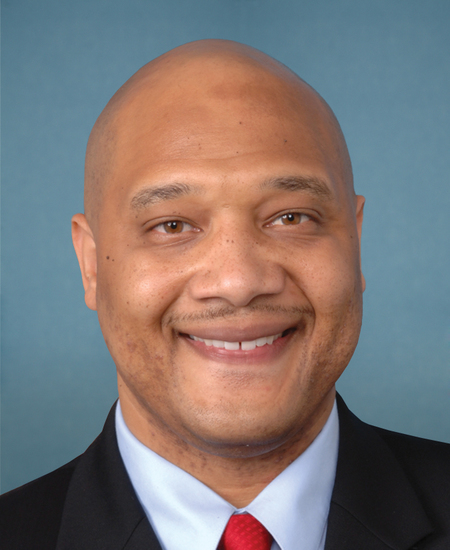
119th Congress Introduced by André Carson and 13 co-sponsors

Puts U.S. policy on record to support Palestinian refugees’ rights and UNRWA services, end U.S. weapons/diplomatic support for actions deemed part of the Nakba, and promote educati

Submitted in House
0
WeVote Research Nonpartisan
Bill Summary · HRES 1289

Overview

House Resolution 1289 (H. Res. 1289), introduced May 14, 2026, expresses the sense of the House of Representatives regarding the Palestinian Nakba and Palestinian refugees’ rights. The resolution commemorates the Nakba, denounces ongoing actions described as part of the Nakba, and outlines U.S. policy preferences intended to support Palestinian refugees and their rights. It has multiple co-sponsors and was referred to the House Committee on Foreign Affairs.

Main purpose and intent

  • Recognize and commemorate the Palestinian Nakba (the 1947-1949 exodus and dispossession of Palestinians) and the ongoing process described as the Nakba.
  • Affirm support for Palestinian refugees’ rights, including their right of return and compensation, as articulated in United Nations General Assembly Resolution 194 and related international law.
  • Call for U.S. policy changes to end complicity in actions described as undermining Palestinian rights, and to support education, public understanding, and delivery of refugee services.

Key provisions and changes

  • Official stance:
    • The United States should commemorate the Nakba through recognition and remembrance.
    • Denounce the ongoing Nakba and reject efforts to associate the U.S. with denial of the Nakba.
    • Encourage public education about the Nakba and its relevance to current refugee crises.
  • Refugee rights and services:
    • Support resumed provision of social services to Palestinian refugees through UNRWA (the United Nations Relief and Works Agency for Palestine Refugees in the Near East).
    • Support the implementation of Palestinian refugees’ rights as outlined in UN General Assembly Resolution 194 and in the Universal Declaration of Human Rights.
  • Humanizing language about Palestinians:
    • Emphasize Palestinians as a unique, fully human people.
    • Reject bigoted efforts to deny Palestinian humanity.
  • U.S. policy changes regarding aid and diplomacy:
    • End U.S. complicity in the Nakba by prohibiting U.S. weapons from being used to destroy Palestinian homes or displace Palestinians.
    • End U.S. diplomatic support for actions described as part of the Nakba.

Note: The resolution does not itself establish new laws or funding programs; rather, it states policy preferences and instructs appropriate committees on considerations of recognition, education, and alignment of U.S. weaponry and diplomacy with the stated goals.

Who/what would be affected

  • Palestinian refugees and their descendants (via reaffirmation of rights and support for UNRWA services).
  • U.S. foreign policy posture and military-diplomatic actions related to Israel and the Palestinian territories (referenced changes include restrictions on weapon use and reduction of diplomatic support for actions deemed part of the Nakba).
  • Public education and awareness initiatives related to the Nakba and Palestinian refugee issues (emphasis on education and public understanding).

Procedural and timeline aspects

  • Referral: The bill was referred to the House Committee on Foreign Affairs on May 14, 2026.
  • Status: As of introduction, the resolution is a non-binding expression of policy (a concurrent resolution in the House) and does not enact statutes or authorize new spending.
  • Legislative trajectory: Being a resolution, it serves to voice the sense of the House and could influence future legislation, oversight, or diplomacy, but it does not codify new compliance requirements or funding unless integrated into subsequent bills.

Additional context

  • The resolution cites historical events, UN resolutions, and international law to frame the right of return for Palestinian refugees and to characterize current and past conditions as part of the Nakba.
  • It references U.S. funding history to UNRWA and notes a suspension of U.S. funding in January 2024, using that context to argue for continued or renewed support.
  • The bill’s language includes specific emphasis on ending U.S. weapons use and diplomatic support for actions described as part of the Nakba.

Compiled from official sources — confirm details with the bill’s official record.

Sign in to ask a question.