

WeVote

Bill

Bill

HRES 1452

Recognizing the importance of independent living and economic self-sufficiency for individuals with disabilities made possible by the Americans with Disabilities Act of 1990 and calling for further action to strengthen and expand opportunities for individuals with disabilities to participate in work and community life.

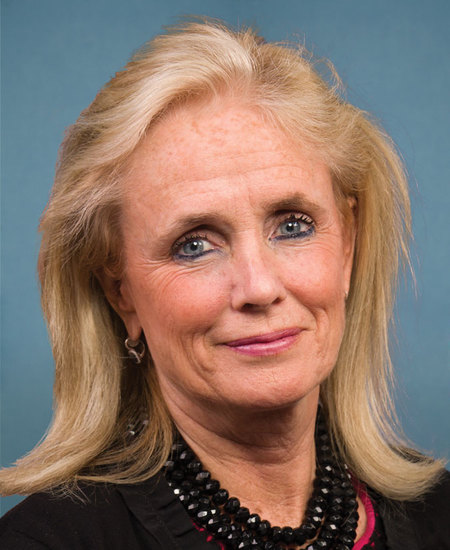
119th Congress Introduced by Debbie Dingell and 1 co-sponsor

The resolution urges bipartisan action to strengthen ADA-based independent living by expanding employment, accessible housing, transportation, and services for people with disabili

Submitted in House
0
WeVote Research Nonpartisan
Bill Summary · HRES 1452

Overview

  • Bill: H.Res. 1452
  • Session: 119th Congress, 2nd Session
  • Purpose: A House resolution recognizing the importance of independent living and economic self-sufficiency for individuals with disabilities as enabled by the Americans with Disabilities Act (ADA) of 1990, and urging further action to strengthen and expand opportunities for disability inclusion in work and community life.
  • Sponsors: Rep. Brian Fitzpatrick (primary) and Rep. Debbie Dingell (co-sponsor)

What the resolution does

  • Reaffirms the ADA as the foundation for independent living, equal opportunity, full participation, and economic self-sufficiency for people with disabilities.
  • Declares that, 36 years after the ADA and 27 years after Olmstead v. L.C., individuals with disabilities face systemic barriers in the labor market, poverty, high costs of living, inaccessible technology, and broader societal segregation.
  • Emphasizes that the ADA is a floor, not a ceiling, for ongoing efforts to remove barriers to inclusion.
  • Calls for bipartisan collaboration to identify and address remaining barriers, including those that keep people with disabilities segregated in institutions.

Key provisions and calls to action

The resolution makes several specific policy and coordination requests across federal agencies and programs. It asks the following:

  1. Home- and Community-Based Services

    • Work with states to improve access to home- and community-based services (HCBS) to boost employment opportunities.
  2. Department of Labor (DOL)

    • Develop policies and practices, and provide technical assistance to help individuals with disabilities achieve economic self-sufficiency.
  3. Office of Disability Employment Policy (ODEP), DOL

    • Coordinate with employers and all levels of government to expand and improve employment opportunities for people with disabilities.
  4. Federal Communications Commission (FCC)

    • Provide information, resources, and technical assistance to ensure full and equitable access to communications and telecommunications services and technologies.
  5. Department of Health and Human Services (HHS)

    • Provide information, resources, and technical assistance related to HCBS to support independent living.
  6. Department of Housing and Urban Development (HUD)

    • Promote accessible, inclusive housing and communities to expand options for individuals with disabilities.
  7. Department of Transportation (DOT)

    • Create accessible transit and airports, and increase hiring, promotion, and retention of individuals with disabilities in the transportation workforce.
  8. Federal Emergency Management Agency (FEMA)

    • Implement a whole-community approach to emergency preparedness that increases inclusivity and accessibility.

Who is affected

  • Individuals with disabilities seeking independent living, accessible employment, and full participation in community life.
  • People facing barriers in employment, healthcare access, housing, transportation, telecommunications, and emergency preparedness.
  • Employers, state governments, and multiple federal agencies involved in labor, health, housing, transportation, communications, and emergency management.

Procedural and timeline notes

  • The bill is a resolution, not a law, and does not itself mandate funding or new programs. Rather, it expresses the sense of the House and outlines recommended actions and interagency coordination priorities.
  • Referral: The resolution was referred to the Committee on Education and the Workforce, and in addition to several other committees (Transportation and Infrastructure; Judiciary; Energy and Commerce; Financial Services) for consideration of provisions within their jurisdiction.
  • Date of introduction: July 23, 2026.

Why this matters

  • Signals ongoing Congress-wide commitment to advancing ADA goals and addressing persistent disparities faced by people with disabilities.
  • Seeks to align multiple federal programs and agencies toward expanding employment opportunities, improving accessibility in technology and services, and ensuring inclusive housing, transportation, and emergency readiness.
  • Aims to move beyond the ADA’s protections toward proactive measures that promote independent living and economic self-sufficiency for all individuals with disabilities.

Compiled from official sources — confirm details with the bill’s official record.

Sign in to ask a question.