

WeVote

Bill

Bill

HRES 955

Recognizing the importance of a continued commitment to ending pediatric HIV/AIDS worldwide.

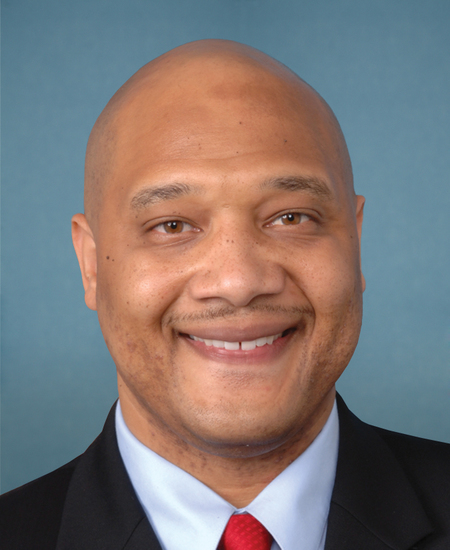
119th Congress Introduced by André Carson and 23 co-sponsors

Affirms bipartisan U.S. commitment to end pediatric HIV/AIDS globally, guiding ongoing support, partnerships, and policy priorities (no new funding).

Submitted in House
2
WeVote Research Nonpartisan
Bill Summary · HRES 955

Summary of HRES 955 — Recognizing the importance of a continued commitment to ending pediatric HIV/AIDS worldwide

Overview

  • Bill type: House Resolution (HRES 955)
  • Title: Recognizing the importance of a continued commitment to ending pediatric HIV/AIDS worldwide
  • Status: Submitted in the House on December 17, 2025
  • Purpose: A formal expression of policy priorities by the House of Representatives to reaffirm the U.S. commitment to reducing and ultimately ending pediatric HIV/AIDS globally.

Key purposes and intent

  • Declares the importance of sustained U.S. leadership and bipartisan support for efforts to prevent, diagnose, treat, and eliminate pediatric HIV/AIDS around the world.
  • Reaffirms a commitment to global health diplomacy and partnership with international organizations, host governments, non-governmental organizations, and U.S. agencies to address pediatric HIV/AIDS.
  • Signals continued support for U.S. foreign aid and public health programs aimed at improving outcomes for children affected by HIV/AIDS.

Provisions and provisions-like implications

  • As a resolution, it does not by itself create new law or authorize new funding. Instead, it:
    • Articulates congressional intent and priorities.
    • Encourages ongoing or renewed support for existing international programs and partnerships focused on pediatric HIV/AIDS.
    • Endorses strategic goals such as increasing access to prevention, testing, treatment, and care services for HIV-infected and exposed children.
  • May call for continued collaboration with relevant U.S. government agencies and international stakeholders to align policy and programmatic efforts.

Who/what is affected

  • Target audience: U.S. government (especially foreign affairs and health policy decision-makers), international health partners, and organizations implementing pediatric HIV/AIDS programs abroad.
  • Indirect effects: Establishes a policy framework that could influence funding decisions, diplomatic engagement, and the prioritization of pediatric HIV/AIDS within broader global health initiatives.

Procedural and timeline aspects

  • Introduced: December 17, 2025.
  • Referral:
    • Committee on Foreign Affairs
    • Additional referral to the Committee on Energy and Commerce
    • Referral to committees is "for consideration of such provisions as fall within the jurisdiction of the committee concerned."
  • Next steps: If advanced, the resolution would be brought before the House for debate and potential passage. As a resolution, any policy recommendations would reflect congressional sentiment rather than create enforceable obligations.

Potential impact

  • Signals bipartisan congressional support for pediatric HIV/AIDS initiatives and may influence future legislation, funding, and international collaboration.
  • Could help maintain or elevate the profile of pediatric HIV/AIDS programs in U.S. foreign policy and foreign aid planning.
  • Provides a formal mandate for continuous emphasis on pediatric health outcomes in HIV/AIDS efforts, potentially shaping interactions with global partners and recipients.

Notable considerations

  • The resolution does not specify new funding amounts or program details; any substantive changes would require separate legislation or appropriations.
  • The exact language may influence how aggressively Congress expects the executive branch to maintain or expand pediatric HIV/AIDS efforts.

Compiled from official sources — confirm details with the bill’s official record.

Sign in to ask a question.