

WeVote

Bill

Bill

HRES 1337

Recognizing the contributions of academic medicine and observing Academic Medicine Week from June 8 through 12, 2026.

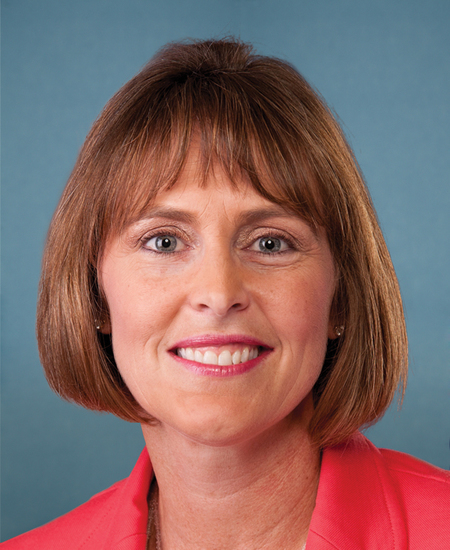
119th Congress Introduced by Kathy Castor and 1 co-sponsor

Designates Academic Medicine Week to recognize academic medicine’s core roles in education, research, patient care, and community health, urging sustained federal support.

Submitted in House
0
WeVote Research Nonpartisan
Bill Summary · HRES 1337

Summary of H.Res. 1337 (119th Congress, 2nd Session)

Purpose and intent

  • Designates a period as Academic Medicine Week (June 8–12, 2026) to recognize the contributions of academic medicine to medical research, clinical care, medical education, and community health nationwide.
  • Affirms the unique and critical impact of academic medicine on patient care and communities.
  • Encourages recognition by the public and calls for strong federal support for programs that sustain academic medicine’s leadership in research, care, education, and community partnerships.

Key provisions and changes

  • Designation: The resolution designates Academic Medicine Week for June 8–12, 2026.
  • Rationale statements:
    • Highlights the four missions of academic medicine: education/training of the healthcare workforce, conduct of medical research, delivery of advanced patient care, and collaboration with communities to improve public health.
    • Emphasizes the role of the Association of American Medical Colleges (AAMC) and its network of nearly 500 academic health systems, teaching hospitals, and 163 medical schools.
    • Notes the 150-year history of AAMC and its role as an advocate for academic medicine.
    • Cites the partnership with the Department of Veterans Affairs (VA) and the VA’s role in medical training.
    • Documents the economic impact of academic medicine on the U.S. economy (e.g., significant GDP contribution and job creation) and its importance in healthcare infrastructure, including metrics on charity care, inpatient days, and specialized centers.
    • Presents concerns about physician shortages and the need for strengthened graduate medical education (GME) funding, particularly to support care in rural and underserved areas.
    • Advocates continued support for HRSA Title VII health professions and Title VIII nursing workforce programs, emphasizing community outreach, scholarships, mentorship, and well-being initiatives.
    • Describes the broader benefits of academic medicine for patient outcomes, healthcare quality, and innovation.

Who or what would be affected

  • While the bill is a resolution (non-binding), it explicitly recognizes and highlights:
    • The role of medical schools, academic health systems, teaching hospitals, resident physicians, faculty, students, and researchers within academic medicine.
    • The AAMC and its member institutions as key stakeholders.
    • Federal programs related to health professions education and workforce development (HRSA Title VII and Title VIII programs) as critical supports to the academic medicine ecosystem.
  • Public awareness: Aims to shape public understanding and appreciation of academic medicine’s contributions.

Procedural and timeline aspects

  • The bill was introduced on June 3, 2026, by Rep. Castor (for herself and Rep. Fitzpatrick) and referred to the House Committee on Energy and Commerce.
  • As a House resolution (H.Res.), it does not amend statutes or create new programs; it expresses support and recognition and calls for continued federal backing.

Notable details

  • Cites specific figures on the scope and impact of academic medicine, including:
    • More than 210,000 full-time faculty, about 100,000 medical students, 162,000 resident physicians, and 60,000 postgraduates/researchers within AAMC institutions.
    • 60% of NIH extramural research conducted by AAMC-member institutions.
    • Economic impact figures from 2019: over $728 billion in GDP contribution and roughly 7.1 million jobs supported.
    • AAMC’s share of hospital-based charity care (32%), Medicare inpatient days (22%), Medicaid inpatient days (29%), and concentration of specialized centers (e.g., all NCI-designated cancer centers).
  • Emphasizes ongoing workforce challenges (physician demand growth outpacing supply) and the need for policy support to boost GME and rural/underserved area access.

If you’d like, I can condense this into a one-paragraph quick briefing or expand with potential policy implications for federal funding and workforce strategy.

Compiled from official sources — confirm details with the bill’s official record.

Sign in to ask a question.